Thinking about adding an accessory dwelling unit to your San Diego property? You are not alone. ADUs can support multigenerational living and create long-term rental income while adding flexibility to your home. In this guide, you will learn how San Diego approaches ADUs, what rules matter most, and how to plan your project with fewer surprises. Let’s dive in.
What an ADU is
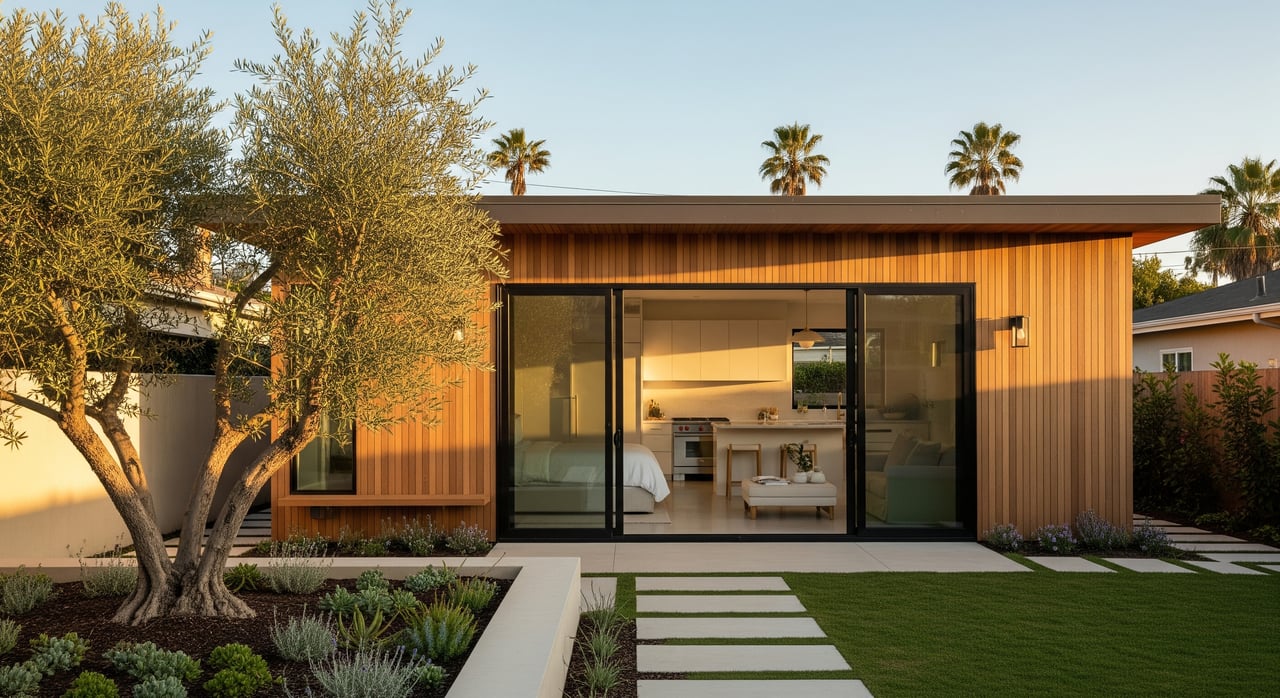
An accessory dwelling unit is a self-contained residential unit on the same lot as a primary home. It has its own kitchen, bathroom, and entrance. You can build new space, attach to your home, or convert existing areas like a garage.
Common ADU types
- Detached ADU: A new, separate structure in a side or rear yard.
- Attached ADU: Connected to the main house with a separate entrance.
- Conversion ADU: A repurposed space, such as a garage or attic, turned into a unit.
- Junior ADU (JADU): A small unit within the existing home footprint. State policy commonly caps JADUs at up to 500 square feet.
Can you build one on your lot?
In most San Diego residential zones, ADUs are allowed if you follow state and city rules. Many parcels do not have a minimum lot size requirement for ADUs, but setbacks, height, and lot coverage still apply. Converting existing space is often the simplest path because it can reduce utility and parking hurdles.
If your property is part of a homeowners’ association, review your CC&Rs and architectural guidelines. While state law limits outright bans, HOAs can regulate design and require approvals. Plan for that review early.
3 quick checks before you call a contractor
- Zoning basics: Confirm your parcel is in a residential zone that allows ADUs.
- Sewer vs. septic: Identify if you are on city sewer or septic, as this affects feasibility.
- HOA rules: If applicable, read CC&Rs and note design review steps and timelines.
Design rules to expect
San Diego’s Development Services Department enforces local size, height, setback, and lot coverage limits consistent with state law. Expect your ADU to meet California Building Code and local design standards. In historic areas, there may be added compatibility requirements.
For JADUs, the typical statewide cap is 500 square feet. Detached and attached ADU size maximums are set locally within state limits, so confirm the current thresholds before finalizing your design.
Parking: when it is required
California law limits when cities can require new parking for ADUs. In many cases, you will not need to add parking if the ADU is near public transit or if you convert an existing space like a garage. Some situations still allow a local parking requirement, so verify your parcel’s specifics before submitting plans.
If you remove required covered parking to create an ADU, the city may have rules on replacement or alternative compliance. Plan this early so layout decisions do not trigger redesigns.
Utilities and hookups
Plan your water, sewer, electrical, and gas strategy from the start. The City of San Diego Public Utilities oversees water and sewer connections, which may include inspections or connection and capacity fees. If your lot is on septic, County health rules will determine capacity and any needed upgrades.
San Diego Gas & Electric handles electric and gas service. Adding an ADU may require a panel upgrade, trenching, or a new meter. Submetering versus separate meters will affect billing and tenant arrangements. Utility work can be a major cost driver, so build in time and budget for coordination.
Practical tip: Converting existing serviced space, such as a garage, often simplifies utility hookups and reduces costs.
Permits, fees, and timing
Most compliant ADU projects are reviewed and approved ministerially without a public hearing. You will likely need a building permit plus related plumbing, electrical, and mechanical permits. Zoning checks cover setbacks, height, lot coverage, and any applicable design standards.
State law sets deadlines for the city to act on a complete ADU application. In practice, straightforward projects can move from application to permit in a few months, depending on plan-check volume and complexity. Expect multiple rounds of comments and inspections, and plan extra time for design and utility coordination.
Typical fees may include plan-check and building permit fees, inspection fees, and utility connection or capacity charges. Some impact fees can be reduced or waived for smaller ADUs, depending on local policy and unit size. Verify current fee schedules before finalizing your budget.
HOAs, financing, and taxes
If you are in an HOA, include architectural review in your timeline. HOAs often focus on exterior appearance, materials, privacy, and parking. Because state law and CC&Rs can interact in complex ways, consider getting legal guidance if you see conflicting language.
Financing options include cash-out refinance, home equity loans or HELOCs, and construction or renovation loans. Your return depends on build cost, achievable rent, occupancy, and local rental rules.
Expect your assessed value to change after you add an ADU. Property tax impacts vary by the scope of improvements. Rental income is taxable, and you should track expenses and depreciation. If you plan to use the ADU as a short-term rental, San Diego has specific rules and registrations that may apply. Confirm the latest policy before listing.
Next steps and local resources
- Start with feasibility: Check zoning, setbacks, and easements for your parcel. Identify if you are on sewer or septic.
- Engage early with utilities: Contact SDG&E and City Public Utilities about meters, service upgrades, and estimated fees.
- Use city intake resources: The City of San Diego’s Development Services often provides checklists or pre-application consultations to flag issues early.
- Build the right team: Hire an ADU-experienced architect or designer, a structural engineer if needed, and a contractor who knows local permitting. If you have an HOA, map out approval steps in advance.
When you are ready to take the next step, connect with a local team that understands neighborhood context, permitting realities, and vendor coordination.
If you want a clear plan for your ADU project, reach out to Shay Realtors® for local guidance, coordination support, and introductions to trusted pros. We will help you set a realistic budget and timeline so you can move forward with confidence. Talk to a local expert today at Shay Realtors®.
FAQs
Can I build an ADU on my San Diego residential lot?
- In most cases, yes, if your project complies with state and city rules and your site meets setbacks, height, lot coverage, and any HOA requirements.
Do I have to live in the main home to add an ADU?
- State law has largely removed owner-occupancy requirements for many ADUs, but confirm your project’s details and any local exceptions.
How large can my ADU be under San Diego rules?
- JADUs are commonly capped at 500 square feet under state policy, while detached or attached ADU limits are set locally within state law; confirm current city maximums before design.
Will I need to add parking for an ADU in San Diego?
- Often no, especially if you are near public transit or converting existing space, but you should verify parcel-specific parking rules with the city.
How long does the ADU permit process take in San Diego?
- For a complete, ministerial application, many projects reach permit in a few months, though complex designs or variances can add significant time.
What utility costs should I expect for an ADU?
- Plan for possible water and sewer connection or capacity fees and for electric panel upgrades, trenching, or new meters; early coordination with providers is essential.