
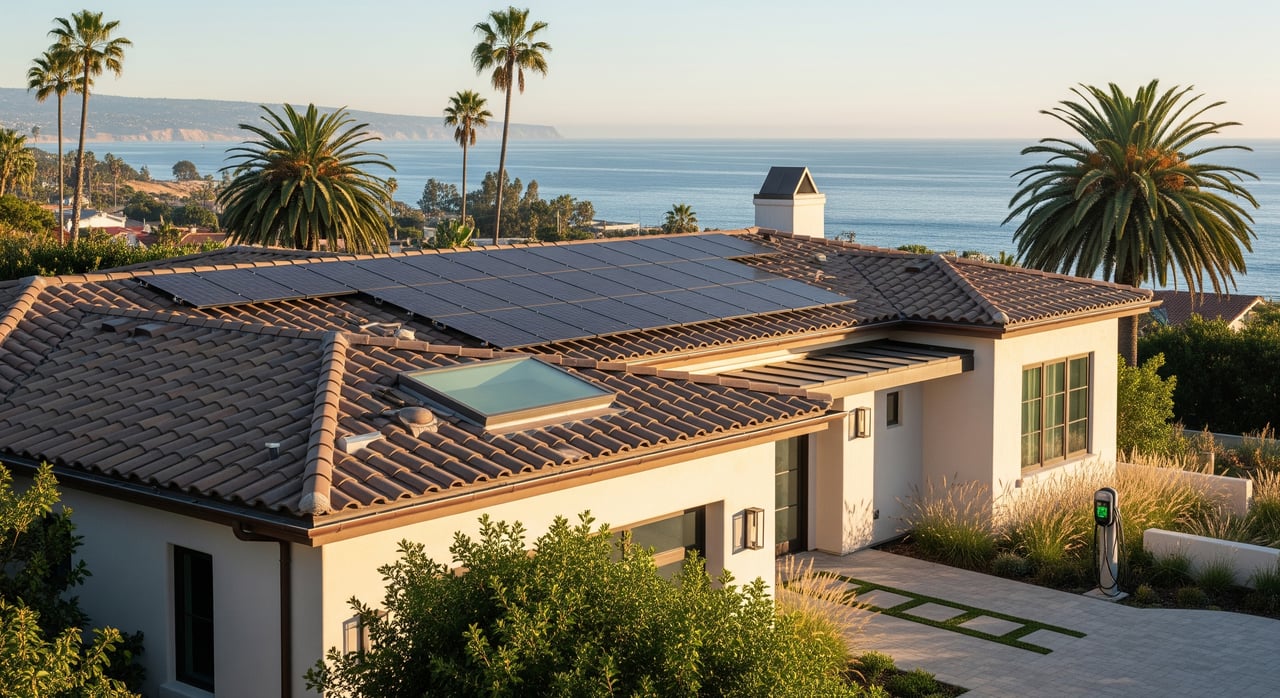
Thinking about selling your San Diego home with solar panels? You’re not alone. Solar is a smart investment here, but the sale can be smoother or more complicated depending on how your system is set up and how your utility account is structured. This guide shows you what to expect with SDG&E, how ownership type affects your options, and which documents to gather so you can avoid surprises and protect your bottom line. Let’s dive in.
San Diego solar basics
San Diego Gas & Electric (SDG&E) manages interconnection approvals, billing, and net energy metering for local homes with rooftop solar. State policy is set by the California Public Utilities Commission (CPUC). California recently moved from NEM 2.0 to a successor tariff often called NEM 3.0. The change rolled out in late 2022 and 2023 for new interconnections.
If your system was interconnected under the older rules, you may be “grandfathered” on more favorable export credits. If it interconnected after the change, your credits likely follow the newer structure. This difference can affect perceived value, buyer expectations, and how you present the system during your sale.
Owned vs. leased: why it matters
Your transfer path depends on who owns the panels and equipment. Start by confirming the exact ownership status and whether any loans or contracts are in place.
Owned systems
When you own the system outright, it is usually treated like a home fixture and transfers with the property. If you financed the system, any outstanding solar loan is typically paid off through escrow and the lien is released at closing. Provide production history so buyers and appraisers can see energy savings and remaining useful life. Buyers inherit the asset and potential savings, but they do not inherit past tax credits claimed by the original owner.
Leased or PPA systems
With leases and power purchase agreements (PPAs), a third party owns the panels. Most contracts allow a buyer to assume the agreement if they qualify with the lessor. If the buyer cannot or will not assume, you may need to buy out the contract, arrange removal, or work out another solution with the solar company. Lease or PPA payments can be treated as recurring debt by mortgage underwriters, so buyers should disclose the obligation to their lender early.
Community or subscription programs
Some households enroll in community or subscription-based solar without panels on the roof. Those programs transfer by assigning or terminating the subscription. If your SDG&E bill shows community solar credits, address those separately in your disclosures and offer documents.
Steps for owned systems
Follow these steps to keep your escrow on track:
- Confirm ownership and liens
- Pull your title report to check for any solar-related lien or separate security instrument.
- Find purchase documents, warranties, and any loan payoff contact information.
- Gather technical and performance documents
- System size in kW, inverter model, warranty status, age and install date.
- Interconnection approval or Permission to Operate (PTO) from SDG&E.
- Production records and recent SDG&E bills for the last 12 to 24 months.
- Coordinate loan payoff through escrow
- Provide a current payoff letter if the system is financed.
- Escrow will handle payoff and lien release at closing.
- Support appraisal and buyer diligence
- Share production data and maintenance history to support valuation.
- Complete required seller disclosures and attach relevant solar documents.
- Plan the post-closing utility setup
- The buyer will set up their SDG&E account after closing.
- If your system is grandfathered under older net-metering terms, provide documentation so the buyer understands the status.
Steps for leases and PPAs
Timing and transparency are essential with third-party owned systems. Here is the typical process:
- Flag early in your listing
- State clearly that the system is a lease or PPA and note any transfer requirements.
- Contact the lessor early
- Request the buyer assumption process and timeline, transfer fees, any buyout amount, and removal costs.
- Ask for the lessor’s escrow contact and a checklist of required forms.
- Share documents with all parties
- Provide the full lease or PPA, assumption forms, maintenance obligations, and production history to the buyer, lender, and escrow.
- If the buyer will not assume
- Arrange a buyout or schedule removal before close.
- Expect possible permit updates, roof repairs, and reinspection if removal is required.
- Coordinate with the lender
- Buyers should disclose the lease early since some lenders count the payment in debt-to-income ratios.
- Build in enough time for buyer qualification and lessor approval.
SDG&E interconnection and account details
Every solar sale in San Diego should include a clean handoff of interconnection documents and recent bills. Typical items include:
- PTO or final interconnection letter from SDG&E
- Net energy metering and any grandfathering paperwork, if applicable
- Production statements and recent SDG&E bills showing generation and credits
Installers usually facilitate the original interconnection. After closing, the buyer sets up the SDG&E account and confirms billing and credit details. If something was left unfinished by the installer, SDG&E may ask for additional forms when the account changes.
Disclosures, lenders, and appraisal
You must disclose material facts about the solar system in California. This includes whether it is owned or third-party owned, the presence of any loan or lien, and key contract terms. Include copies of the solar contract or lease, warranties, interconnection records, and any maintenance agreements in your disclosure package.
For mortgage underwriting, lease or PPA payments are often treated as recurring debt. Conventional and government-backed programs have their own rules, so buyers should discuss solar obligations with their loan officer early. Undisclosed lease payments can complicate loan approval late in escrow.
Appraisers may include owner-owned systems in property value when documentation supports remaining useful life and energy savings. Leased systems generally do not add to appraised value because the homeowner does not own the asset, and the payment may be viewed as a liability. Providing strong production history improves valuation support.
Pre-listing checklist for sellers
Gather these items before you go on the market:
- Confirm ownership: owned vs. leased or PPA.
- Purchase or lease/PPA agreement and any amendments.
- Interconnection agreement and Permission to Operate (PTO).
- SDG&E bills and production data for the last 12 to 24 months.
- Manufacturer and installer warranties, plus maintenance or repair records.
- Loan payoff contact info if the system is financed.
- If leased or PPA: the buyer assumption process, timeline, transfer fees, and current buyout quote.
- Permit records and roof condition details, including roof age and any warranty.
During marketing and escrow
Set expectations early and keep everyone informed:
- In your listing, state if the system is owned or leased and whether older net-metering terms apply.
- Prepare a complete solar packet for buyers, agents, and the loan officer.
- Coordinate with the lessor, installer, SDG&E, escrow, and title. Confirm any payoff or assignment forms.
- Allow additional time in contingency periods if a lease assumption or buyout is required.
Troubleshooting common scenarios
Buyer does not qualify to assume a lease
- Request a current buyout amount and decide whether to buy out or remove the system before closing.
Lender asks for more documentation
- Provide PTO, system specs, and production logs promptly. This often resolves underwriting questions.
Appraisal misses expected value
- Share production records, maintenance history, and relevant comparable sales. Ask your lender about reconsideration options.
Local tips for North County sellers
If you are selling in neighborhoods like 4S Ranch, Del Sur, Rancho Peñasquitos, Carmel Valley, or nearby coastal communities, plan your solar story the same way you plan staging and photography. Make it easy for buyers to understand the system’s benefits with a clear packet and practical guidance on billing. If your system is on older net-metering terms, highlight that status with documentation so buyers can see the potential long-term value.
Work with a trusted local team
Transferring solar the right way comes down to clarity, documents, and timing. When you prepare early, you reduce friction in escrow and help buyers feel confident about assuming your energy setup. If you want hands-on coordination with lessors, installers, escrow, and SDG&E, partner with a team that treats solar like a key feature, not an afterthought. Connect with Shay Realtors® to plan your sale, streamline your solar transfer, and present your home at its best.
FAQs
Can a buyer refuse to assume a solar lease?
- Yes. The seller must resolve the lease through a buyout, removal, or another agreement with the lessor. Unresolved lease issues can delay or cancel closings.
Do solar leases affect mortgage approval?
- They can. Many lenders treat lease payments as recurring debt, so buyers should disclose the obligation early and confirm how it affects debt-to-income ratios.
Will solar show up in my appraisal?
- Owned systems may add value when documentation supports remaining life and savings. Leased systems generally do not add value and may be viewed as a liability.
Who pays for roof work under panels?
- Usually the property owner. If panels must be removed for roof work, removal and reinstallation costs may apply. Check your warranties and contractor terms.
What happens with SDG&E after closing?
- The buyer sets up their SDG&E account and continues with net metering if the system remains active. Provide PTO and any grandfathering documents so the buyer understands the billing setup.