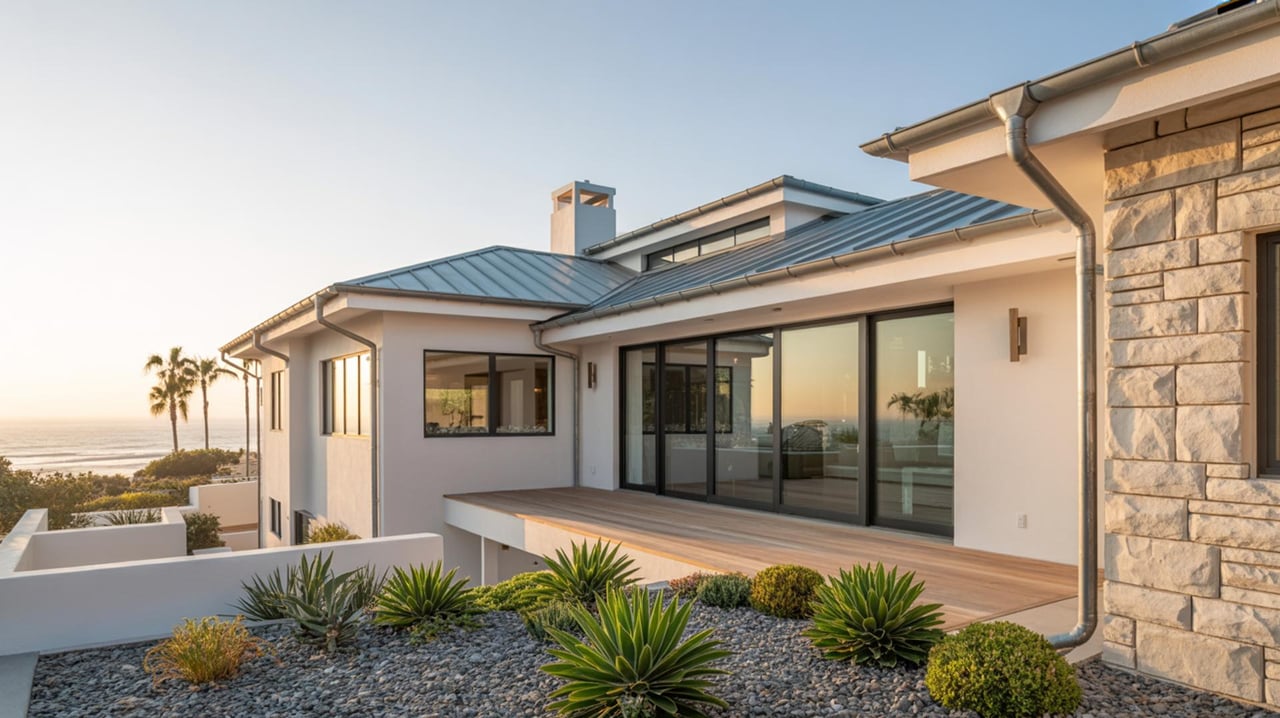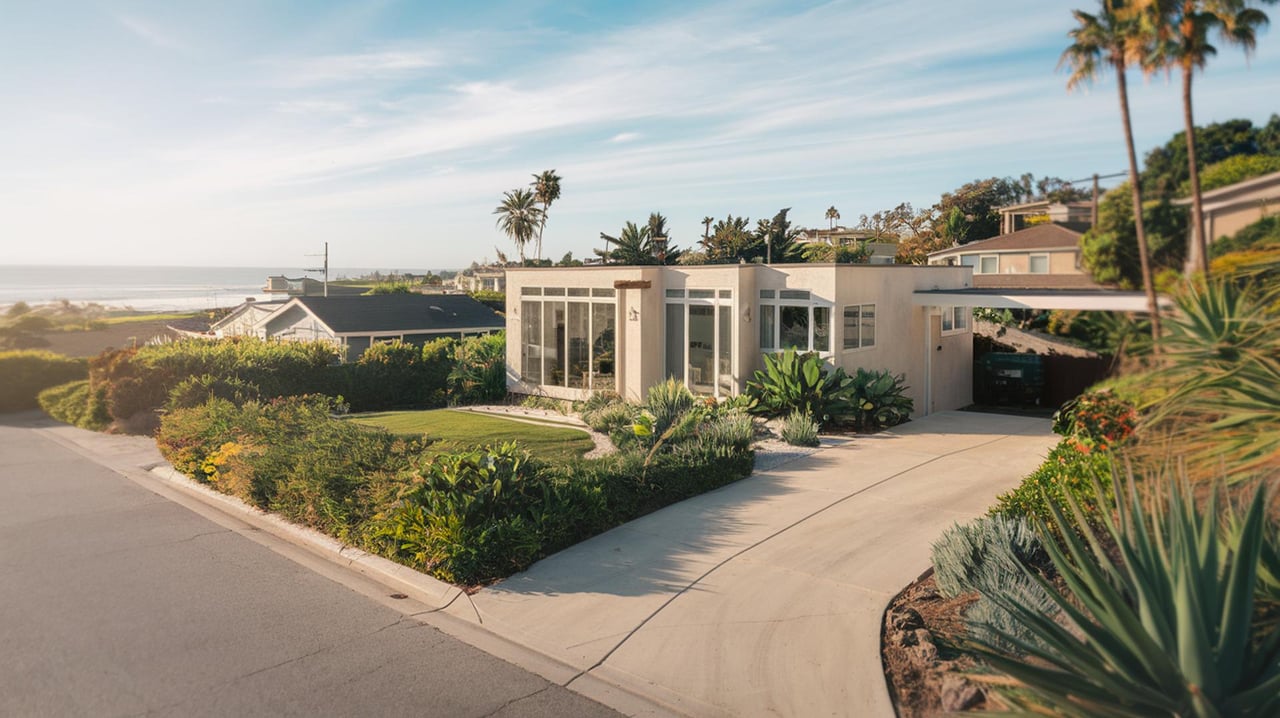

Buying in Carmel Valley often means shopping above the standard loan limits. If you are eyeing a move-up home, a ranch-style property, or a home with acreage, you may need jumbo financing to compete. It can feel complex, especially when you hear about extra documentation, larger reserves, and stricter appraisals. Here is the good news: once you understand the basics, you can plan with confidence and write stronger offers.
In this guide, you will learn how jumbo loans work, what lenders look for, and how to prepare in the Carmel Valley market. You will also see practical steps to make your financing an asset in negotiations. Let’s dive in.
What is a jumbo loan
A jumbo loan is a mortgage that exceeds the county-level conforming loan limit set each year by the Federal Housing Finance Agency. Conforming loans can be purchased by Fannie Mae or Freddie Mac, but loans above the county limit are considered non-conforming or jumbo. That means underwriting standards, documentation, and reserve requirements can be different.
To see if your loan is jumbo in Monterey County, compare your loan amount to the current conforming limit for the county. If your requested loan amount is above that limit, you are in jumbo territory. Because limits update annually, confirm the latest number before you shop or write offers.
Carmel Valley market snapshot for jumbos
Carmel Valley includes a mix of move-up homes and higher-end estates. Prices for many well-located single-family homes can push loan amounts above conforming limits, especially if you are putting less than 20 percent down. As a result, jumbo financing is common for buyers targeting premium locations or larger lots.
Unique property features can also affect financing. Homes with acreage, custom upgrades, or wide views can be harder to appraise due to limited comparable sales. Lenders pay close attention to well and septic systems, access roads, unpermitted work, and HOA dues or special assessments. These details can influence both the appraisal and your final loan terms.
When you might need jumbo financing
You will likely cross into jumbo if:
- You plan to borrow more than the current Monterey County conforming limit.
- You are purchasing a second home or larger property with a lower down payment.
- Your target home has unique characteristics that place it in a higher price band.
If you are unsure, run the numbers early. A quick scenario with a lender can confirm whether your budget requires conforming or jumbo terms.
Jumbo underwriting basics
Credit and income
Jumbo lenders usually expect stronger credit. Many look for scores around 700 to 760 or higher, depending on your loan-to-value ratio. Lenders also evaluate your debt-to-income ratio, often preferring totals in the low to mid 40 percent range. If you are self-employed, expect closer review of income stability.
Down payment and LTV
For primary homes, common jumbo structures land at or below 80 percent loan-to-value. Well-qualified buyers may see programs that allow 10 to 20 percent down. For second homes and investment properties, higher down payments are typical, often 25 to 30 percent or more. Gift funds may be allowed, but each lender sets its own rules.
Cash reserves
Jumbo loans often require larger reserves. Plan for 6 to 12 months of mortgage principal, interest, taxes, and insurance in liquid or near-liquid assets after closing. Higher loan-to-value ratios, second homes, or complex income can push reserve expectations higher.
Documentation checklist
Be ready to provide clear, complete documentation. A strong file speeds underwriting and can help with a faster close.
- Two years of federal tax returns
- W-2s and recent pay stubs if salaried
- For self-employed: two years of returns and a year-to-date profit and loss; some lenders request 12 to 24 months of bank statements
- Bank and investment statements showing sourced and seasoned funds
- Statements verifying required reserves after down payment and closing costs
- Government ID and proof of residence history
- A full appraisal, with possible reviews for unique properties
Appraisals in Carmel Valley
Appraisals play a central role in jumbo financing, and local property features add complexity. Acreage, custom layouts, and unique view corridors can reduce the number of close comparable sales. If comps are limited, the appraised value may rely on wider geographic or time ranges, which can affect your loan-to-value calculation.
Lenders also consider specific property systems and location factors. Well and septic systems require proper documentation. Remote access or private roads may need easement verification. In some areas, wildfire or seismic risk disclosures are part of due diligence. HOA dues and any Mello-Roos or special assessments can influence your qualifying ratios.
Plan for supplemental property taxes after you close. Monterey County assessments adjust based on your purchase price, and buyers should budget for potential supplemental tax bills in the first year. Build these numbers into your monthly planning as you set offer terms.
Rates, lender types, and timing
Where rates stand
Jumbo rates tend to move with overall mortgage rates but can price slightly above or near conforming levels. The exact spread depends on your credit profile, loan size, loan-to-value, and investor appetite for large loans. In some markets, jumbo pricing aligns closely with conforming; in tighter markets, the gap can widen.
Lender options
- National lenders offer consistent pricing and underwriting. They may be less flexible on unusual property types.
- Portfolio lenders and private banks can be more flexible for high net worth clients, complex assets, or non-standard income. Pricing and transparency vary.
- Mortgage brokers can shop multiple jumbo programs and may find options tailored to your profile.
Selecting the right lender early helps you match timelines and appraisal expectations for Carmel Valley properties.
Closing timelines
Many jumbo loans close in 30 to 60 days. Turn times improve when your documentation is complete and your lender underwrites your file before you make offers. Portfolio lenders sometimes close faster, but every case depends on appraisal scheduling and file complexity.
Make a stronger jumbo offer
Go beyond preapproval
A standard preapproval is helpful, but a fully underwritten preapproval or a conditional commitment letter carries more weight. That means an underwriter has reviewed your income and assets before you write the offer. Sellers see this as a stronger signal of your ability to close.
Show funds and reserves
For jumbo offers, sellers often request proof of down payment and reserves. Keep recent statements ready, and confirm with your lender how they will verify funds without delaying your timelines. Clean, organized documentation builds confidence.
Prepare for appraisal gaps
If you plan an aggressive offer, talk with your lender about an appraisal gap strategy. You can agree to cover a shortfall between the appraised value and purchase price up to a set amount. Confirm that your loan still works at the lower appraised value and that your cash-to-close and reserves remain adequate.
Consider bridge options
If you need to sell before you buy, explore temporary financing alternatives. Some buyers use bridge loans or a stand-alone arrangement to remove a home sale contingency. The right structure helps you compete while managing risk.
Align your team
Coordinate early with your agent, lender, escrow, and title. Carmel Valley transactions can involve easements, acreage, or system inspections that need extra time. Clear communication keeps your closing on track and reduces the chance of last-minute surprises.
Ready-to-apply checklist
Use this quick checklist to prepare for a smooth jumbo approval:
- Credit: pull your reports, address errors, and track scores
- Budget: map your target price, down payment, and reserve plan
- Income docs: two years of returns; W-2s or business financials
- Assets: two to three months of bank and investment statements
- Property costs: estimate taxes, insurance, HOA dues, and any special assessments
- Appraisal prep: discuss potential comps and appraisal risk with your lender
- Rate strategy: clarify lock options and how to handle volatility
- Timeline: align closing dates, contingency periods, and appraisal scheduling
Next steps
Jumbo loans do not have to slow you down. With the right lender fit, full documentation, and a plan for appraisals and reserves, you can structure a competitive offer that works for your goals in Carmel Valley. Talk through your budget and timeline early so your financing supports your negotiation strategy.
If you want a clear plan to compete on a Carmel Valley home, reach out to Shay Realtors®. We will help you align search, pricing, and offer terms so you can move forward with confidence.
FAQs
How much down payment for a jumbo in Carmel Valley?
- Expect 10 to 25 percent for many primary residences with strong credit. Second homes and investment properties often require 25 to 30 percent or more.
Are jumbo rates higher than conforming rates?
- Not always. Jumbo rates can be close to conforming pricing, and the spread changes with market liquidity, loan structure, and your profile.
How fast can a jumbo loan close in Monterey County?
- Many close in 30 to 60 days. Well-prepared borrowers and portfolio lenders can sometimes close faster, depending on appraisal timing.
What reserves do jumbo lenders require?
- Often 6 to 12 months of principal, interest, taxes, and insurance in verified liquid assets after closing. Higher LTVs or second homes may need more.
Can self-employed buyers qualify for a jumbo?
- Yes. Expect stricter documentation such as tax returns, year-to-date profit and loss, and possibly 12 to 24 months of bank statements.
Are there property-specific issues in Carmel Valley for jumbos?
- Appraisal comps can be limited for acreage and custom homes. Lenders also review well and septic, access, HOA dues, and any special assessments.