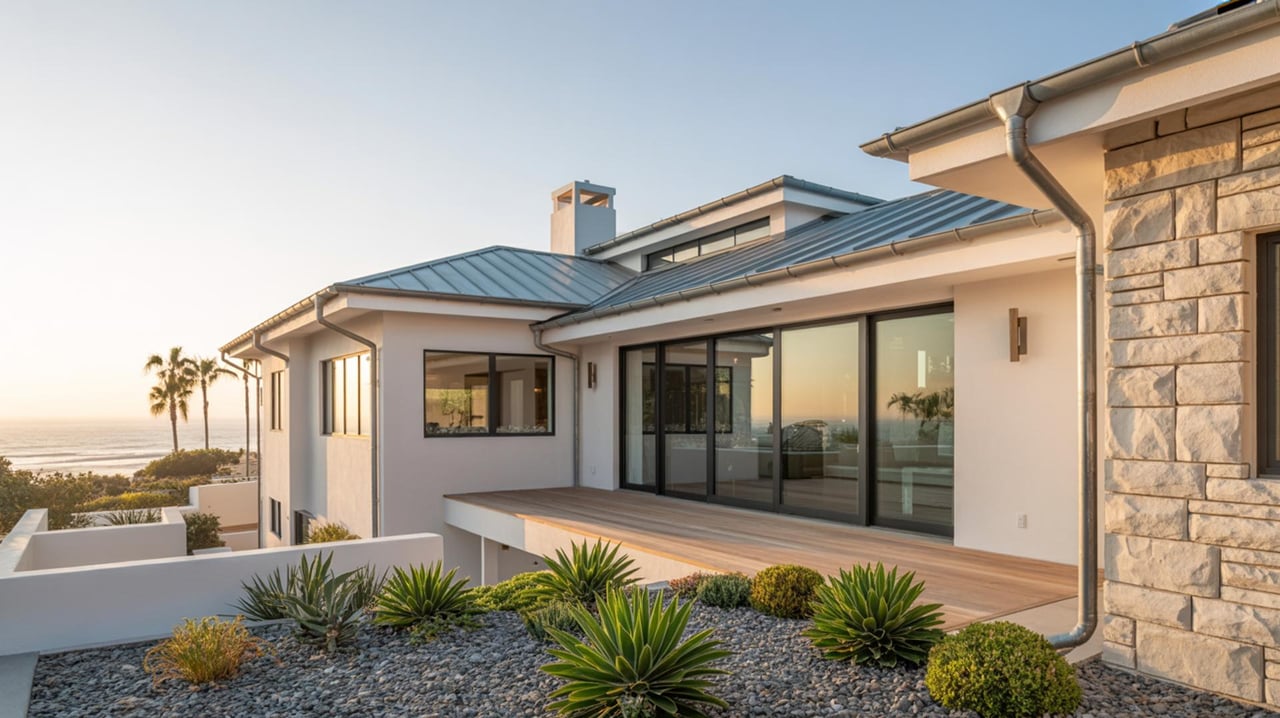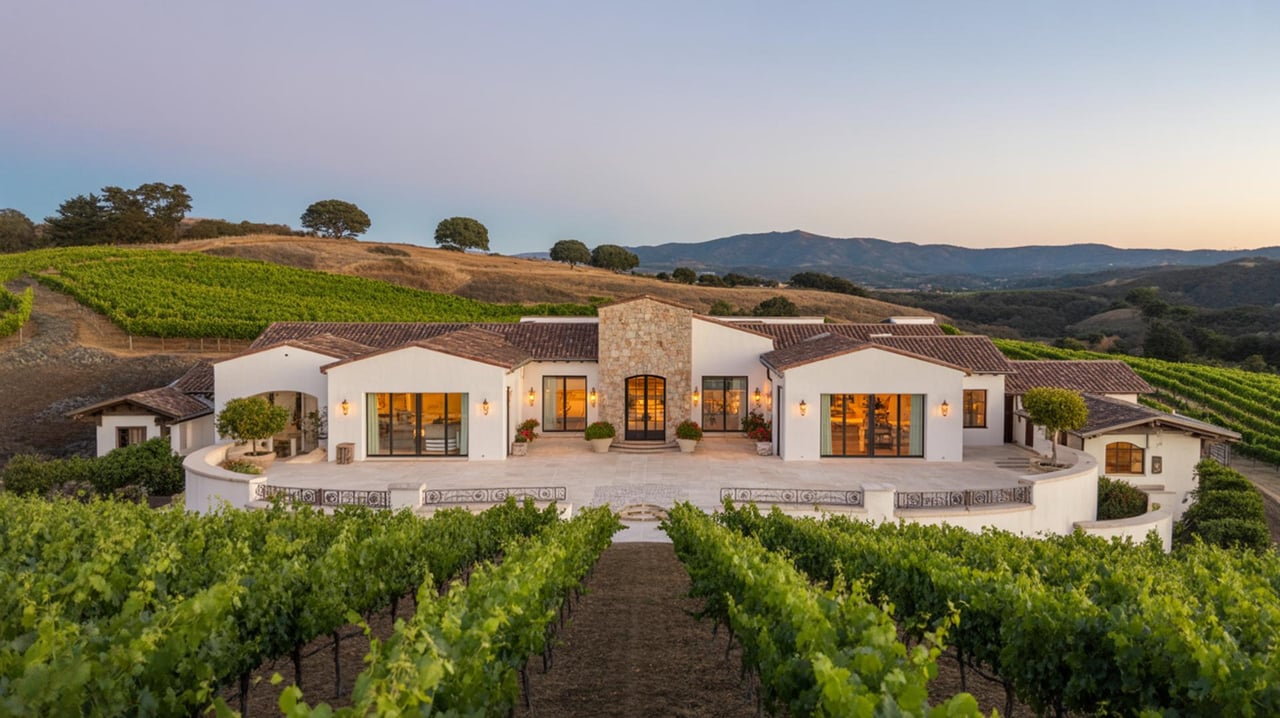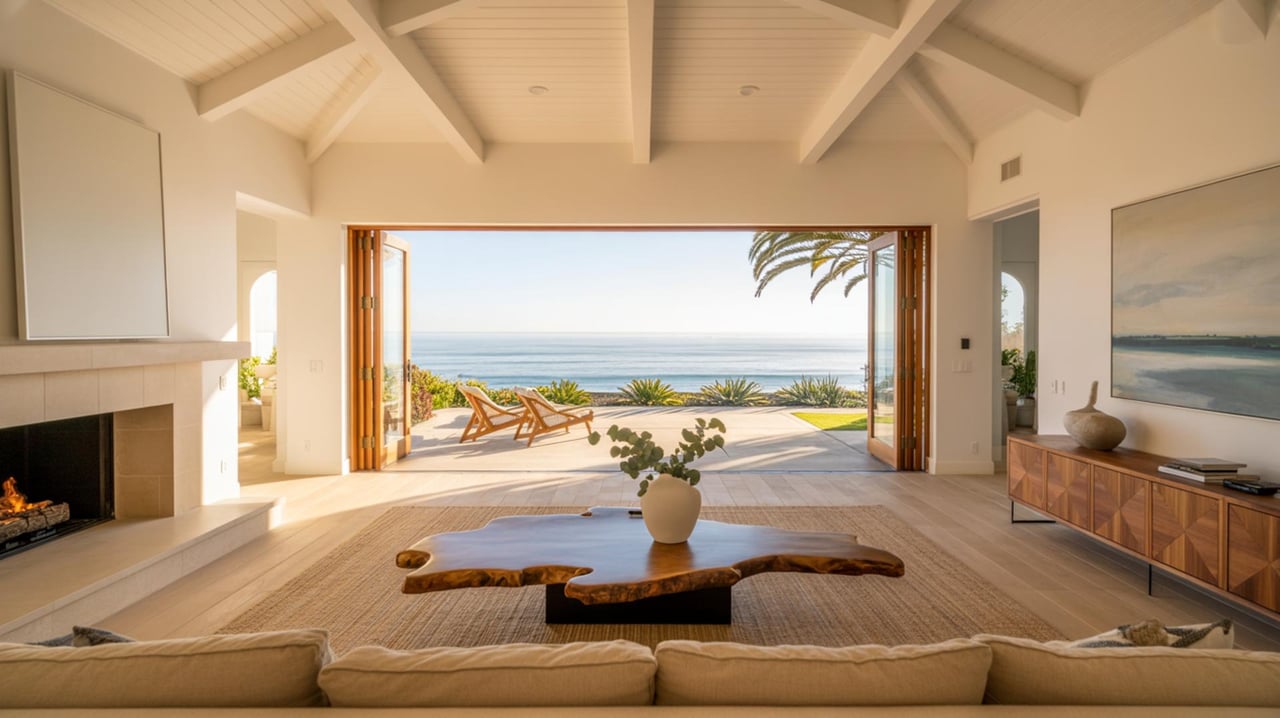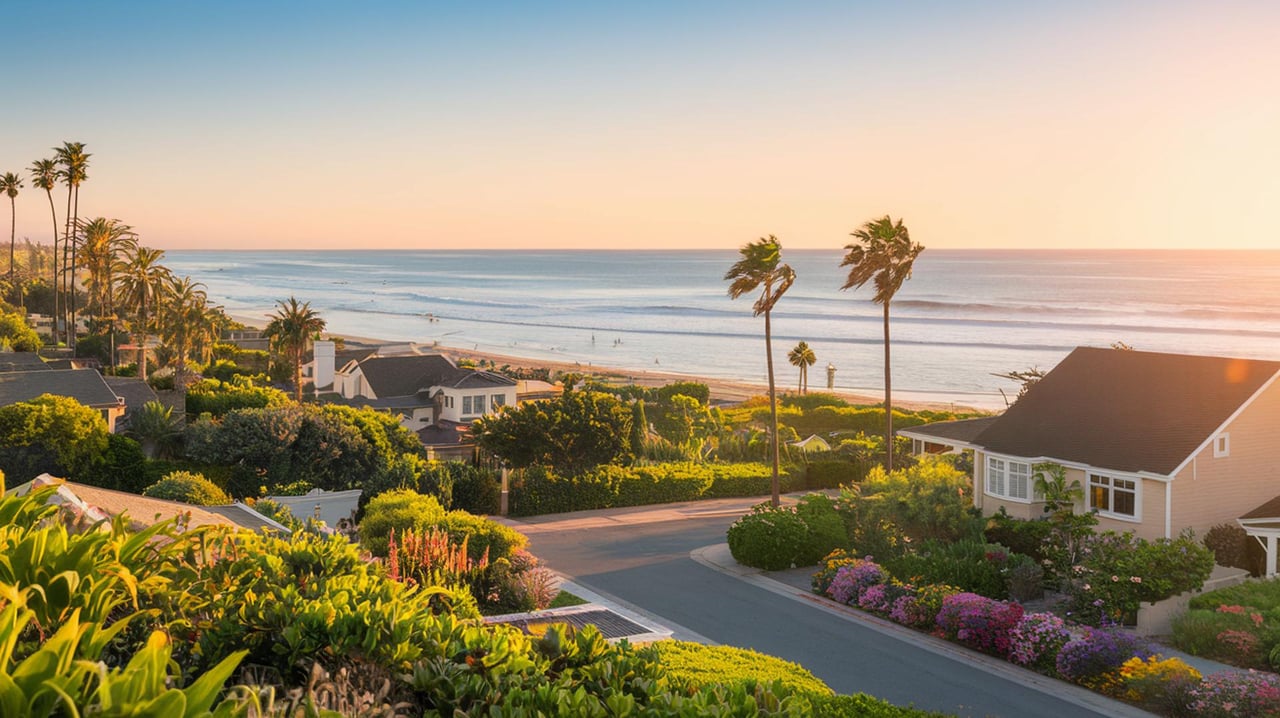
Thinking about a move to Carmel Valley? If you are relocating from another part of San Diego or from out of the area entirely, this community can be appealing for a simple reason: it offers a planned layout, everyday convenience, and access to major job centers in one of North Coastal San Diego’s most connected locations. The key is understanding how Carmel Valley is structured, what daily life looks like, and how one address can feel very different from another. This guide will help you get oriented so you can narrow your search with more confidence. Let’s dive in.
Carmel Valley at a Glance
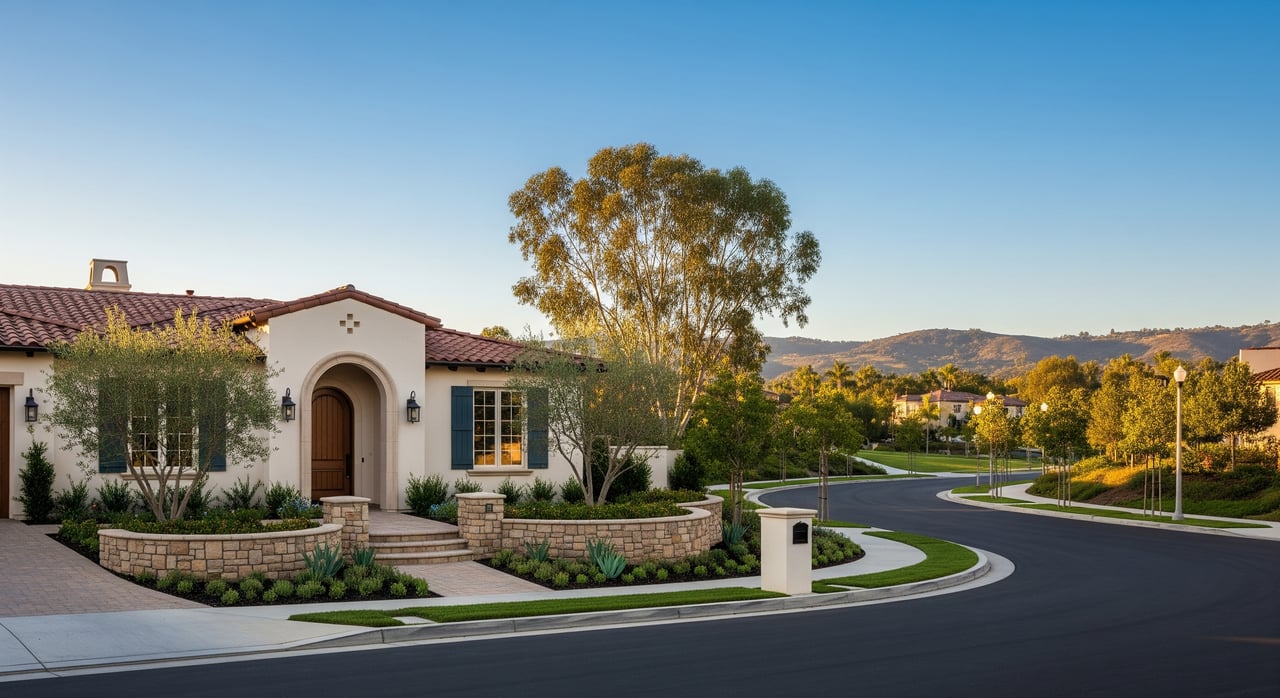
Carmel Valley is a master-planned community in San Diego along the Interstate 5 corridor. According to the City of San Diego’s community plan overview, the plan was adopted in 1975, the first homes were built in 1983, and the area was designed around an urban core with lower-density housing and preserved open space around it.
That planning history matters when you are relocating. Carmel Valley often feels more structured and newer than many older coastal neighborhoods because it was designed as a full community, not built out one small subdivision at a time. You will find residential neighborhoods, shopping and dining hubs, office space, parks, trails, civic facilities, and open-space areas all working together.
How Carmel Valley Is Organized
One of the most helpful things to know as a buyer is that Carmel Valley functions more like a district than a single neighborhood. It has a defined commercial core, multiple residential pockets, and open-space edges that shape how different parts of the community feel.
This means your experience can vary based on where you focus your search. Some areas are closer to retail, dining, and mixed-use activity, while others feel more residential and tucked away. If you are relocating, this is one reason why touring the area with a local guide can be so valuable.
Housing Types in Carmel Valley
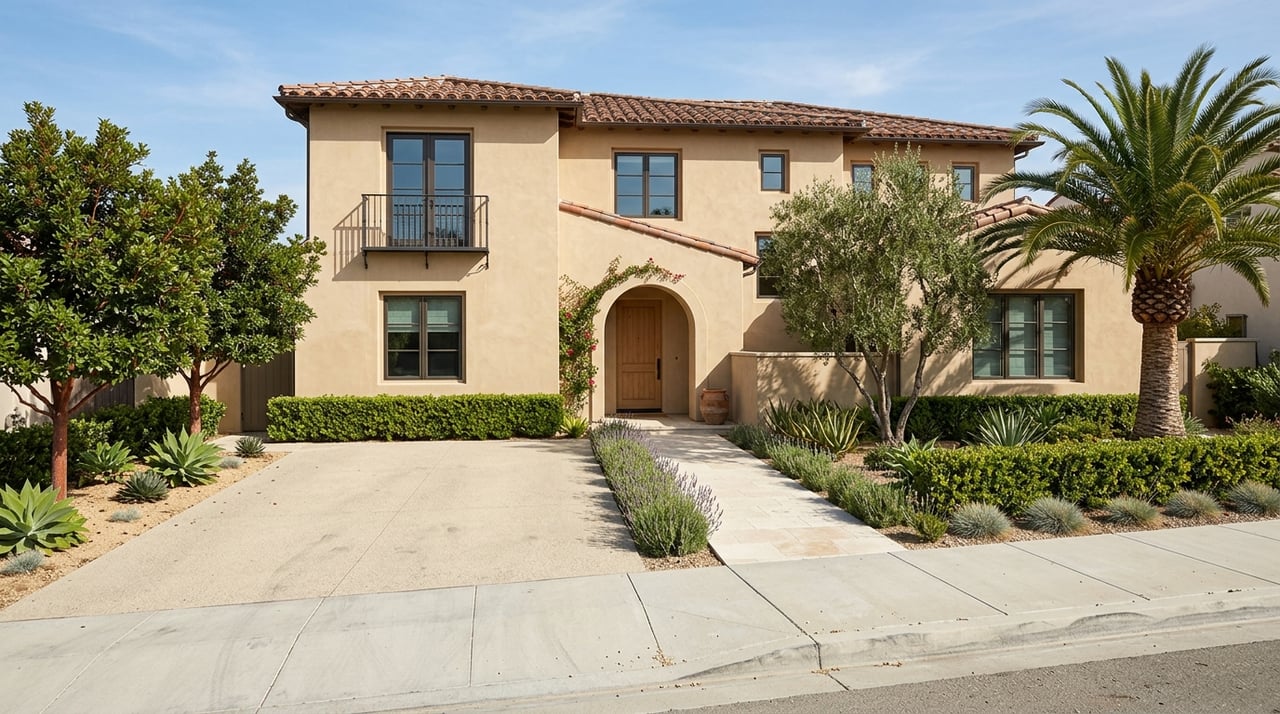
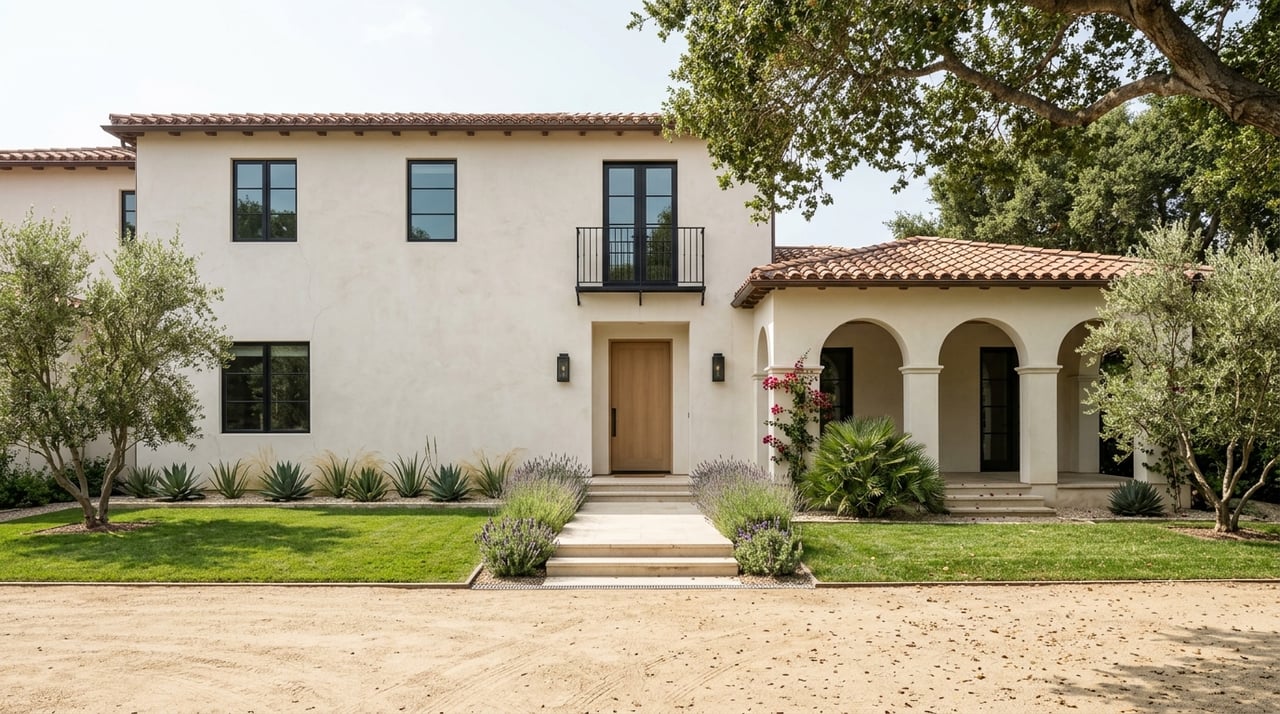
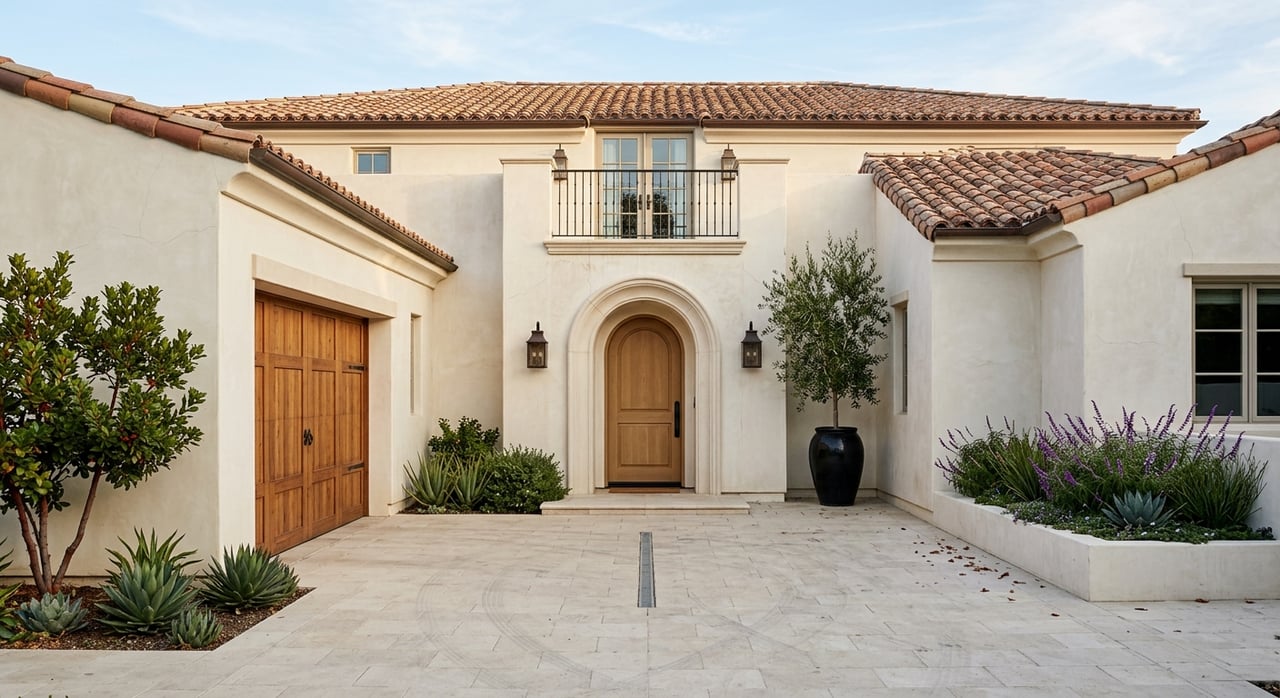
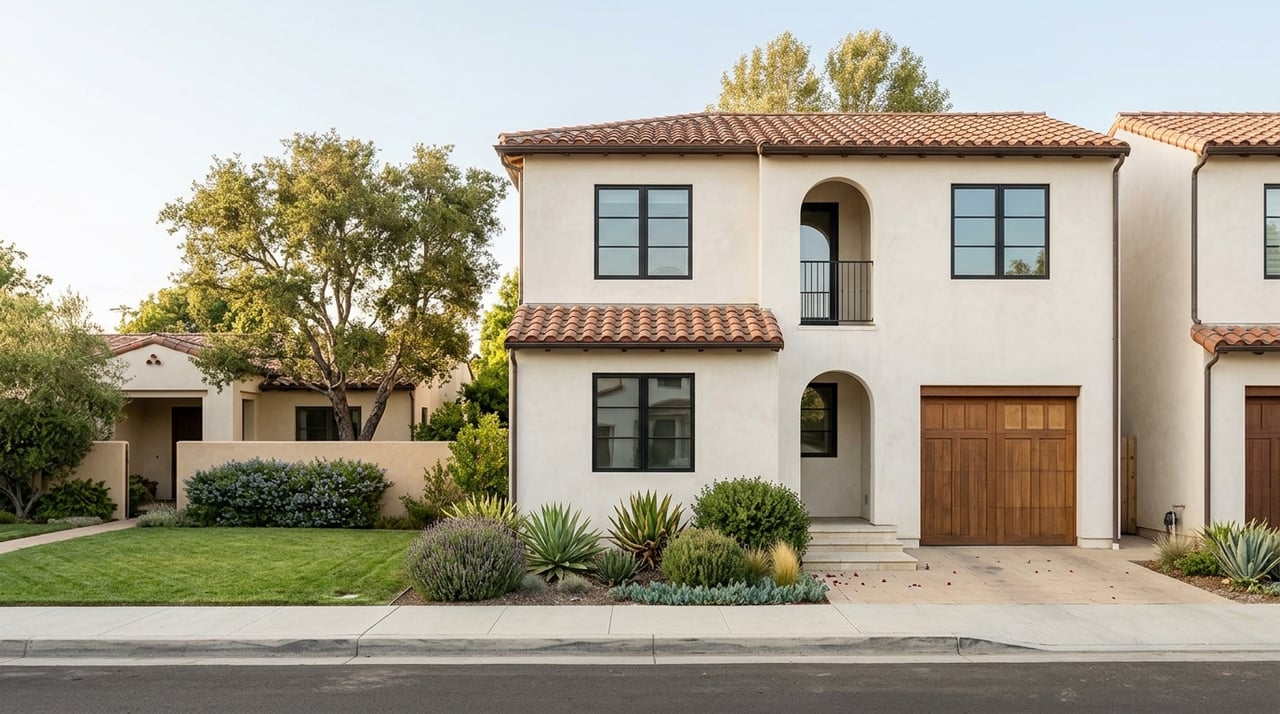
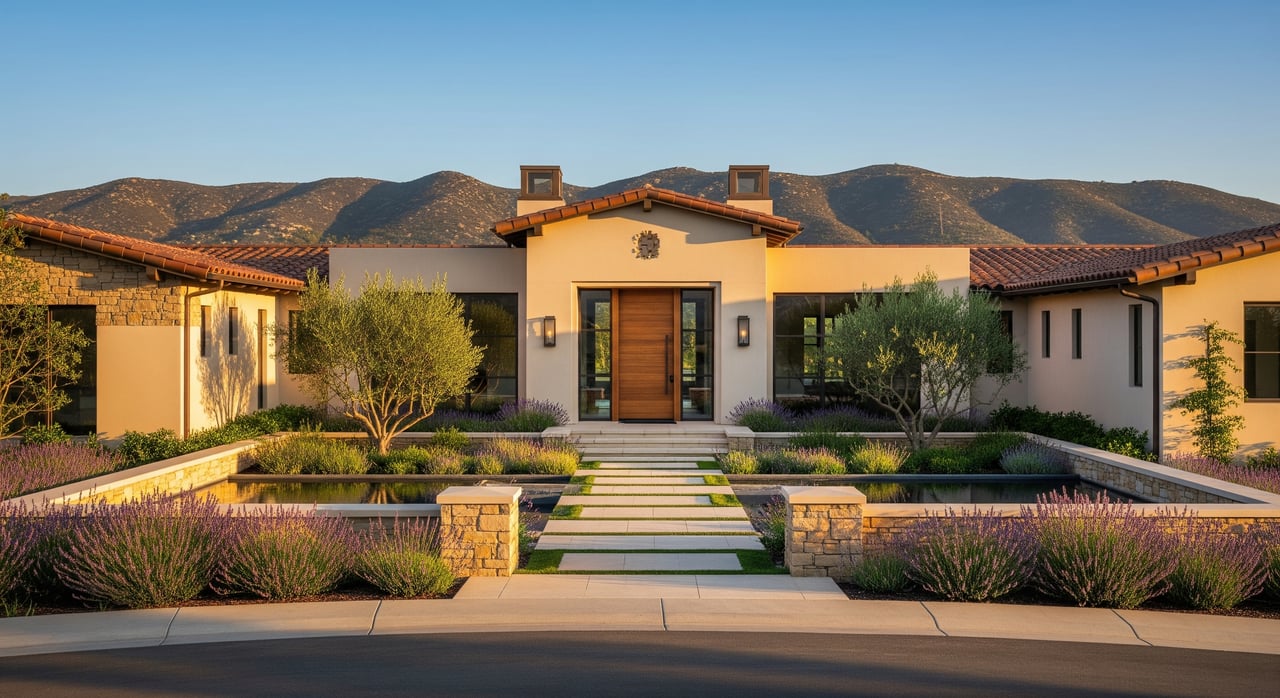
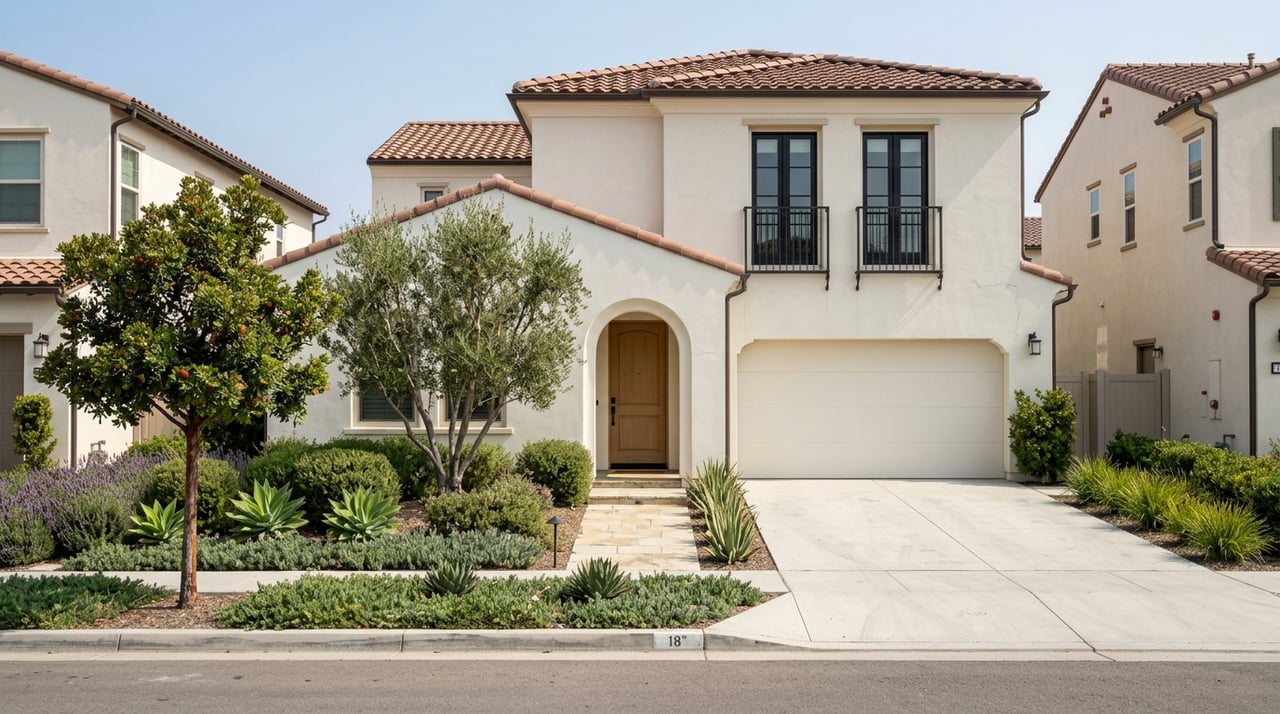
If you picture Carmel Valley as all large detached homes, it helps to broaden that view. The housing mix is varied, with lower-density areas designated for single-family detached homes and other low-density areas that can include small-lot detached homes, townhomes, and attached housing, according to the Carmel Valley Neighborhood 10 precise-plan document.
For you as a buyer, that creates more than one entry point into the community. Depending on your goals, you may find options that prioritize square footage, lower-maintenance living, or proximity to shopping and services. The right fit often comes down to how you want your daily routine to work.
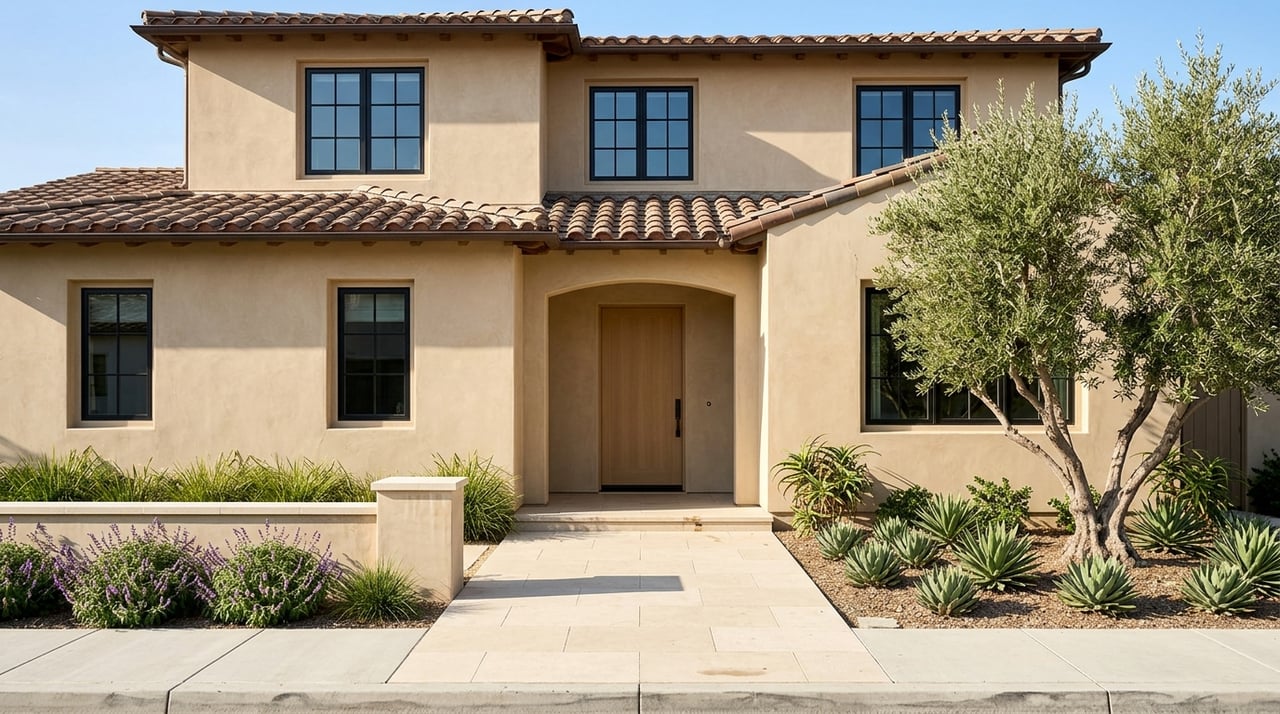
Detached homes and lower-density areas
Detached homes are common in Carmel Valley’s lower-density sections. These areas may appeal to buyers who want more separation between homes, a more traditional residential layout, or a setting farther from the busiest activity centers.
That said, lot sizes, street patterns, and access points can still vary quite a bit by address. Even within the same broader area, one home may offer easier freeway access while another may feel closer to trails or parks.
Attached homes and mixed-use living
Closer to village-style commercial areas, you may also see attached housing and mixed-use elements. This is part of what gives Carmel Valley a more flexible housing profile than some buyers expect.
Projects like One Paseo combine shopping, dining, living, and working uses, while Del Mar Highlands Town Center serves as another major retail and dining hub. If convenience is high on your list, these parts of the community may deserve a closer look.
Commute and Connectivity
For many relocating buyers, commute planning is one of the biggest decision points. Carmel Valley benefits from strong freeway access, especially for people traveling along the north coastal corridor or heading toward other major employment centers in San Diego County.
The area is still fairly car-oriented for everyday life. The Carmel Valley Recreation Center page even notes that the center is not accessible by bus, which gives useful context about how many local trips are typically handled.
Access to job centers
Carmel Valley is not simply a place where people live and commute elsewhere. According to SANDAG’s 2024 employment-center profile, Carmel Valley itself has 23,294 jobs.
Nearby employment hubs are also significant. Sorrento Valley is listed as the region’s largest employment center with 169,067 jobs, and Downtown San Diego has 104,867 jobs. For you, that means Carmel Valley sits within a major regional work corridor rather than on the edge of it.
Rail and shuttle options
Driving is still the dominant mode for many residents, but there are regional transit options worth knowing. NCTD’s COASTER service runs between Oceanside and downtown San Diego with eight stations and year-round weekday and weekend service.
NCTD also offers Sorrento Valley COASTER Connection service for first- and last-mile access, including links to UTC, Torrey Pines, and UC San Diego. If your work routine includes those destinations, this may expand your commute options depending on where you live and how you prefer to travel.
Daily Life and Amenities
Carmel Valley stands out for how much you can do without leaving the community. The city’s community plan identifies parks, trails, a recreation center, a library, hotels, restaurants, shopping, and civic facilities as part of the area’s makeup.
For a relocating buyer, that often translates to simpler day-to-day living. You can handle errands, grab a meal, use community facilities, and access outdoor spaces without needing to cross multiple parts of the county.
Parks, recreation, and library access
The Carmel Valley Recreation Center opened in 1999 and includes courts, a playground, picnic areas, a multi-purpose athletic field, tennis courts, a gym, meeting and craft rooms, a kitchen, and a nearby pool. That makes it a meaningful anchor for recreation and community activity.
The City of San Diego community plan page also notes that the Carmel Valley Library opened in 1993 and is one of the busiest branch libraries in the city. If you value having public resources close to home, those amenities add practical convenience.
Shopping and dining hubs
Retail and dining in Carmel Valley are concentrated in a few recognizable centers. Del Mar Highlands Town Center presents itself as a destination for shopping, dining, services, and movies.
One Paseo adds another major hub with shopping, dining, events, office space, and residential components. If you want a neighborhood where errands and casual outings can stay close to home, this part of Carmel Valley is a real advantage.
Open Space and Outdoor Access
Carmel Valley is not only about convenience and commute access. Open space plays a major role in the identity of the community, especially along its edges.
The city’s Del Mar Mesa planning page describes a trail-focused natural resources plan that covers parts of Carmel Valley and nearby communities south of State Route 56, with trail linkages to surrounding neighborhoods. For buyers who want hiking access or a more open visual landscape, that is an important part of the orientation picture.
What to Verify Before You Buy
When you relocate, broad community appeal matters, but property-specific details matter more. In Carmel Valley, a home’s location within the community can affect your commute pattern, access to commercial centers, and even which public school boundary may apply.
That is why your search should stay focused on exact addresses rather than assumptions based on the neighborhood name alone. A home that seems close on the map may function differently in your day-to-day routine than you expect.
School boundaries are address-specific
If schools are part of your planning, verify them early and verify them by property address. The Del Mar Union School District states that it serves the city of Del Mar and a portion of Carmel Valley.
The research also notes that San Dieguito Union High School District enrolls new students at their residential boundary high school, with a separate high-school selection process for eligible students. The practical takeaway is simple: do not assume school assignment from a listing description or neighborhood label.
Focus on these relocation priorities
As you narrow your search, keep these three questions front and center:
- What housing type fits your lifestyle best?
- How important is proximity to I-5 or a specific job center?
- How close do you want to be to shopping, dining, parks, trails, or other daily-use amenities?
These factors often shape the right choice more clearly than square footage alone.
Why Carmel Valley Appeals to Relocating Buyers
Carmel Valley works well for many relocating buyers because it offers a balanced mix of structure, convenience, and access. It is planned enough to feel organized, active enough to support daily needs, and connected enough to make regional travel manageable.
At the same time, it is not one-size-fits-all. The best move is to treat Carmel Valley as a collection of housing options and micro-locations within a larger planned community. When you do that, you can match your home search to the way you actually want to live.
If you are planning a move and want help sorting through Carmel Valley block by block, the team at Shay Realtors® can help you compare neighborhoods, commute patterns, and home types so you can make a confident relocation decision.
FAQs
What is Carmel Valley in San Diego like for relocating buyers?
- Carmel Valley is a master-planned San Diego community with a mix of residential neighborhoods, commercial centers, parks, trails, civic facilities, and open space, which gives buyers a structured and amenity-rich environment.
What types of homes can buyers find in Carmel Valley?
- Buyers can find a mix of housing types, including single-family detached homes, small-lot detached homes, townhomes, and other attached housing depending on the area.
How do Carmel Valley buyers usually commute?
- Many daily trips are car-oriented, but some buyers may also use regional options like the COASTER and Sorrento Valley connection services depending on their work destination.
What amenities are available to Carmel Valley residents?
- Residents have access to shopping, dining, parks, trails, a recreation center, a library, and other civic facilities within the community.
How should buyers verify school boundaries in Carmel Valley?
- Buyers should confirm school assignment by exact property address because school boundaries in Carmel Valley can vary and should not be assumed from the neighborhood name alone.