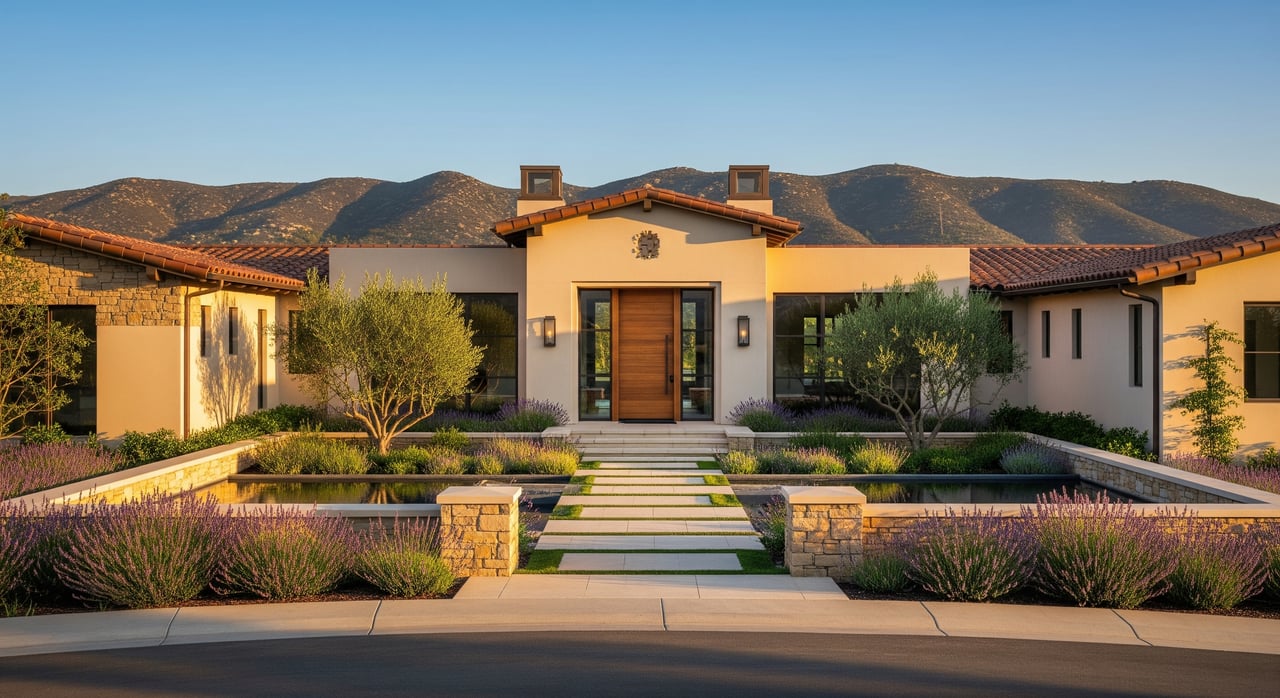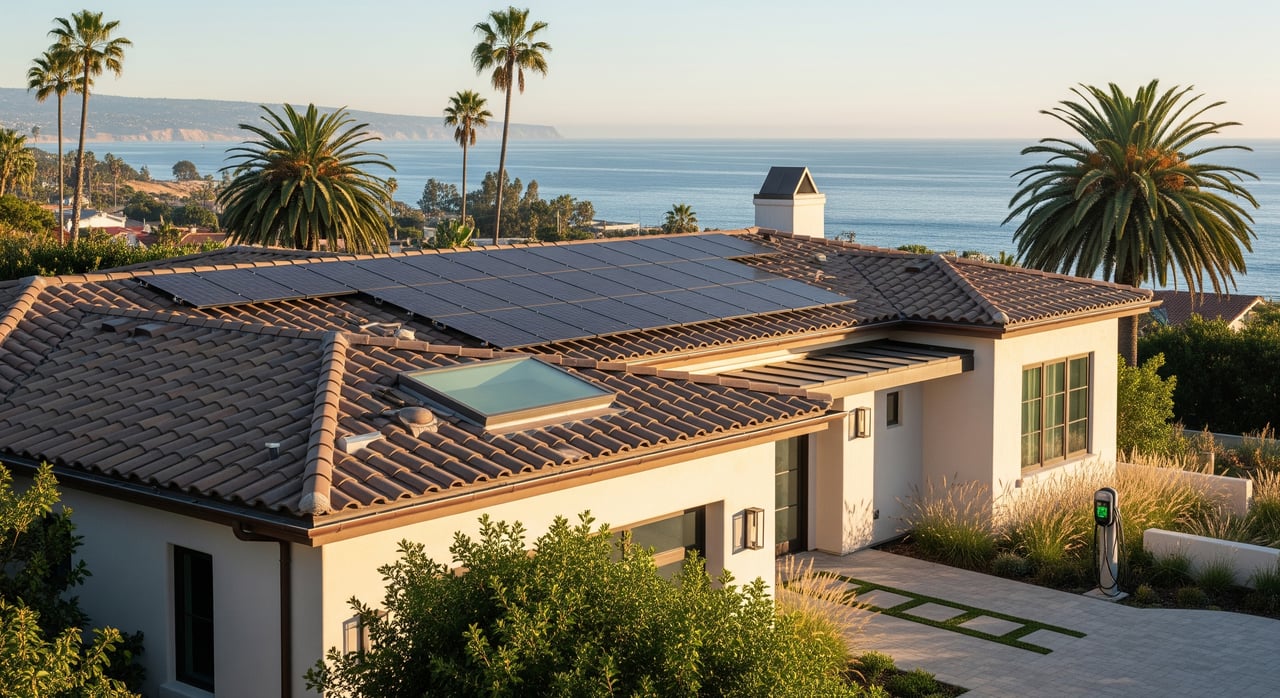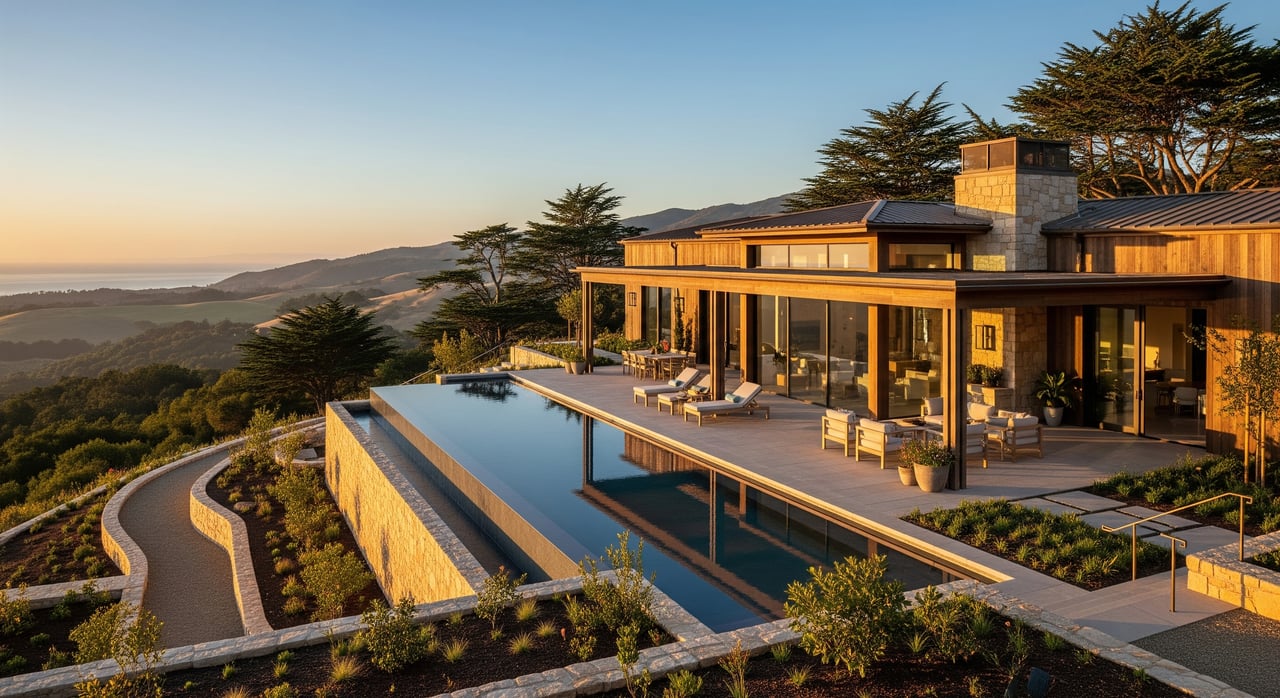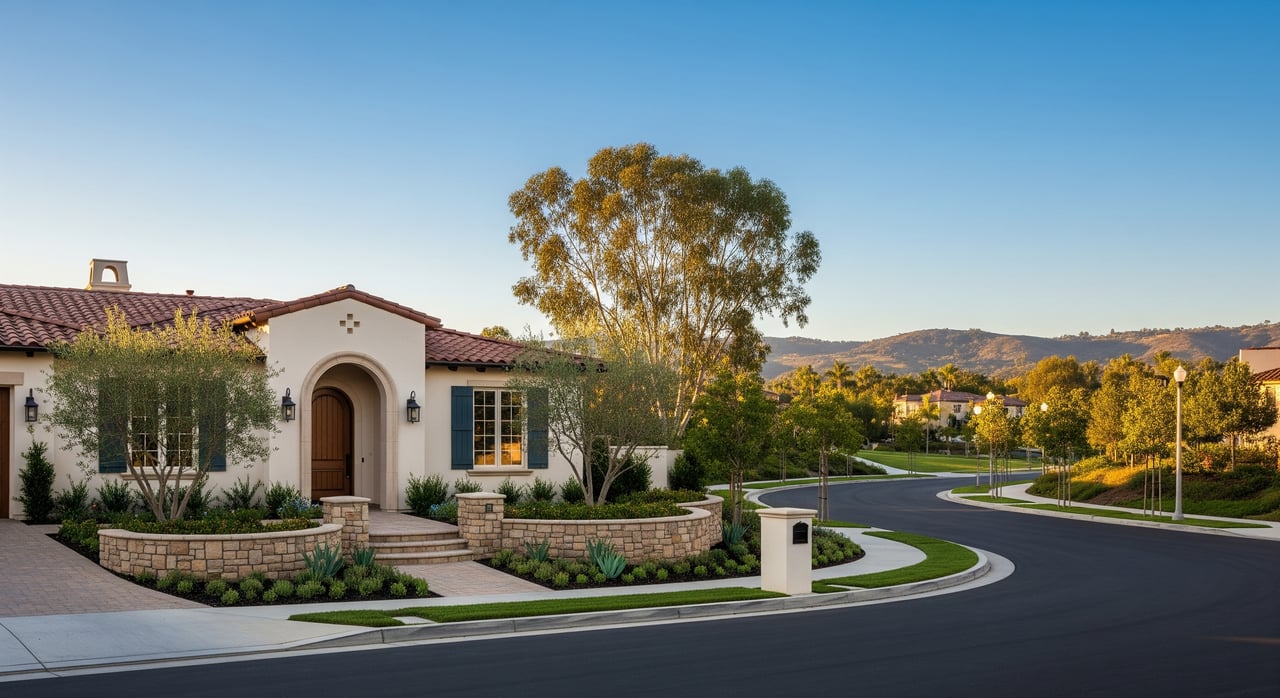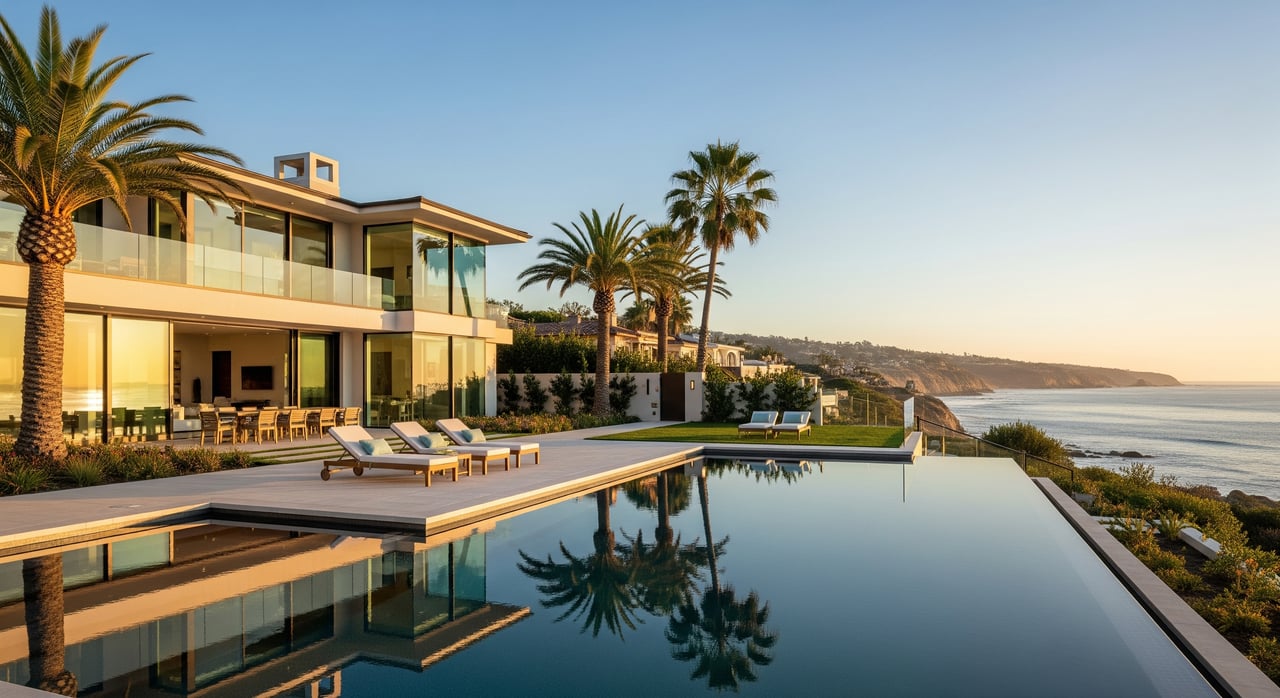
Wondering whether coastal or inland Carlsbad is a better fit for your lifestyle? It is a common question, especially when both sides of the city offer great outdoor access, distinct neighborhood patterns, and that easy North County feel. If you are comparing where you might want to live, this guide will help you understand the real day-to-day differences so you can focus on what fits you best. Let’s dive in.
Coastal vs inland Carlsbad basics
When people talk about coastal versus inland Carlsbad, they are usually describing a lifestyle difference more than a strict boundary. A simple way to think about it is this: coastal Carlsbad tends to feel more beach-oriented, walkable, and transit-adjacent, while inland Carlsbad tends to feel more suburban, trail-rich, and car-oriented for daily errands.
The city does not publish one official line that separates coastal from inland Carlsbad. Still, it is reasonable to think of the Village, Barrio, and shoreline corridor as the coastal side, while areas like La Costa, Aviara, Bressi Ranch, Rancho Carrillo, Calavera Hills, and Robertson Ranch are often grouped into the inland side for home search purposes.
Coastal Carlsbad feel
Village and Barrio setting
The Village is generally located north of Oak Avenue, south of Laguna Drive, east of Ocean Street, and west of Interstate 5. The Barrio is generally north of Tamarack Avenue, south of Oak Avenue, east of the railroad, and west of Interstate 5.
The city describes the Village and Barrio together as a smart-growth opportunity area. That matters because the area is shaped by compact land use, a grid street pattern, flat topography, and proximity to transit, all of which support walking and biking.
Daily life near the coast
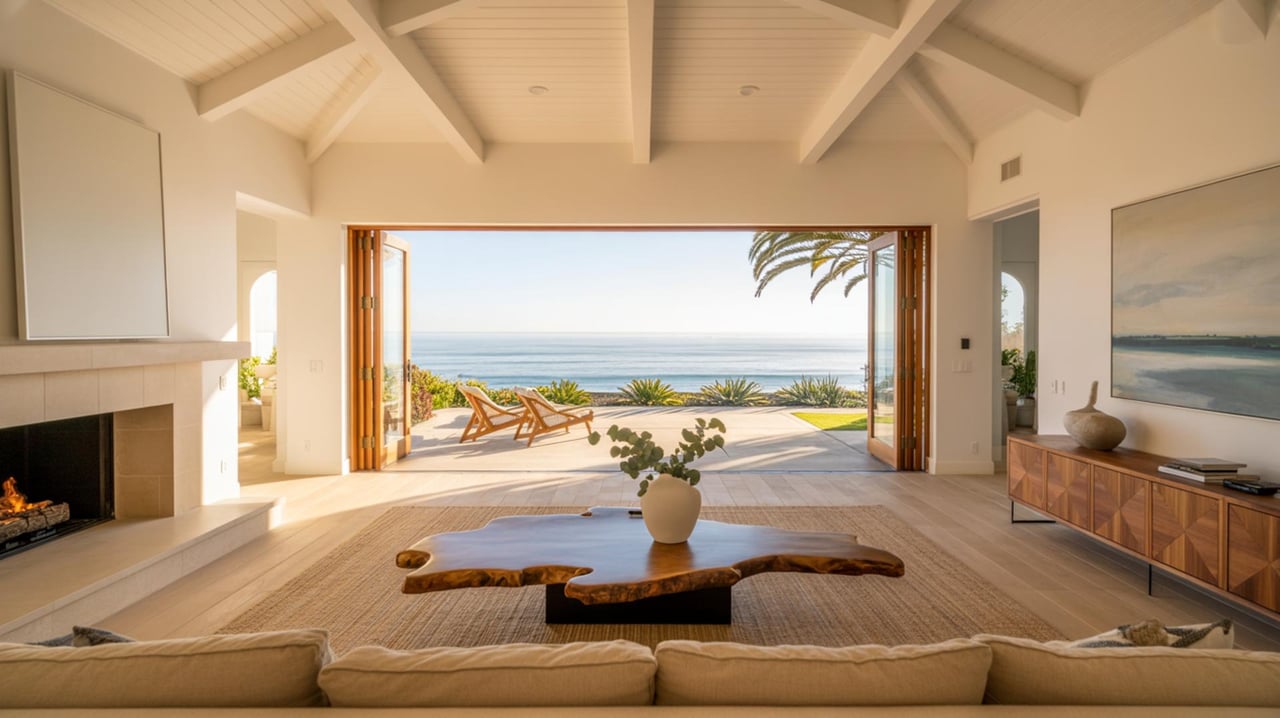
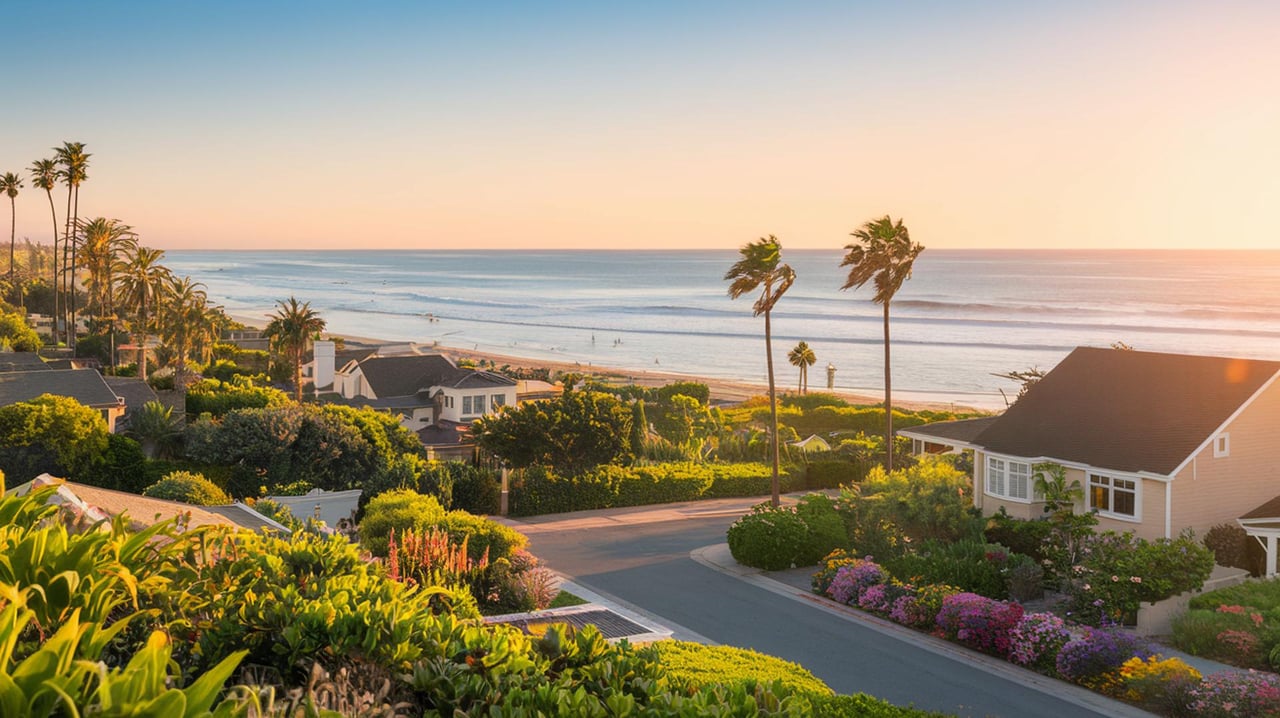
If you picture your ideal routine including beach walks, downtown strolls, and easier access to transit, coastal Carlsbad may stand out. The Coaster and Amtrak station near the Village adds to the on-foot and transit-adjacent appeal of the area.
Beaches are also central to Carlsbad’s identity. Much of the coastline is managed by California State Parks, with amenities that include lifeguards, restrooms, picnic areas, and parking lots. South Carlsbad State Beach also offers access for swimming, surfing, skin diving, fishing, and picnicking.
Inland Carlsbad feel
Master-planned neighborhoods
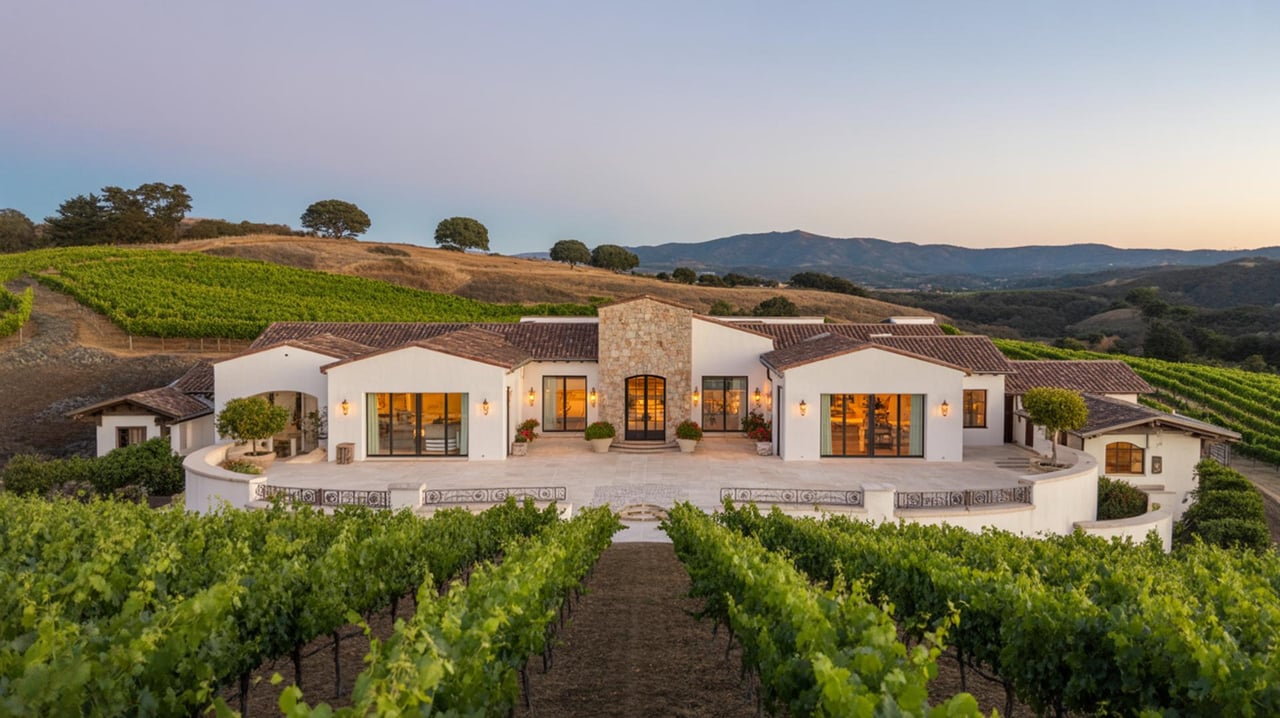
Inland Carlsbad tends to feel different because many areas were planned at a larger scale. Communities such as La Costa and Aviara are part of broader master-planned development patterns that include a mix of residential types, parks, open space, and neighborhood shopping areas.
The result is often a more residential rhythm. Instead of centering your routine around the shoreline, you may find yourself planning your day around trailheads, community parks, neighborhood services, and short drives between destinations.
Parks and trail access
Inland does not mean giving up outdoor living. Carlsbad has about 67 miles of trails and 51 miles of open-space trails, and many of them connect neighborhoods to shops and local services.
La Costa Valley is one example, with trails that connect west to the La Costa Glen trail, which runs north to Batiquitos Lagoon and south to Encinitas. La Costa Canyon Park includes a scenic overlook, basketball, tennis, sand volleyball, a playground, and restrooms.
Aviara Community Park offers another snapshot of inland Carlsbad living. The city describes it as a 24-acre park with sports fields, picnic areas, a children’s play area, restrooms, and panoramic views.
How the weather can feel different
Carlsbad as a whole has a mild Mediterranean climate. The city reports average high temperatures of 64 degrees in January and 75 degrees in August, with about 11 inches of annual rainfall.
That said, coastal and inland areas can feel a little different in everyday life. Official regional climate notes say low clouds often extend inland from the coast, fog is more common along the coast, and sunshine increases toward the interior.
In practical terms, coastal Carlsbad often feels a bit cooler and more influenced by the marine layer. Inland Carlsbad can feel a little warmer or sunnier at times, and the city notes that frost is rare along the coast but can occur in inland valleys.
Housing patterns to compare
Coastal housing style
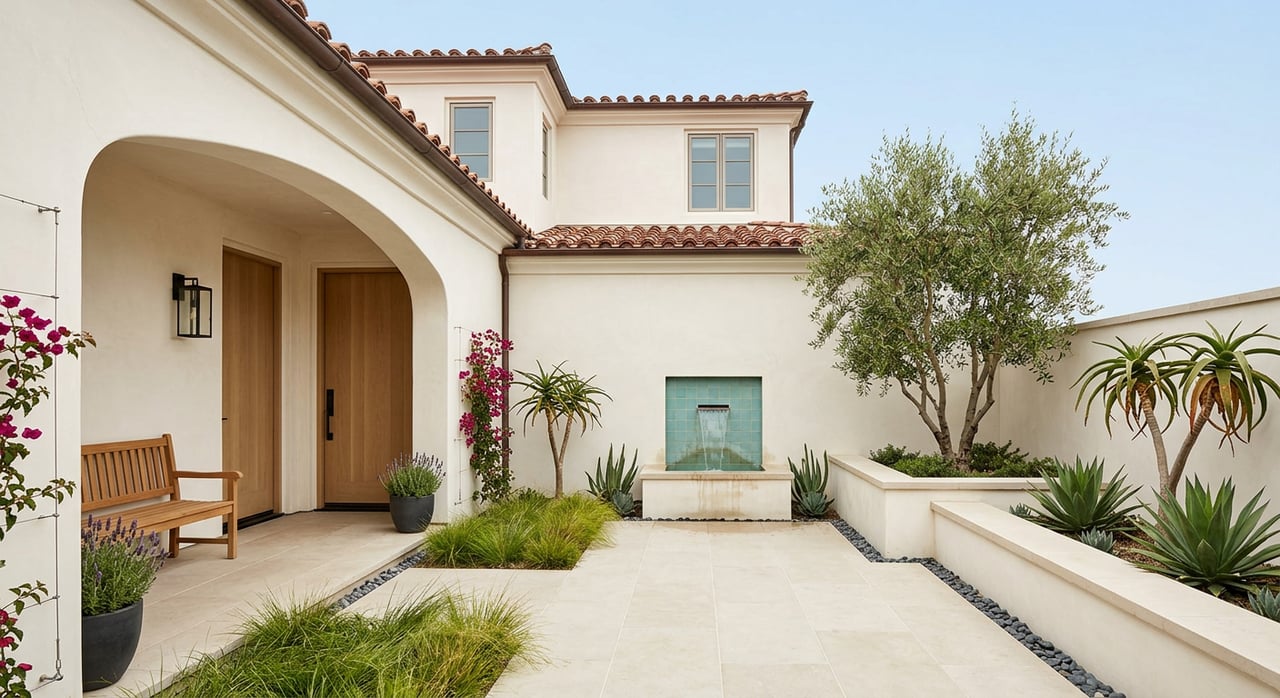
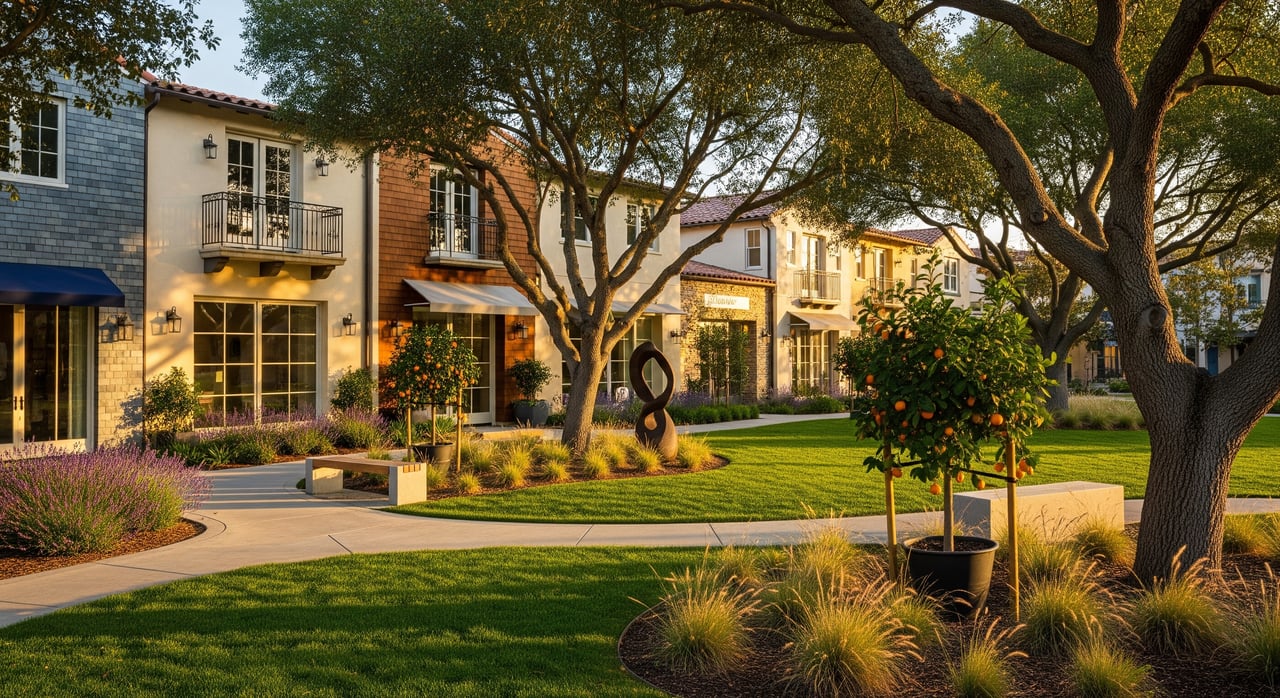
The coastal core is planned around a more compact urban form. In the Village and Barrio, city planning documents emphasize compact building design, walkable neighborhoods, and a range of housing choices, including support for future multifamily and mixed-use residential development.
For you as a buyer, that can translate into a denser, more urban feel in parts of coastal Carlsbad. The appeal often comes from location, walkability, and access to the beach and downtown core.
Inland housing style
Inland Carlsbad is shaped more by larger master plans. The La Costa planning framework includes standard detached single-family homes, attached single-family homes, cluster multifamily, apartments, local shopping centers, and rural estate single-family areas.
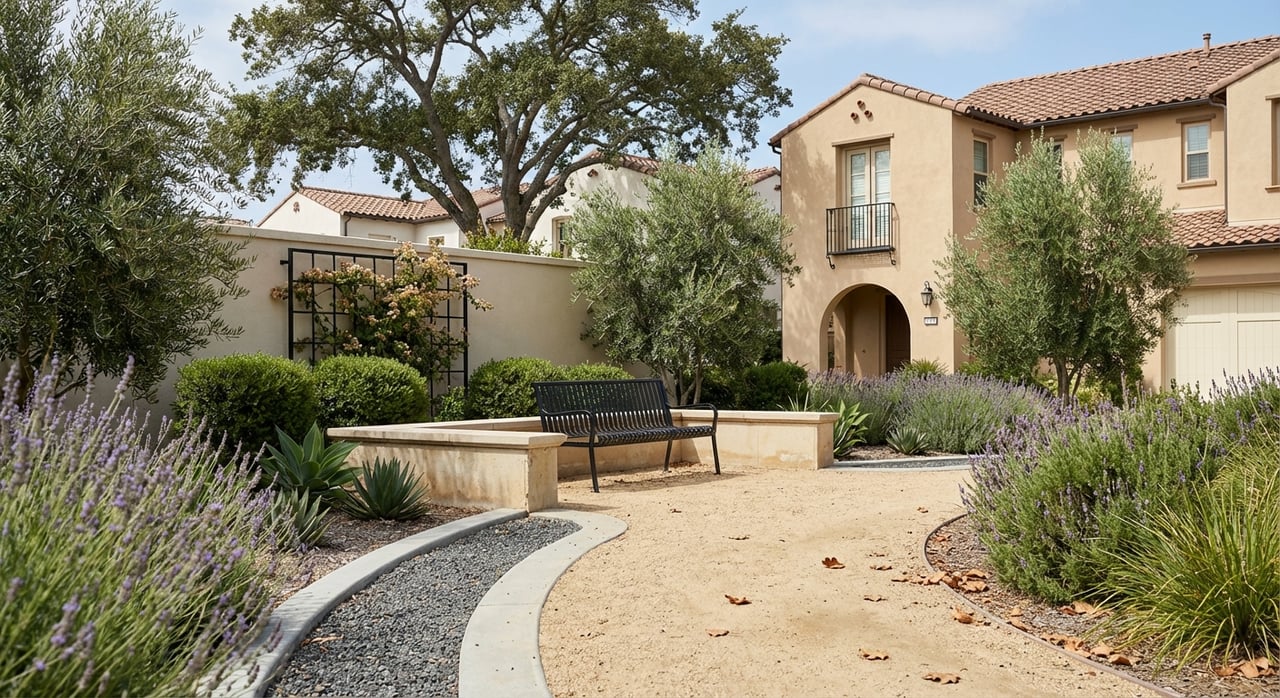
That means inland Carlsbad often offers a different sense of space and layout. Many areas feel like a series of planned residential enclaves supported by parks, trails, and neighborhood-scale commercial areas rather than a compact mixed-use core.
Walkability and getting around
Where walkability is strongest
If walkability is high on your list, the Village and Barrio are the clearest fit in Carlsbad. The city specifically points to transit proximity, compact land use, flat terrain, and a grid pattern that support walking and biking.
That does not mean inland Carlsbad lacks convenience. It simply means the daily rhythm usually changes. Inland living tends to be more about driving to parks, trail systems, or shopping areas rather than walking to a central downtown or the beach.
Transit versus driving
Coastal Carlsbad has a stronger transit-oriented advantage because of the station access near the Village. If you value being near rail service or enjoy the idea of a more connected, on-foot routine, that can be a meaningful difference.
Inland Carlsbad still supports active living, but the pattern is more spread out. For many buyers, that tradeoff is worth it for the parks, trails, and neighborhood structure.
A simple side-by-side comparison
| Feature | Coastal Carlsbad | Inland Carlsbad |
|---|---|---|
| General feel | Beach-oriented and compact | Suburban and trail-oriented |
| Daily routine | Beach walks, downtown errands, transit access | Parks, trails, neighborhood shopping, planned drives |
| Outdoor focus | Shoreline and beach access | Open space, trails, parks, overlooks |
| Housing pattern | Mixed-use and more compact in key areas | Master-planned neighborhoods with varied residential types |
| Walkability | Strongest in the Village and Barrio | More limited for daily errands |
| Weather feel | More marine-layer influence | Often a bit sunnier or warmer |
How to decide what fits you best
The right choice usually comes down to how you want your days to feel. If you want to be closer to the beach, enjoy a more compact setting, and value walkability and transit access, coastal Carlsbad may be a better match.
If you want a home base that feels more residential, with strong access to trails, parks, and planned neighborhood amenities, inland Carlsbad may fit better. Both sides offer outdoor living and the mild climate Carlsbad is known for, but the rhythm of daily life is different.
A smart next step is to compare not just home styles, but also your routine. Think about where you would spend your mornings, how often you want beach access, whether you prefer to walk or drive for errands, and what kind of neighborhood layout feels most comfortable to you.
If you are weighing coastal versus inland Carlsbad, local context makes all the difference. The team at Shay Realtors® can help you compare neighborhoods, housing patterns, and lifestyle tradeoffs so you can move forward with clarity.
FAQs
What does coastal Carlsbad usually include?
- Coastal Carlsbad commonly refers to the Village, Barrio, and shoreline corridor west of Interstate 5, even though the city does not publish one official coastal-versus-inland boundary.
What does inland Carlsbad usually include?
- Inland Carlsbad often refers to communities farther east, such as La Costa and Aviara, along with other master-planned neighborhoods shown on the city’s neighborhood map.
How different is the weather in coastal and inland Carlsbad?
- The overall climate is mild across Carlsbad, but coastal areas tend to have more marine-layer influence, while inland areas can feel a little warmer or sunnier.
Is inland Carlsbad still good for outdoor living?
- Yes. Carlsbad has an extensive trail system and many inland areas have direct access to parks, overlooks, and open-space trails.
Which part of Carlsbad is more walkable for everyday errands?
- The Village and Barrio are the city’s clearest walkable and transit-oriented areas because of their compact layout, flatter terrain, and proximity to rail service.
Is coastal Carlsbad always denser than inland Carlsbad?
- In general, yes in the core areas discussed here, because city planning for the Village and Barrio emphasizes compact design and mixed-use development, while inland areas are more shaped by larger master-planned neighborhoods.