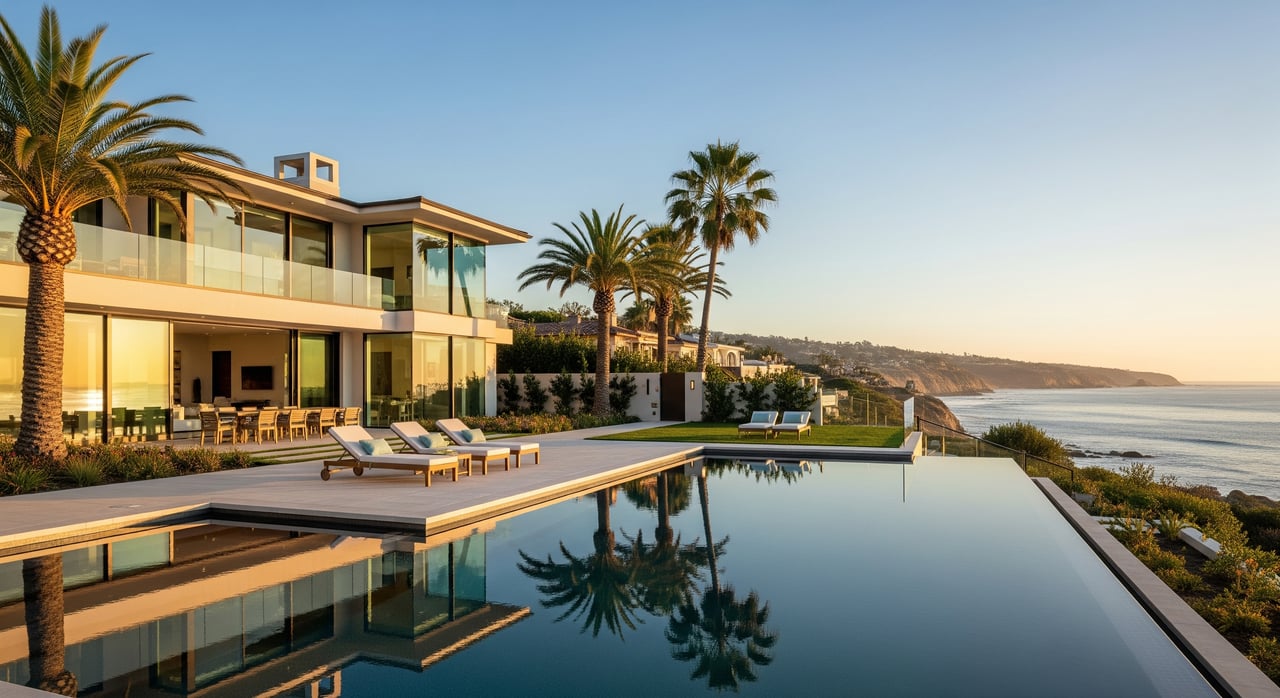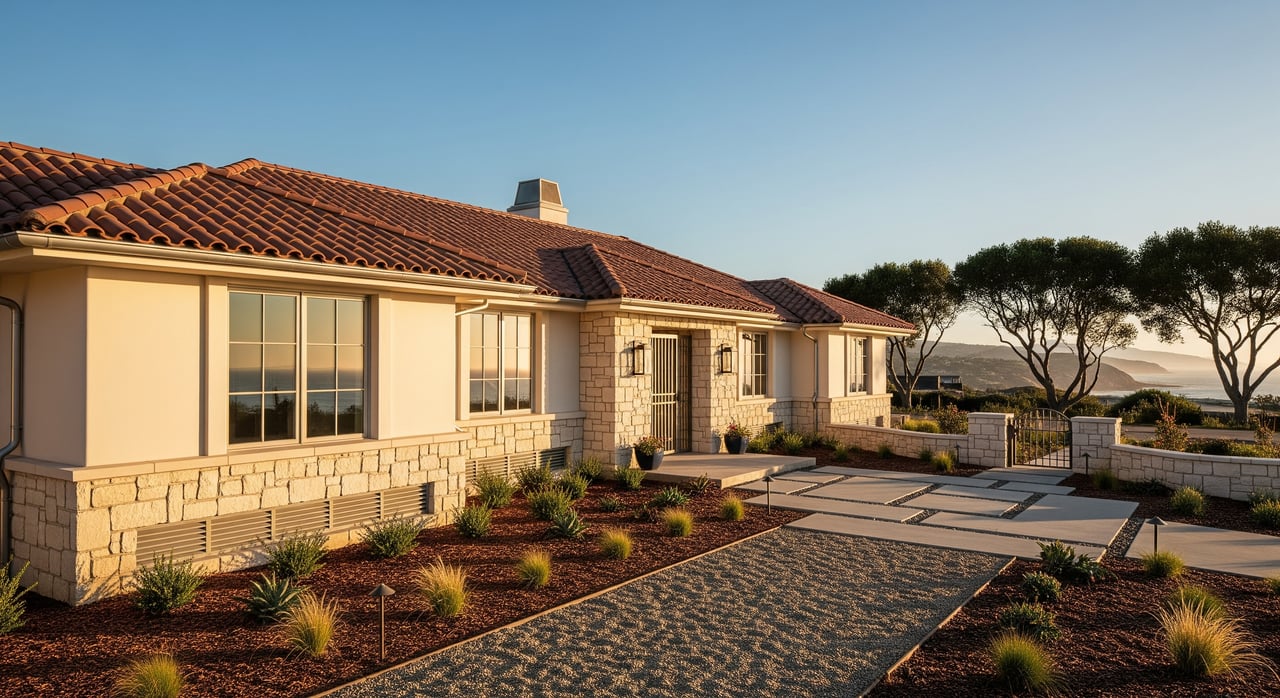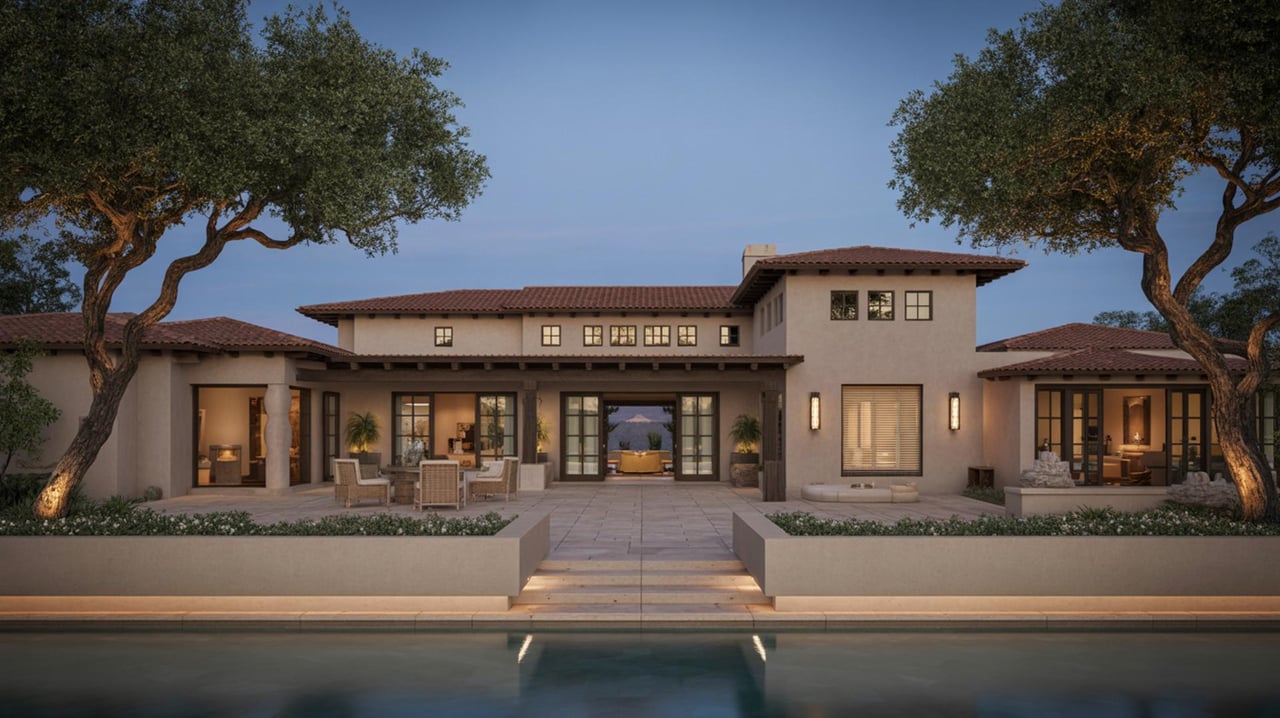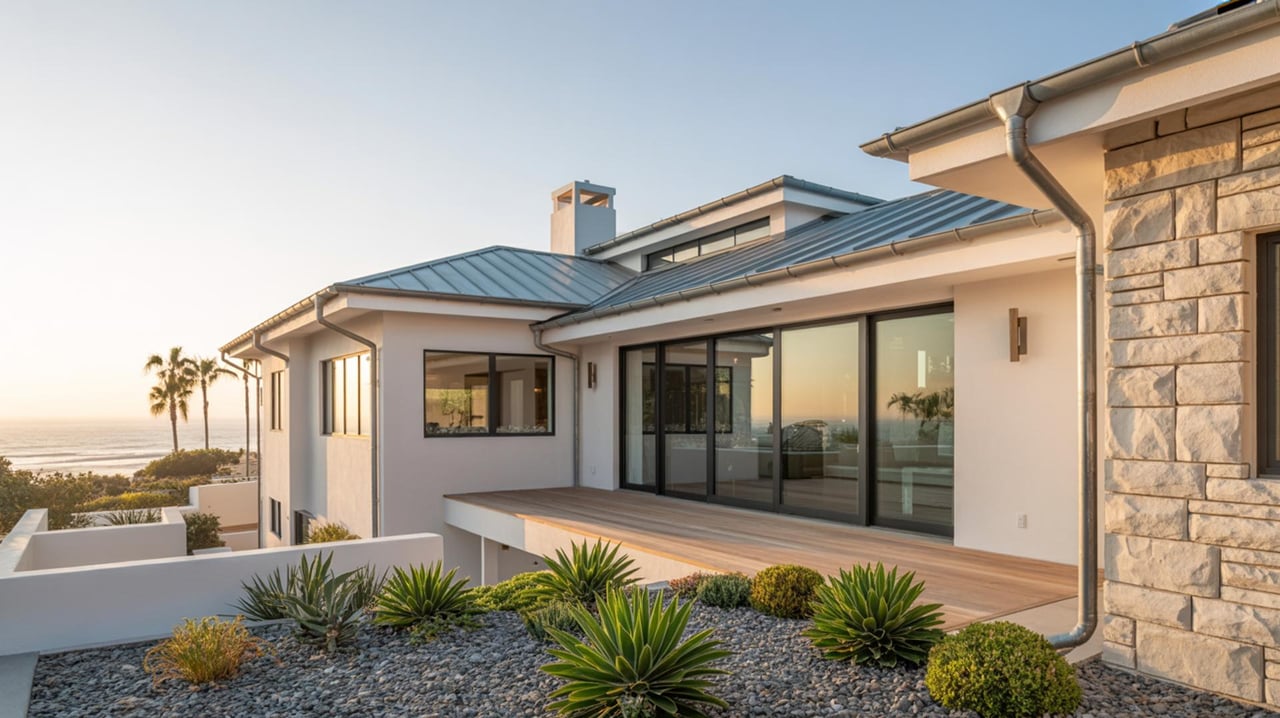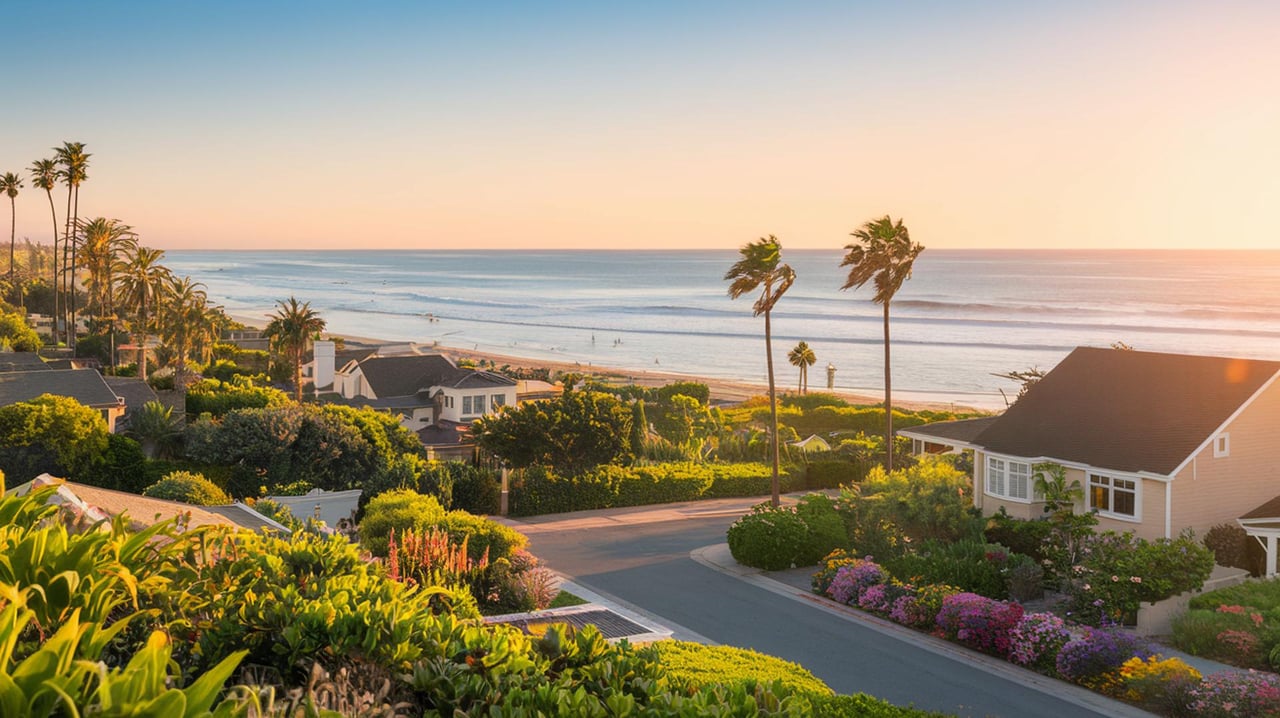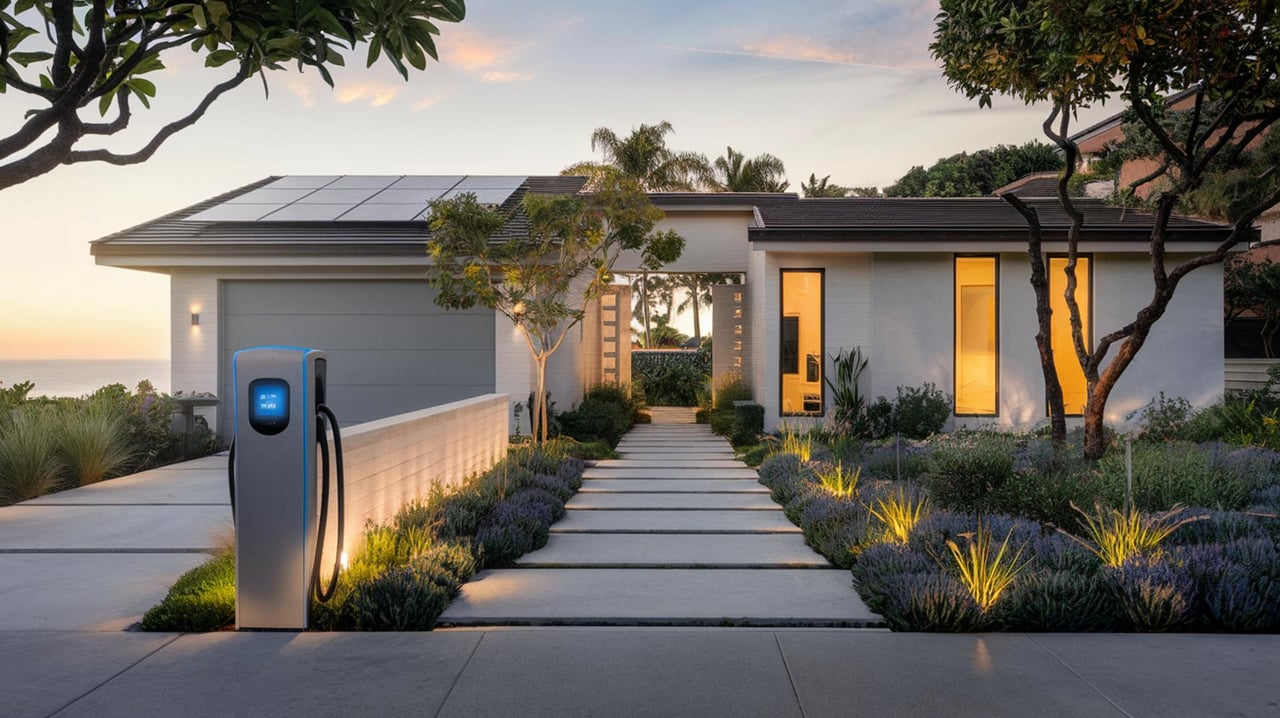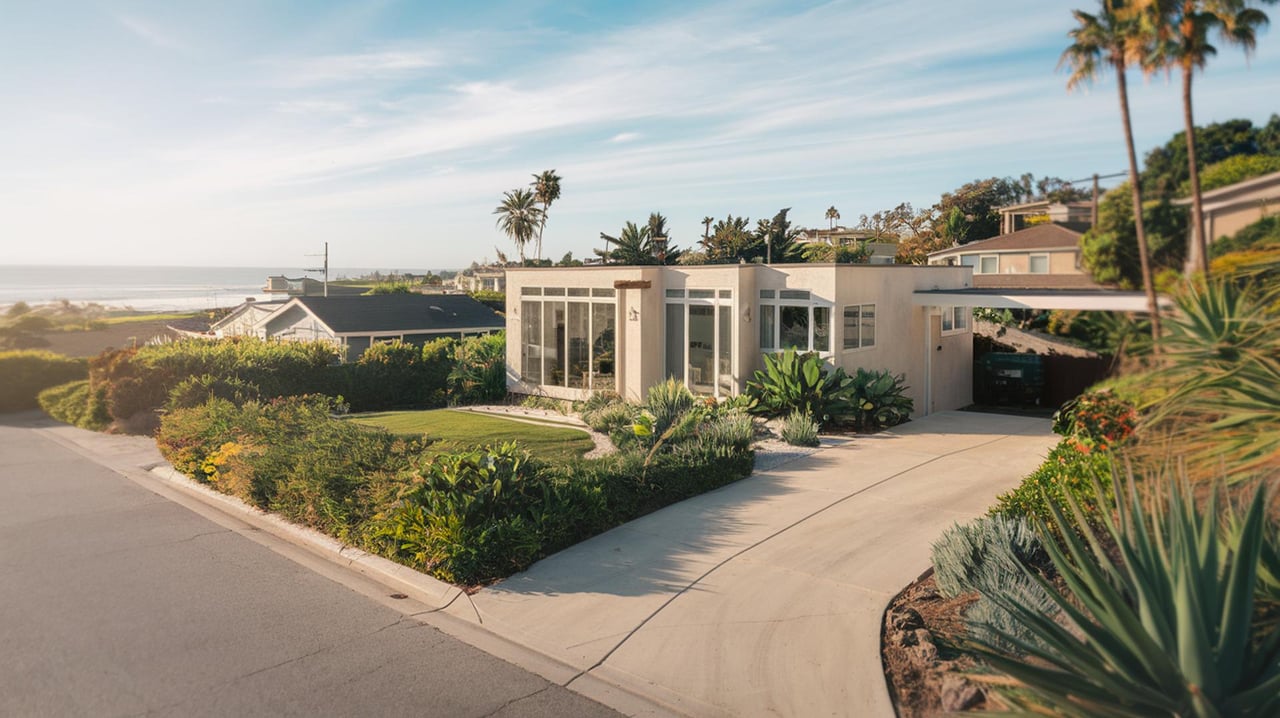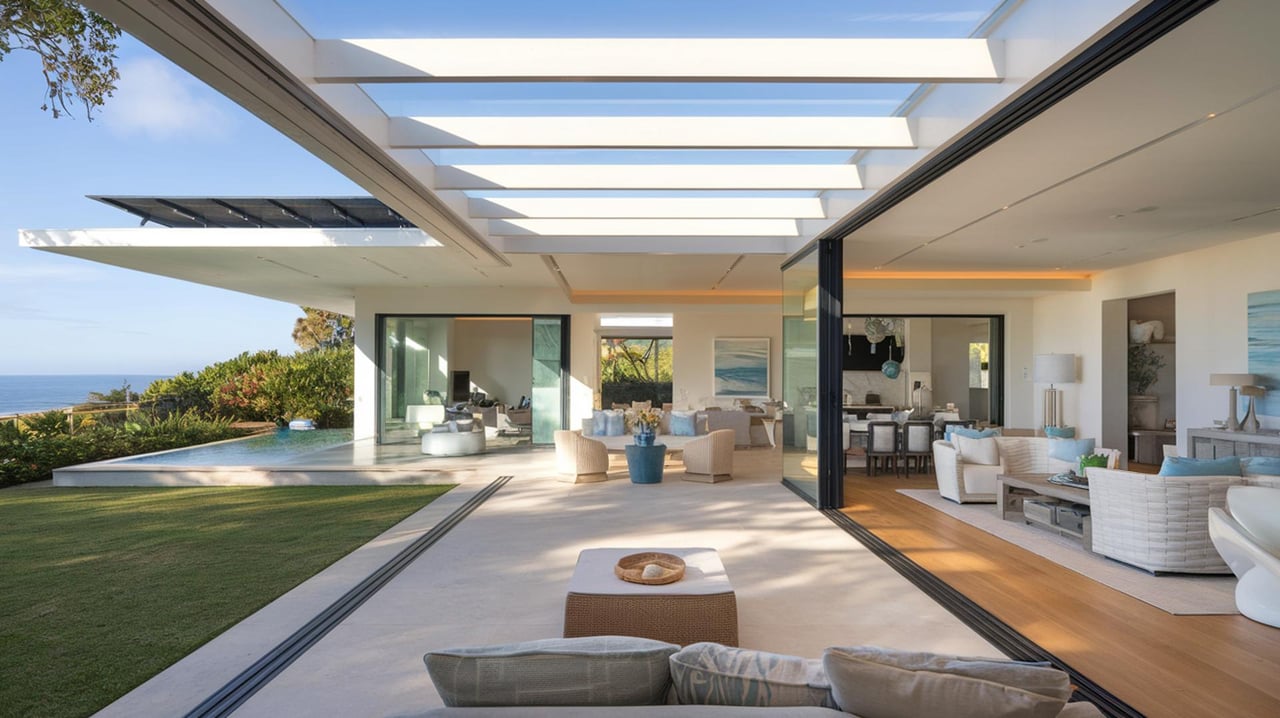
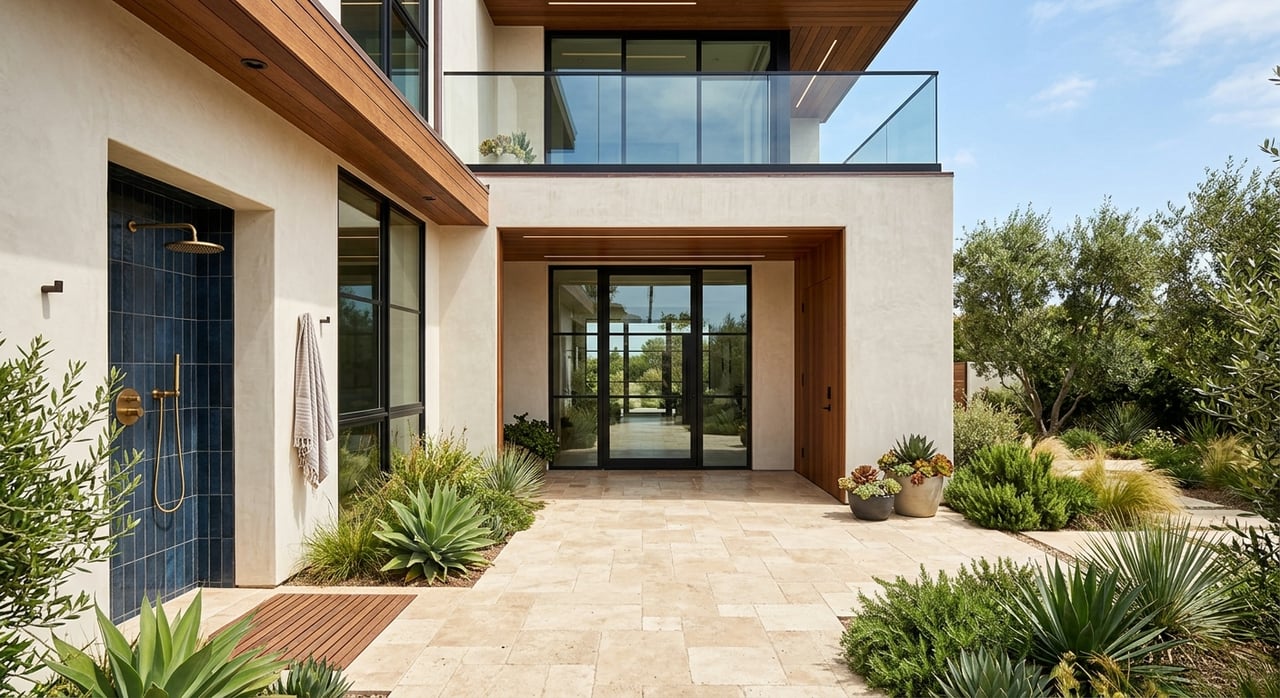
Picture this: you can hear the ocean, walk to the beach in minutes, and still feel connected to a real neighborhood instead of a nonstop tourist strip. That is a big part of what draws buyers to Solana Beach. If you are thinking about living near the water here, it helps to know how beach access, parking, walkability, and housing actually work day to day. Let’s dive in.
Beach access in Solana Beach
Living near the water in Solana Beach often feels convenient, but it does not mean you have one long, continuous beachfront path outside your door. The city’s 1.7 miles of coastline are organized around a small group of beach parks and access points, including Fletcher Cove, Tide Beach Park, Seascape Surf, and Del Mar Shores.
Public access happens through stairways or a ramp, and the city’s Local Coastal Program says there are eight vertical access points total, with four public and four private. In practical terms, your beach routine is usually built around the access point closest to you rather than a single uninterrupted shoreline experience.
The city also notes that lateral beach access can become limited at high tide because the beaches are narrow. During those times, pedestrians are directed to the Coastal Rail Trail along Highway 101 instead. That is an important detail if you imagine long shoreline walks at any hour of the day.
What each beach area feels like
Each access point has its own rhythm and setup. Knowing the difference can help you picture what your everyday routine may look like.
Fletcher Cove
Fletcher Cove is the most full-service beach access in Solana Beach. It includes a public parking lot, free street parking, restrooms, showers, picnic tables, a basketball court, and year-round lifeguards.
It is also close to the Solana Beach rail station, which adds to its convenience. If you want a beach area that feels active and easy to use for quick visits or longer afternoons, this is often the most straightforward option.
Tide Beach Park
Tide Beach Park offers a smaller, simpler setup. It is known for Table Tops and tide pools, with free street parking, showers, and summer-only lifeguards.
This area may appeal to you if you enjoy a more tucked-away beach experience. Just keep in mind that amenities are more limited than at Fletcher Cove.
Seascape Surf
Seascape Surf has stairway access at 501 South Sierra and is described by the city as a wide sandy beach at low tide. It offers free street parking, a public lot across the street, and summer-only lifeguards.
For buyers, this means access can feel especially rewarding when tide conditions are favorable. It is a good example of how daily beach use in Solana Beach can depend on timing as much as location.
Del Mar Shores
Del Mar Shores works more as a scenic viewpoint with beach access nearby. The area includes a stairway at 180 Del Mar Shores Terrace, free street parking, three small public lots, and summer-only lifeguards.
If you are drawn to the visual side of coastal living, this setting may stand out. In Solana Beach, proximity to the water often means views and atmosphere as much as direct sand access.
Walkability near the coast
One of the strongest parts of the near-water lifestyle in Solana Beach is that it is not only about the beach. The city describes the community as offering suburban neighborhoods with access to the urban amenities of Cedros Avenue and Historic Highway 101.
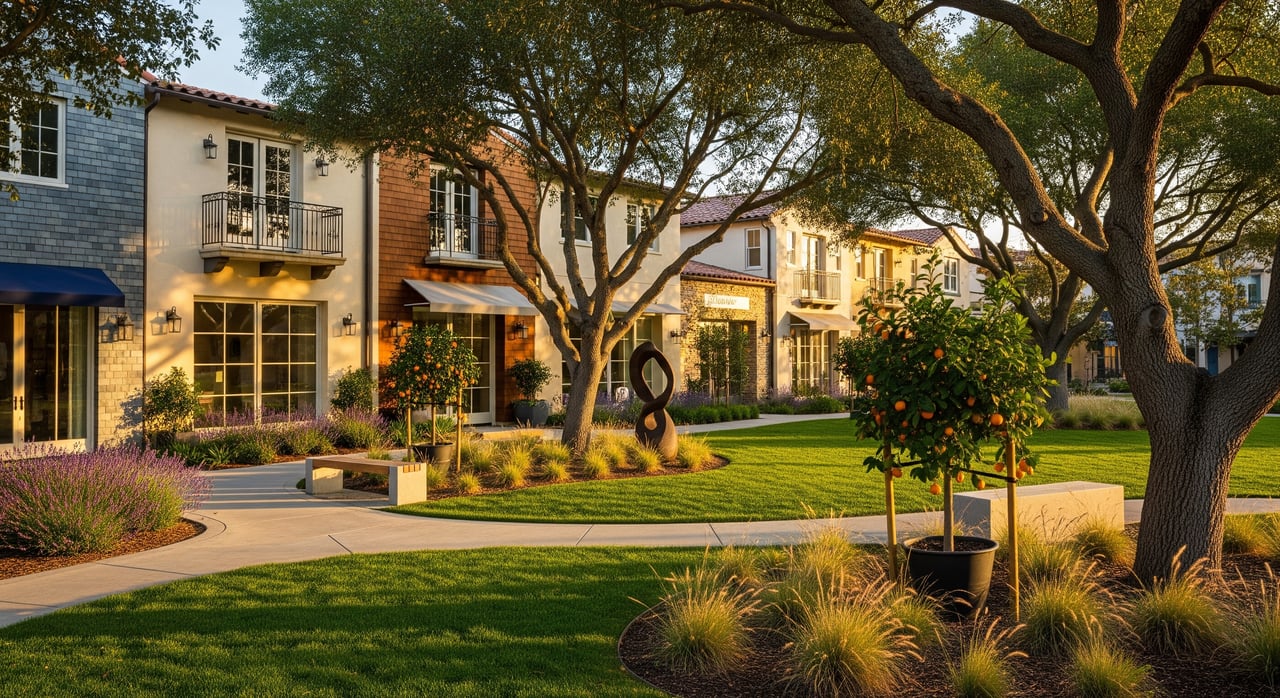
That combination gives Solana Beach a more balanced feel than some beach towns. You can enjoy a coastal setting while still having a walkable town-center pattern for everyday errands, dining, and local events.
Cedros Avenue and Highway 101
Cedros Avenue is a key part of the local experience. The city highlights the Cedros Avenue Farmers’ Market and the adjacent Cedros Design District, both of which support the area’s small-town, pedestrian-friendly feel.
For many buyers, this is what makes Solana Beach especially livable. You are not just buying closeness to the ocean. You are also buying into a pattern of daily life that can include walking to coffee, shops, community events, or the beach.
The Coastal Rail Trail
The Coastal Rail Trail is another major piece of the lifestyle. The city’s Local Coastal Program describes it as a multi-use pathway with a separate jogging path, pedestrian and bicycle bridges, low-glare lighting, landscaping, bus stops, and access to rail service.
That matters because when the beach narrows at high tide, the trail becomes even more useful. It also adds another layer of mobility for residents who want outdoor access without depending on a car for every trip.
Transit is part of daily life
In Solana Beach, public transportation is a real option, not just a backup plan. The city lists key routes such as I-5, Highway 101, Lomas Santa Fe Drive, and Via de la Valle, along with BREEZE bus service and rail service through the Solana Beach station.
If you are relocating from outside the area, this can be an advantage. A near-water home here can still keep you connected to the broader North County and San Diego region.
Parking and summer crowds
Parking is one of the most practical parts of coastal living, and in Solana Beach, it is a mix of adequate overall supply and location-specific limitations. The city’s Local Coastal Program lists 2,060 public parking spaces for beach users citywide, including 319 at the Transit Station, 33 at Fletcher Cove, and 66 at City Hall.
The same plan says parking is generally adequate for existing coastal access and recreation uses. Still, that does not mean every beach access point feels equally easy every day.
Where parking feels easier
Fletcher Cove tends to be one of the more manageable spots because it has both a public lot and street parking. Seascape Surf also benefits from free street parking and a public lot across the street.
If your routine includes quick beach visits or hosting friends on weekends, these details can shape which parts of Solana Beach feel more convenient to you.
Where parking can feel tighter
Tide Beach Park relies on free street parking only. Del Mar Shores uses free street parking plus three small public lots nearby.
That does not make those areas unworkable, but it does mean your experience may vary more by time of day and season. In summer and on weekends, planning ahead becomes more important.
Expect a seasonal rhythm
The city says shoreline recreation peaks between Memorial Day and Labor Day. A reasonable takeaway is that beach access and parking will generally feel more compressed during summer and peak weekends.
That seasonal rhythm is part of life near the water. The quieter months can feel very different from the busiest part of the year, which many full-time residents see as part of the appeal.
Solana Beach feels active year-round
One common assumption about beach towns is that they slow down too much outside summer. In Solana Beach, the city’s event calendar suggests a more year-round pattern.
Community events include Fiesta del Sol in spring, Concerts-in-the-Park at Fletcher Cove during summer, and holiday tree lighting events in winter. That supports the idea that Solana Beach functions as a residential community throughout the year, not just a vacation destination.
The city’s Marine Safety Department also covers the coastline year-round with beach and bluff safety services. Fletcher Cove has year-round lifeguards, while Tide Beach Park, Seascape Surf, and Del Mar Shores have summer-only lifeguards.
For you as a buyer, this means the coastal lifestyle here has both lively and quiet seasons. You can enjoy energy in the warmer months without giving up the feel of an established local community the rest of the year.
What homes near the water look like
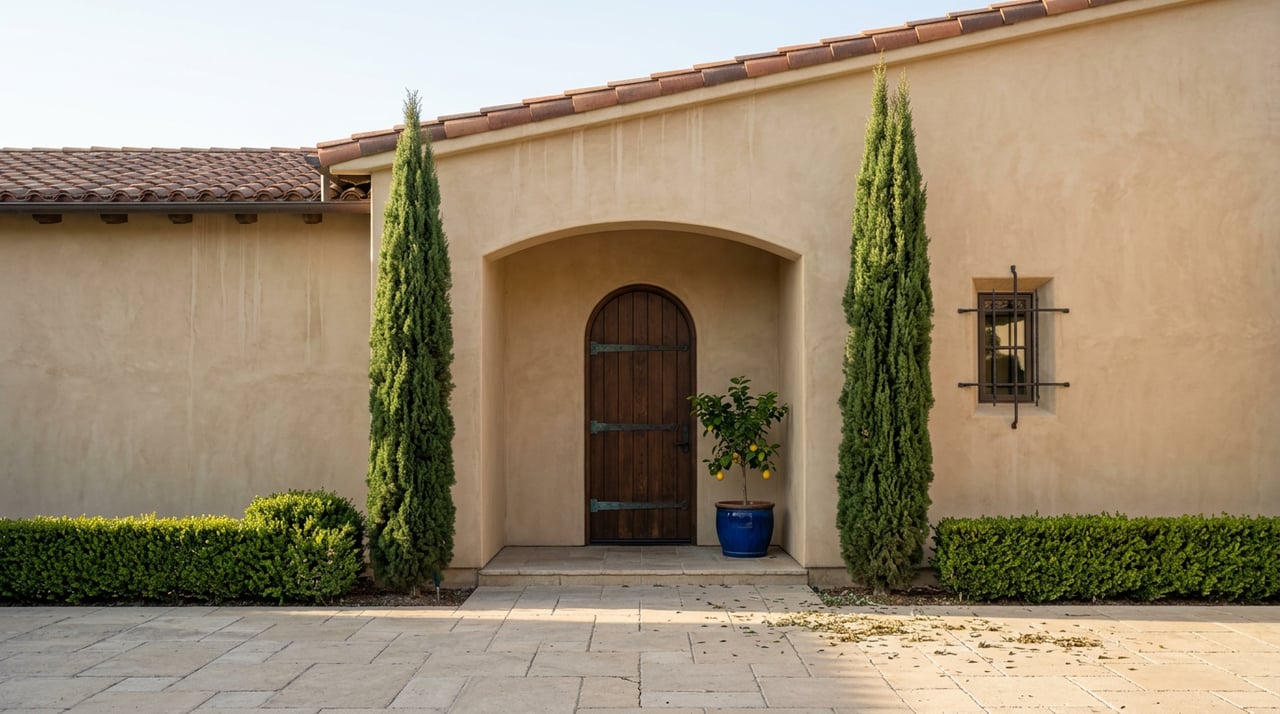
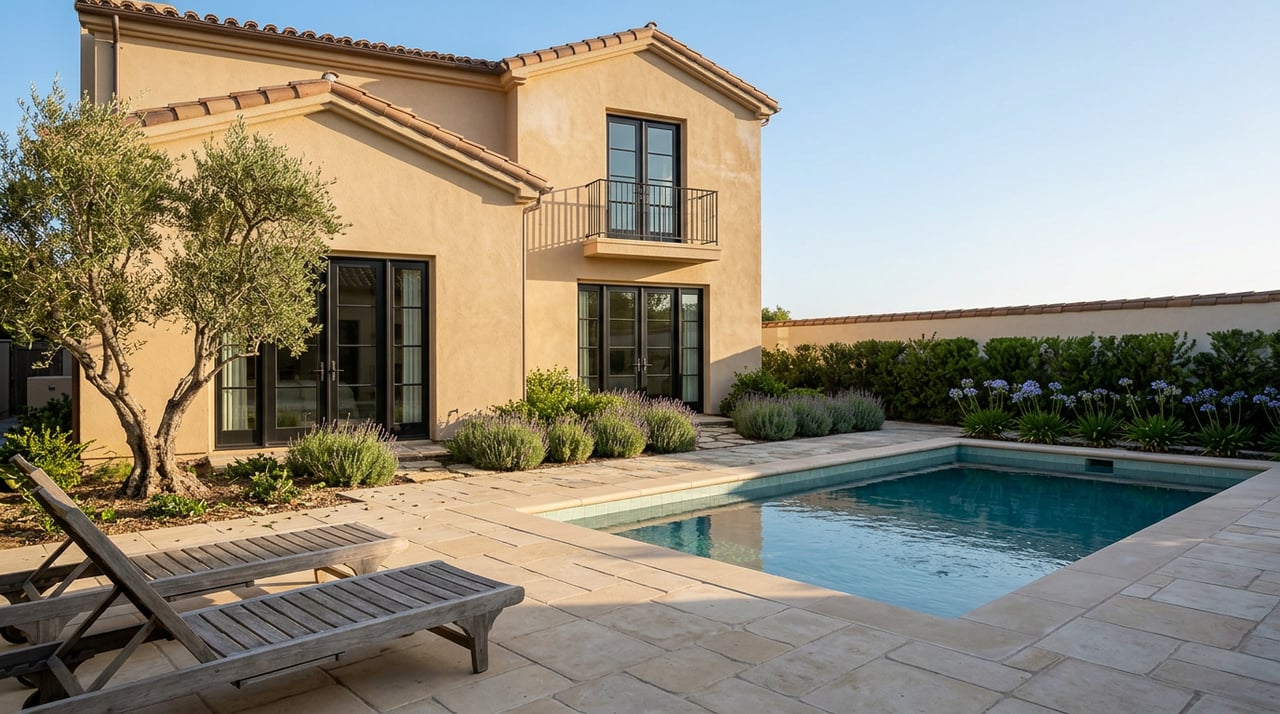
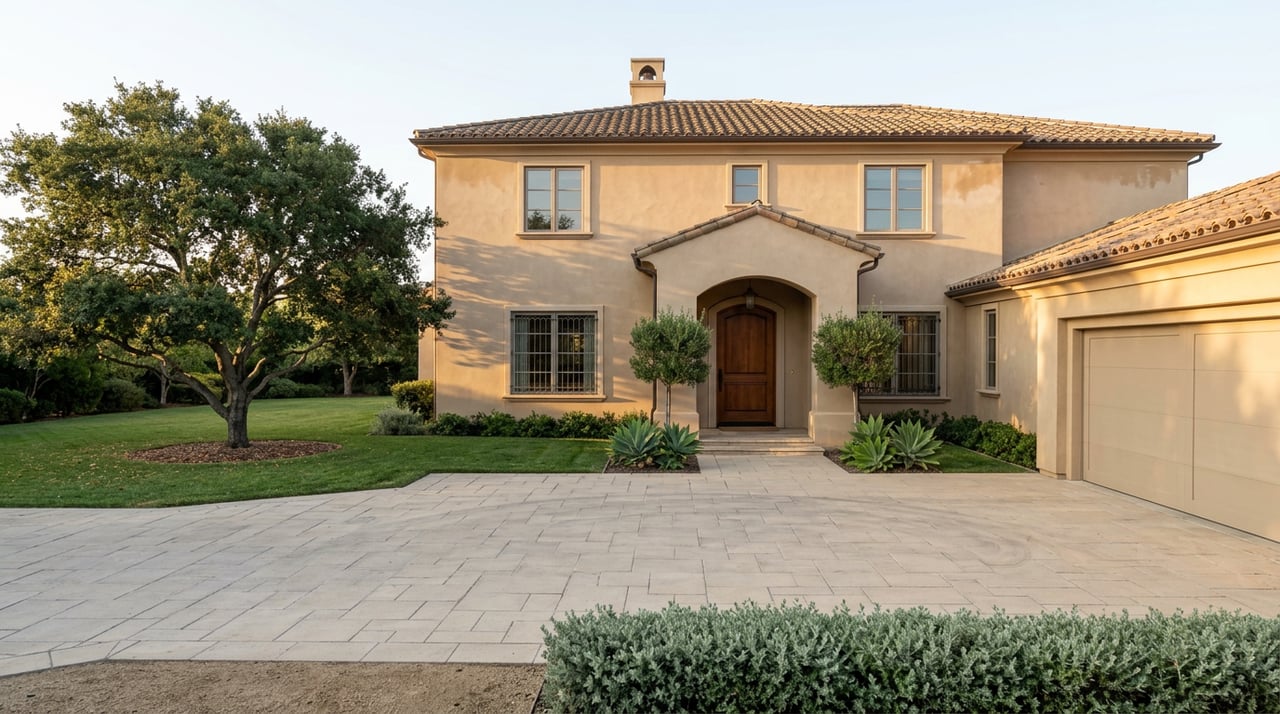
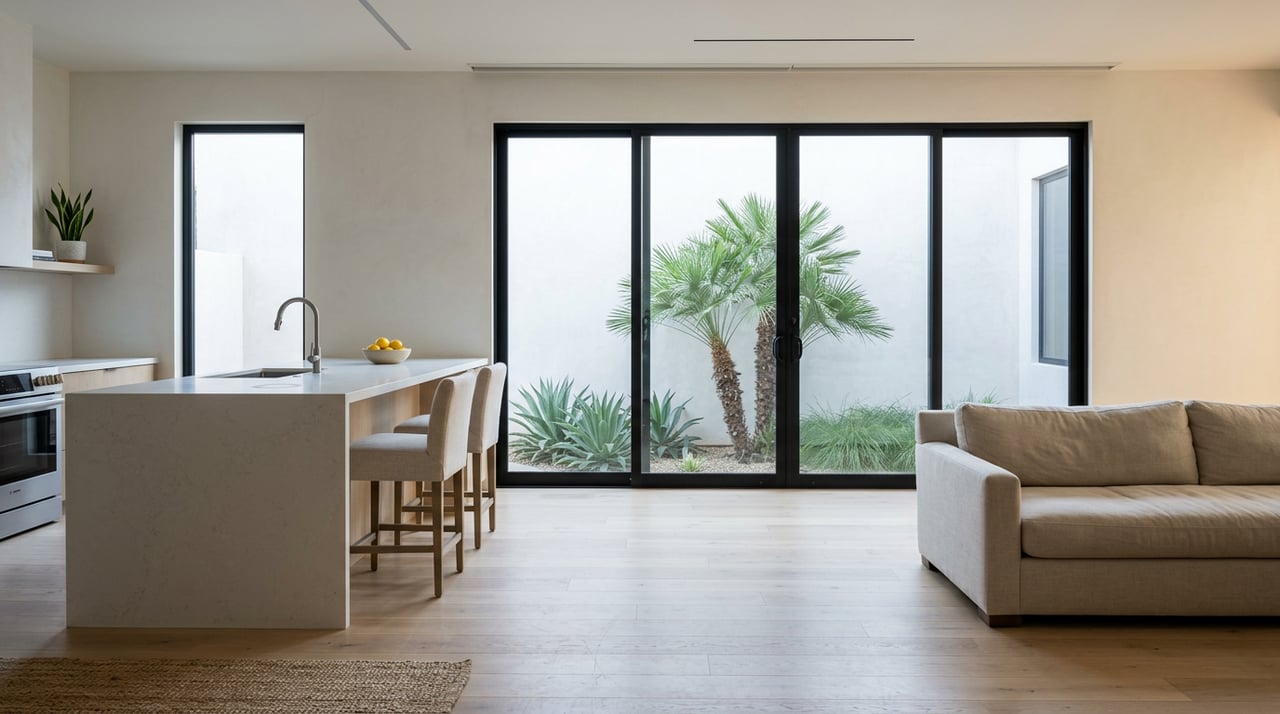
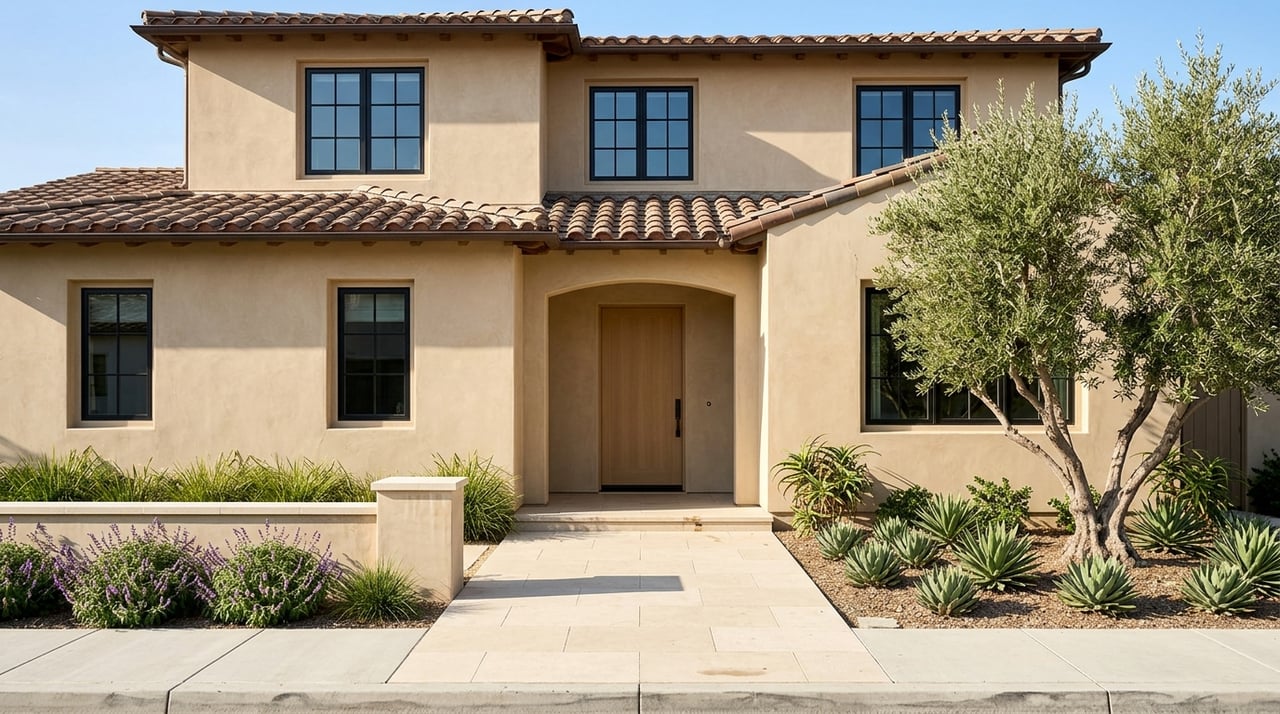
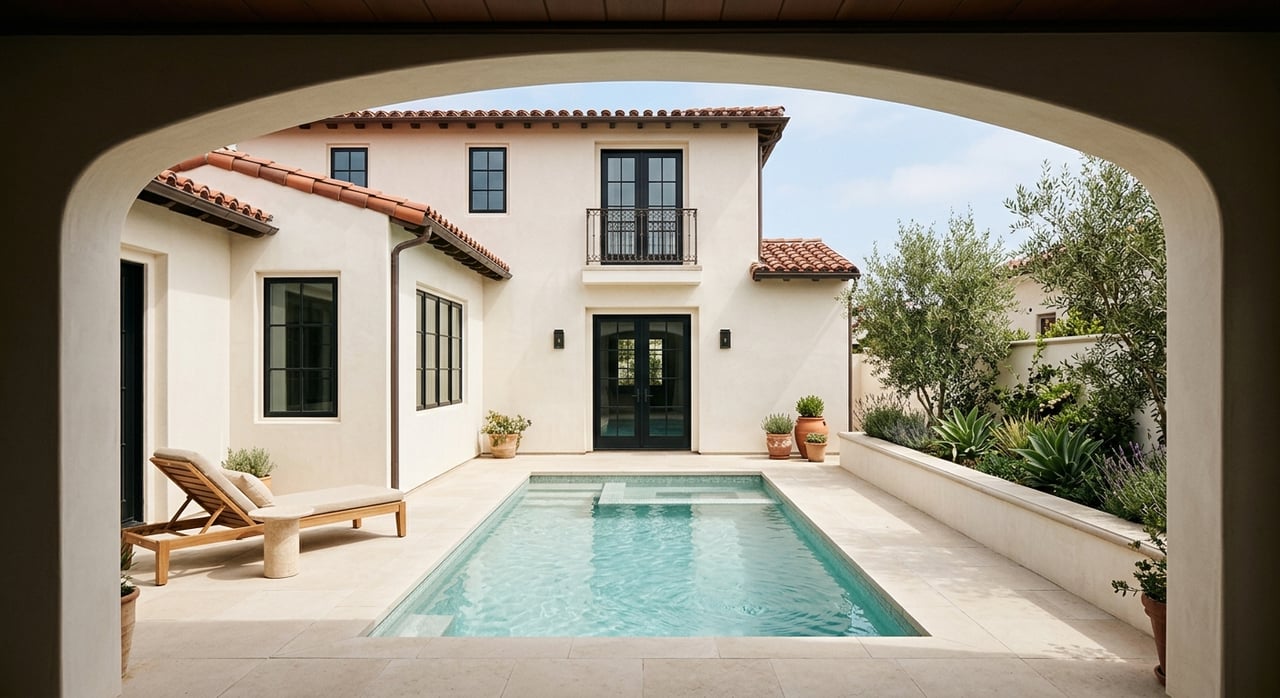
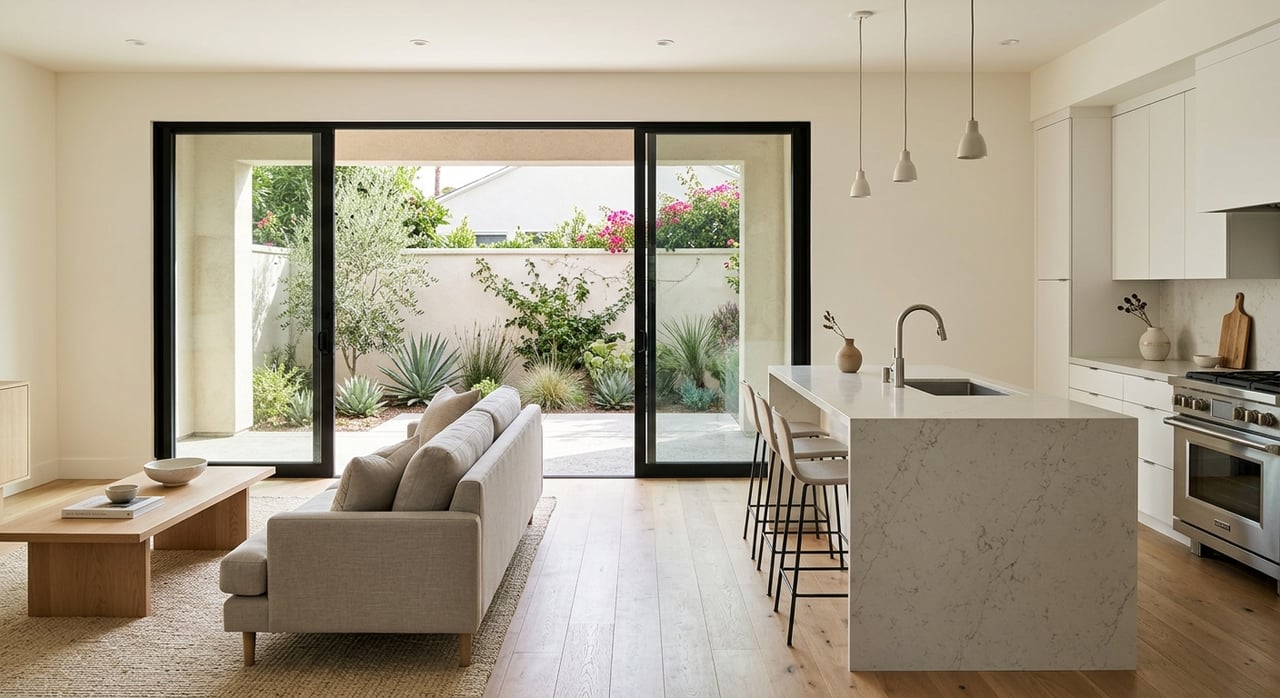
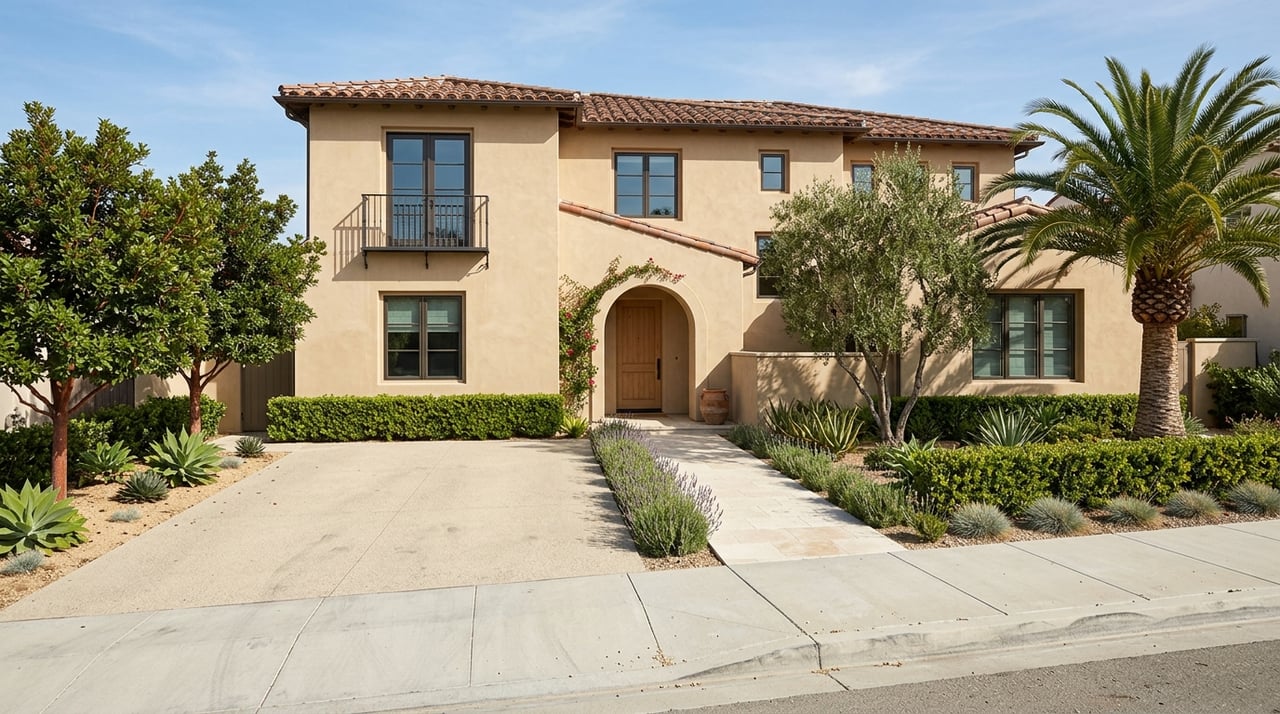
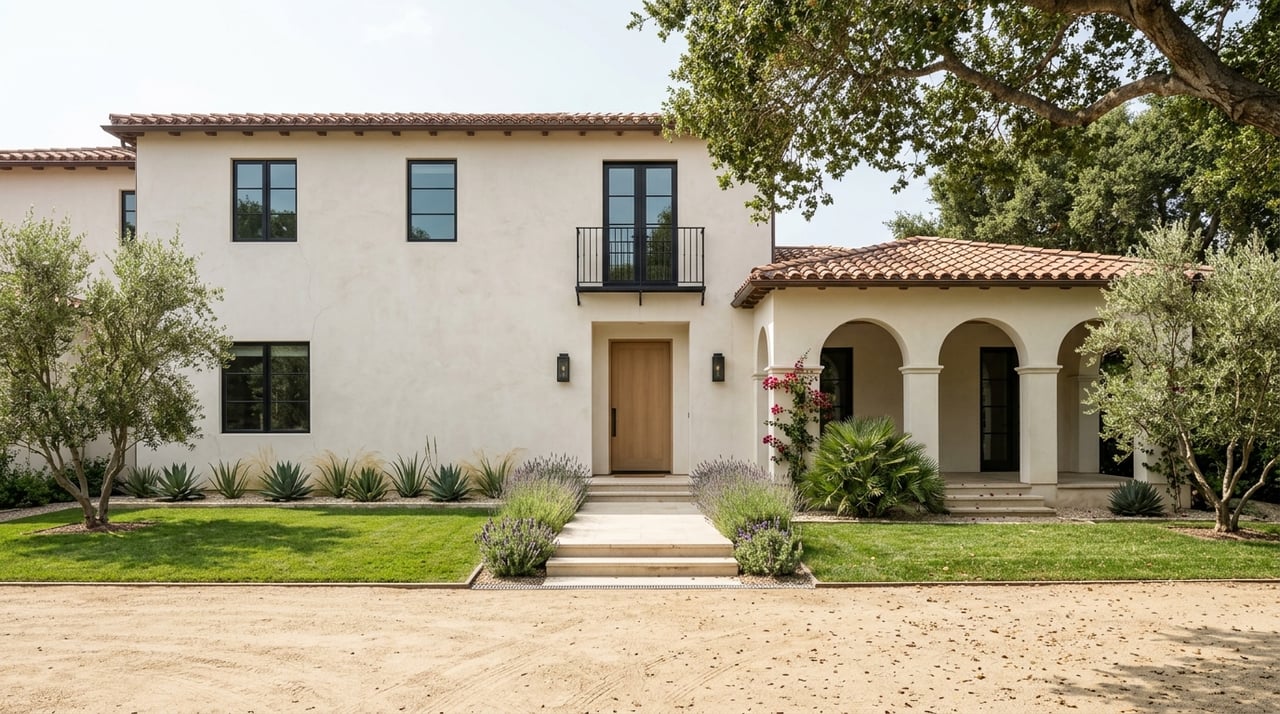
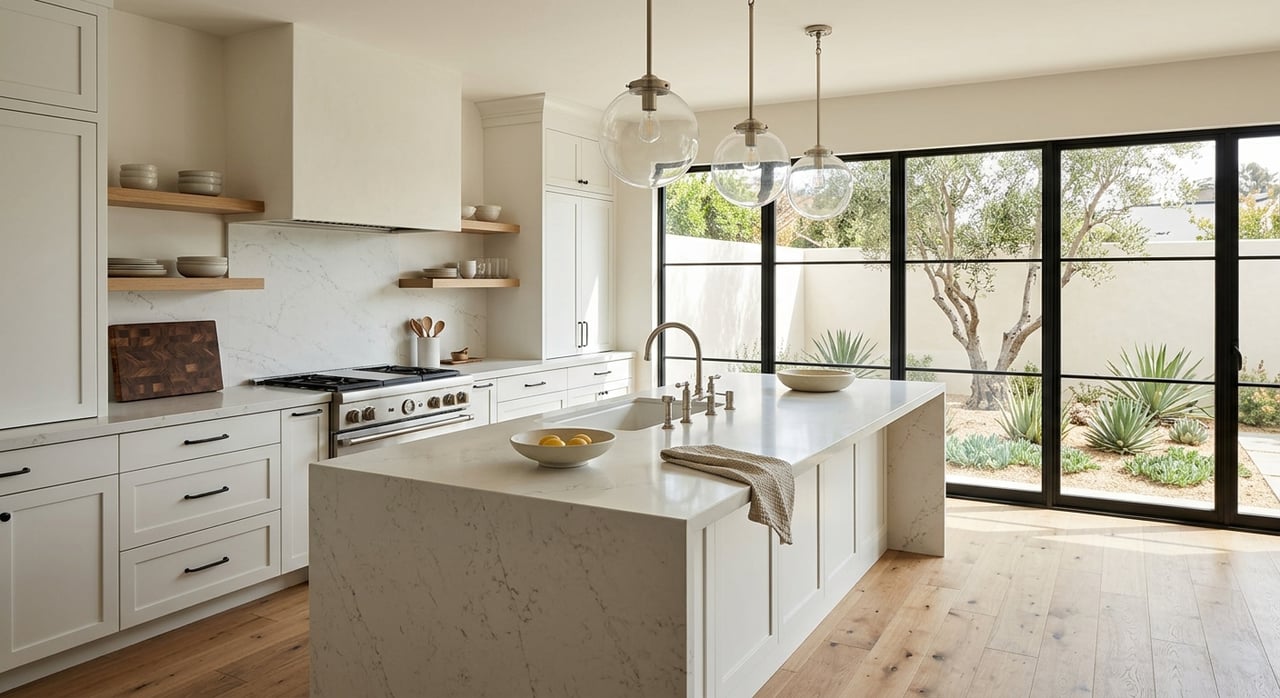
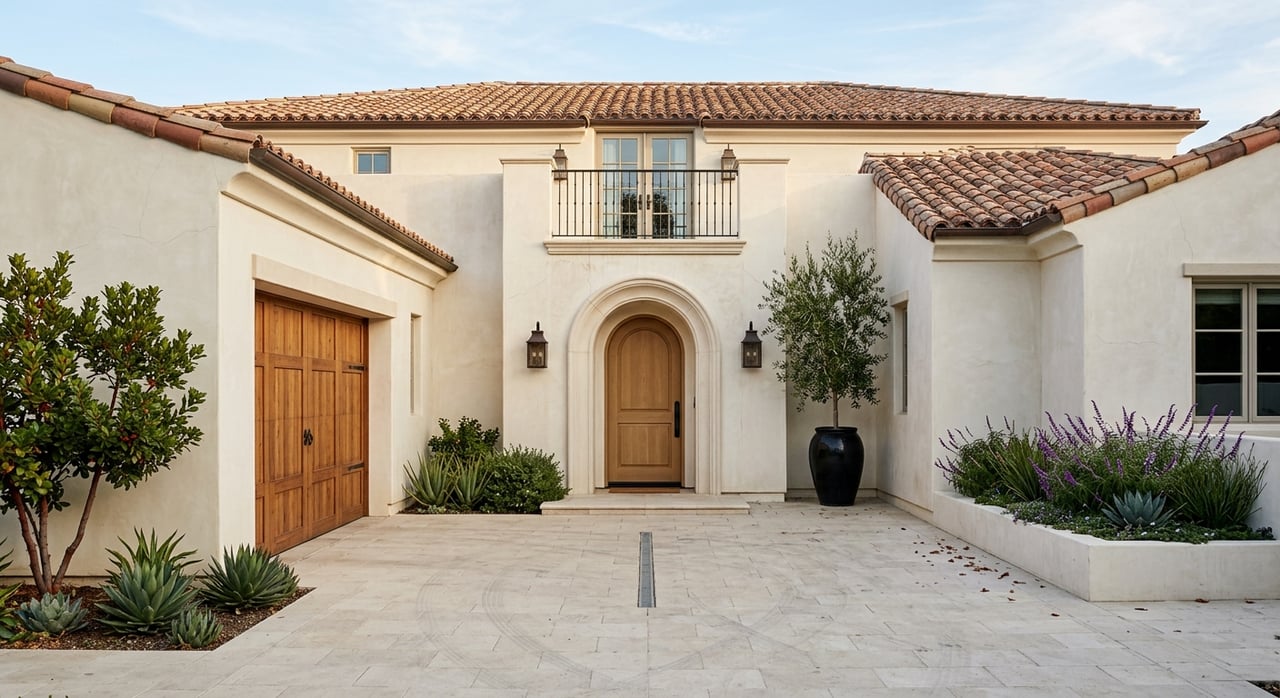
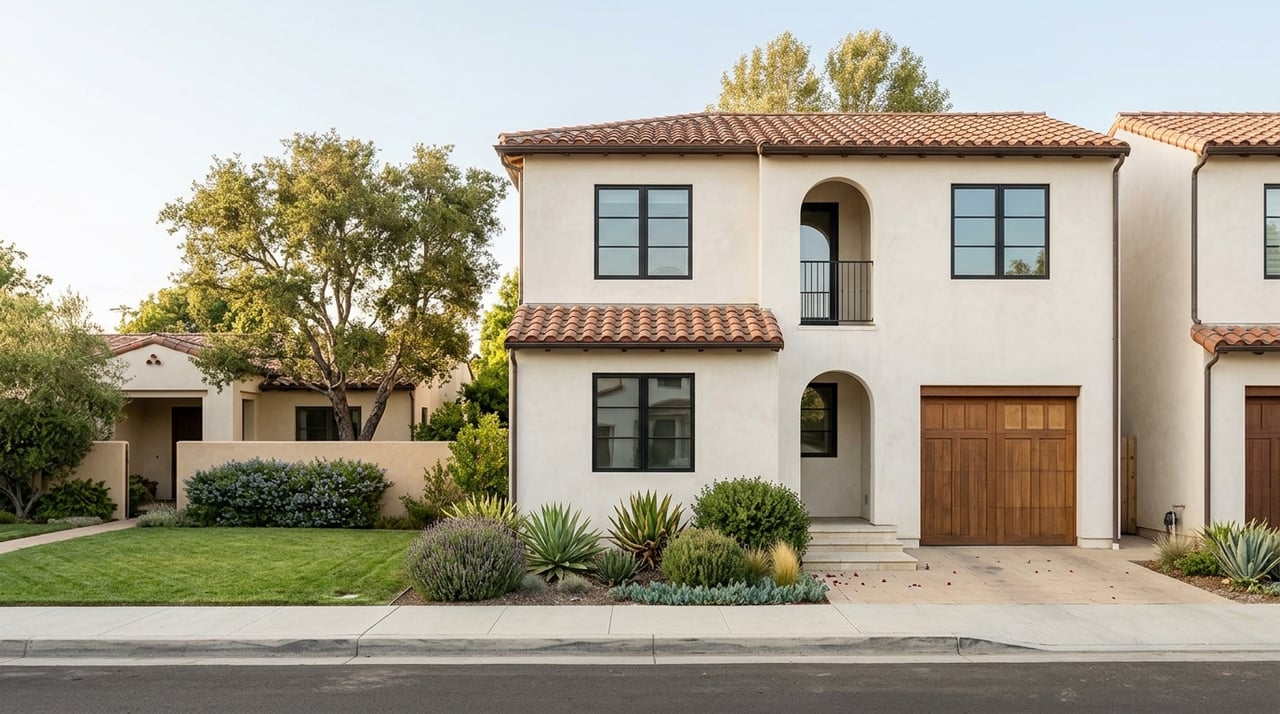
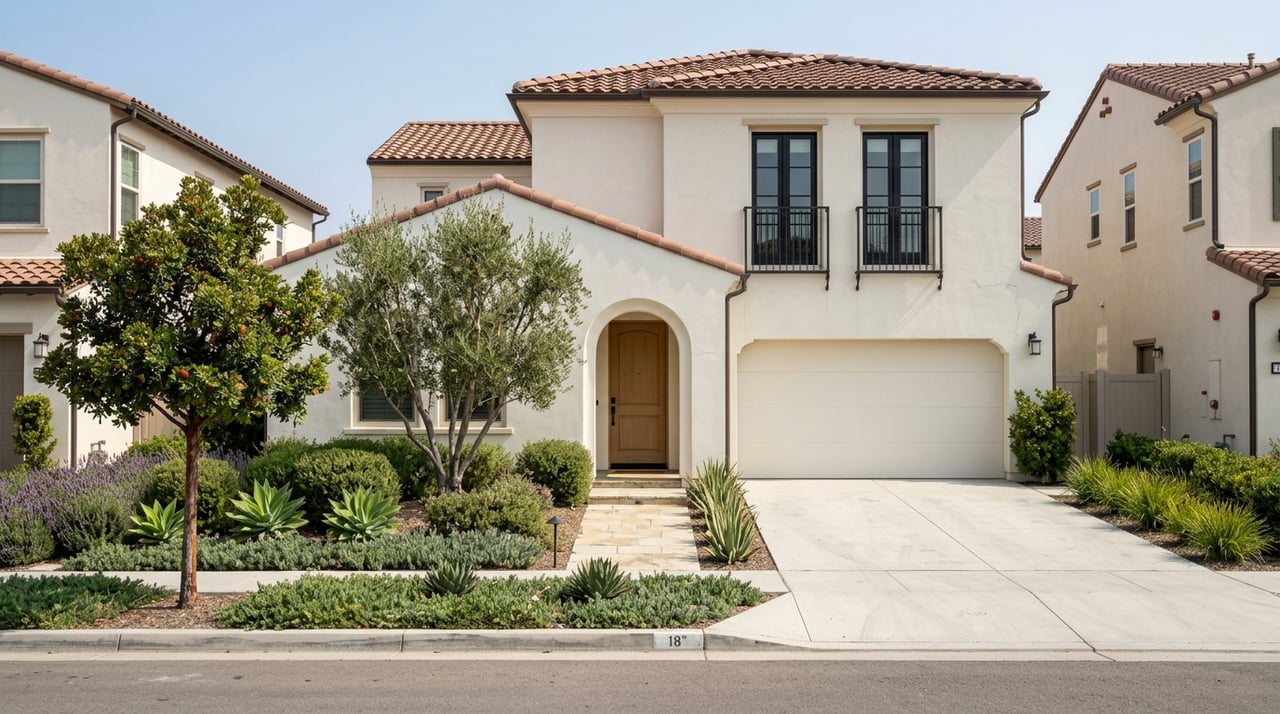
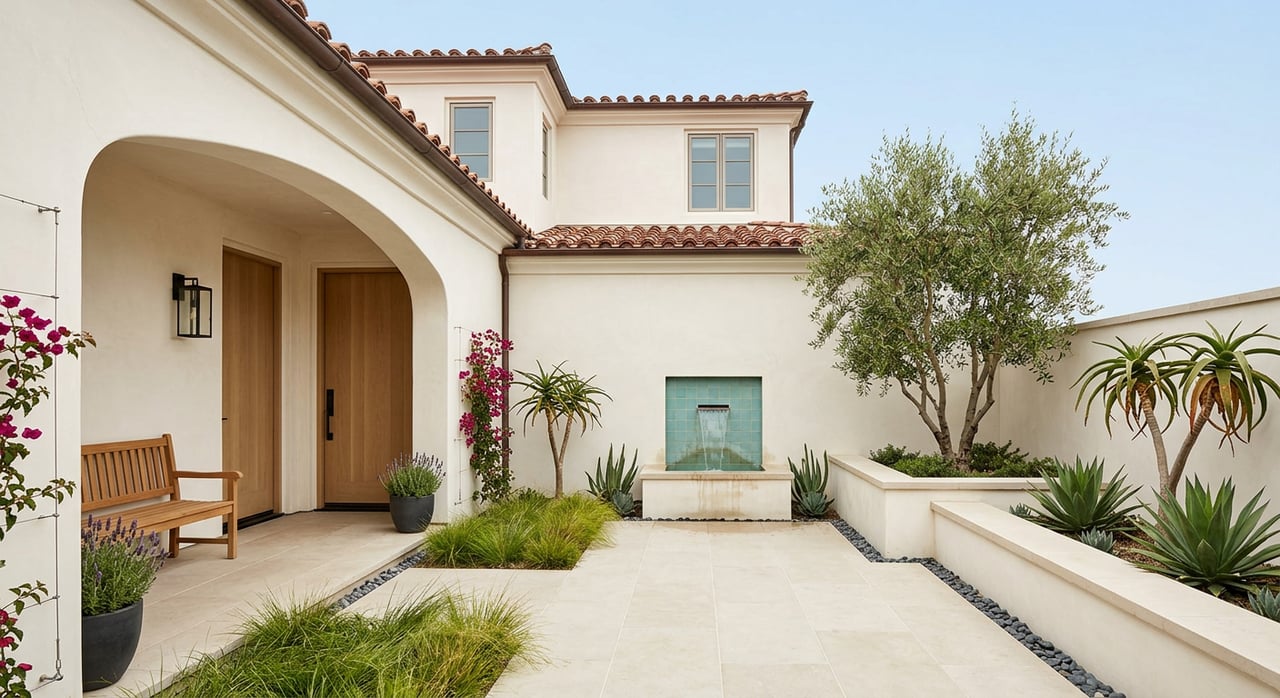
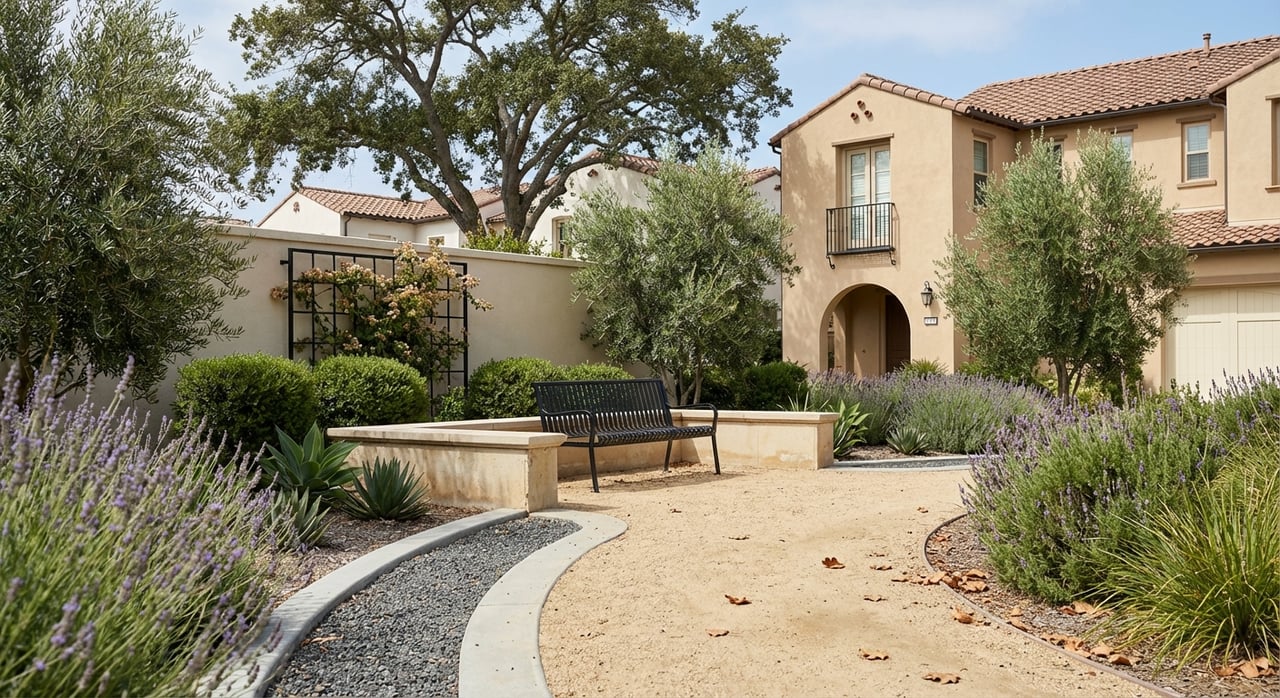
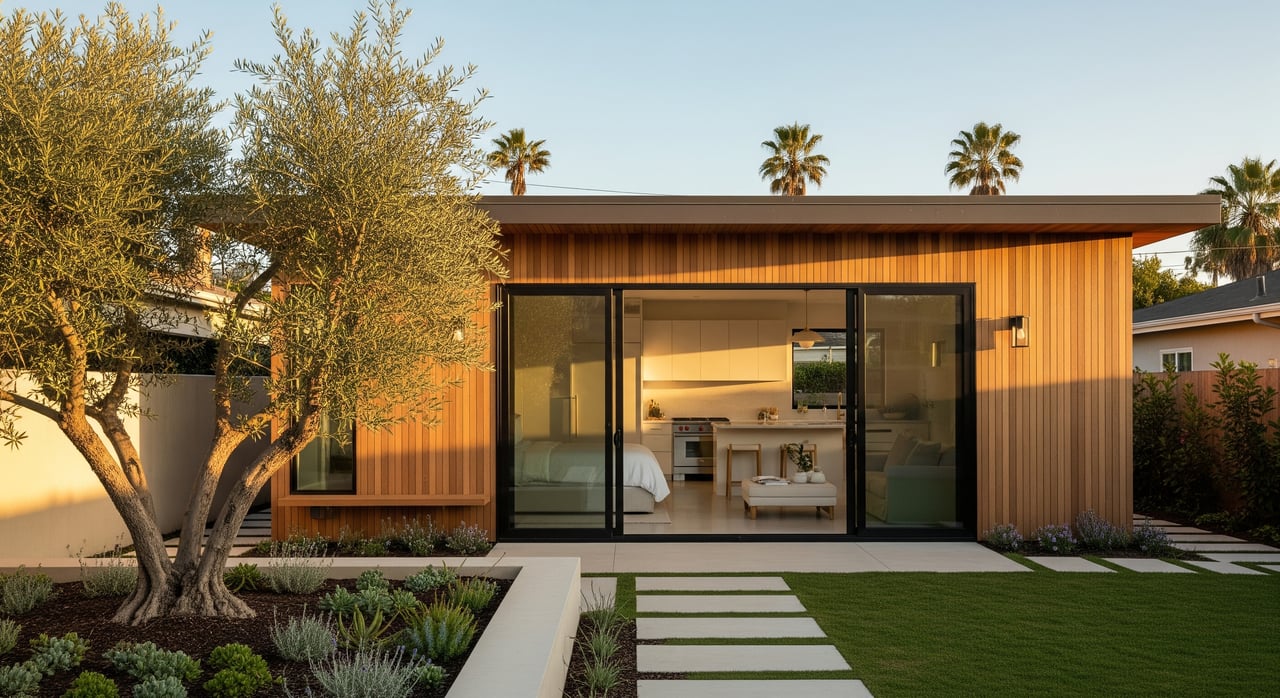
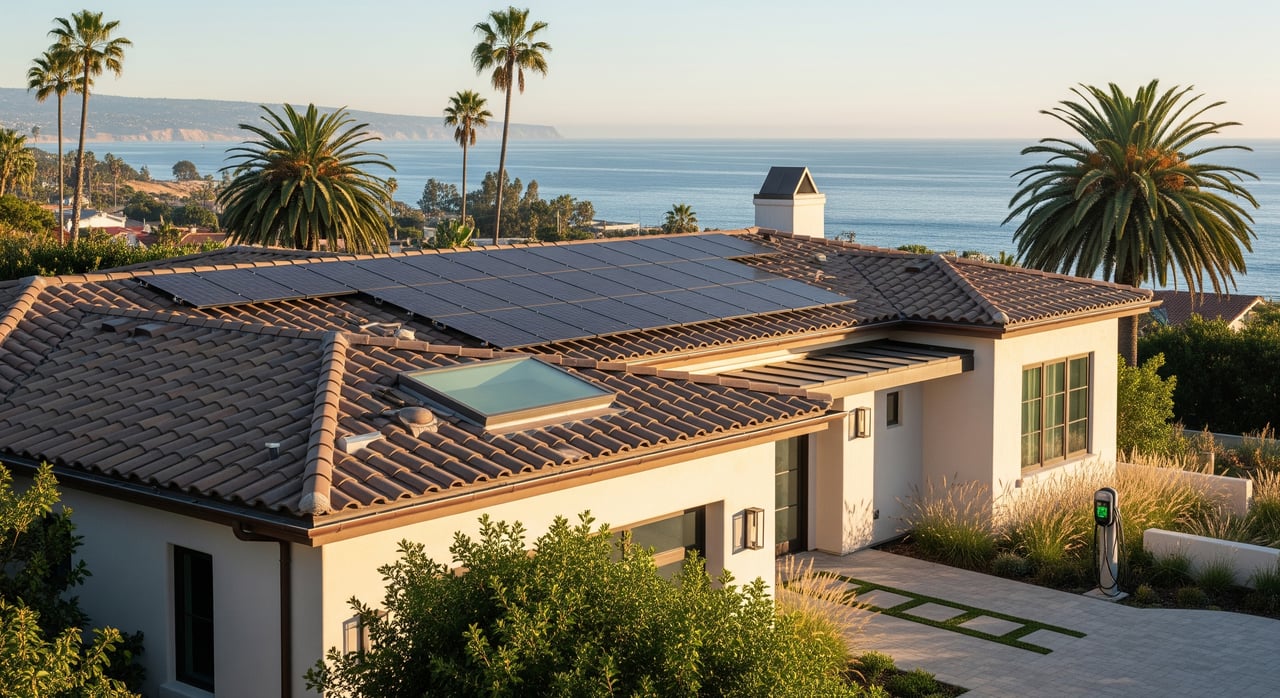
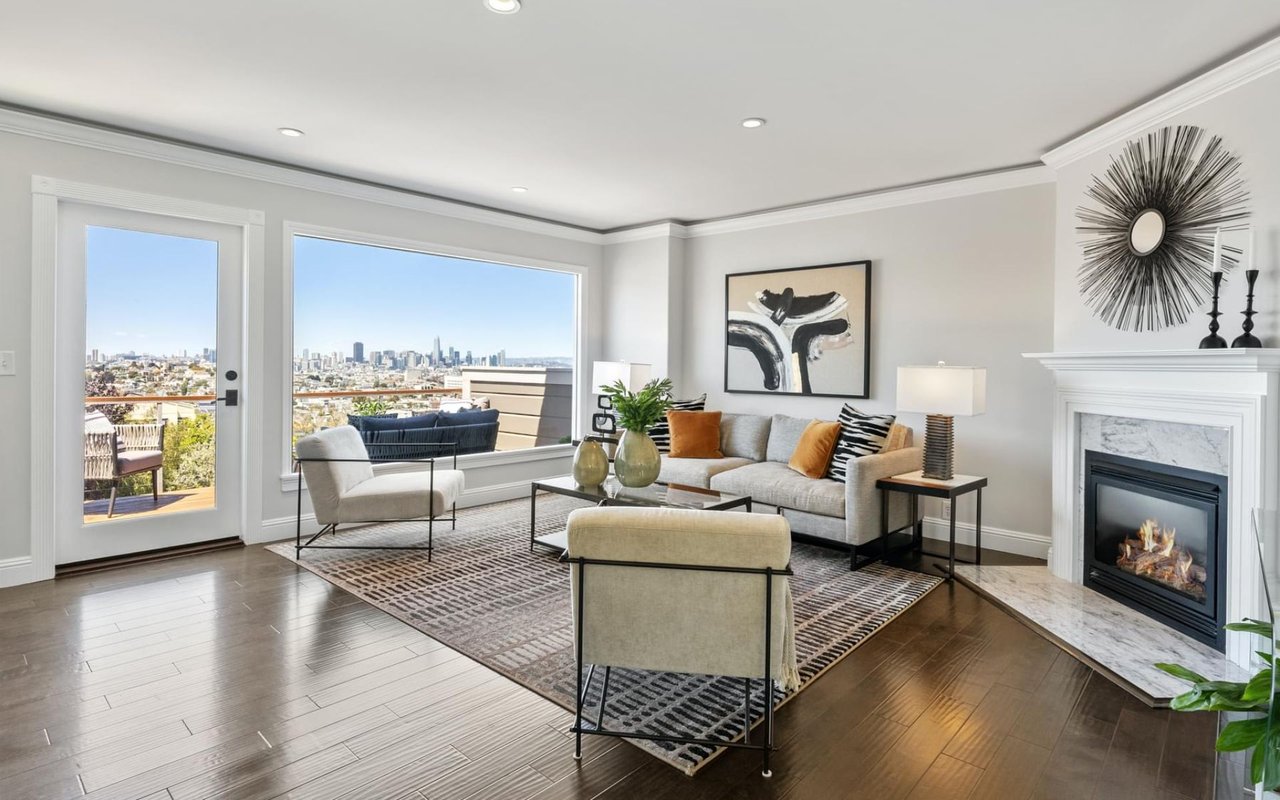
If you picture coastal housing in Solana Beach as one type of classic beachfront home, the reality is more varied. The city’s Housing Element says single-family homes are permitted in all residential zones, and multi-family housing includes apartment houses, townhomes, and condos.
That mixed housing pattern is a big part of the market near the water. Depending on your goals, you may find detached homes, attached residences, or condo-style communities in the coastal area.
Topography shapes the housing pattern
The city’s Local Coastal Program points to a shoreline shaped by bluffs, narrow beaches, steep coastal features, and limited lateral access. As a result, homes closest to the water are influenced by topography and access patterns rather than wide, flat beachfront lots.
That is one reason Solana Beach can feel different from what some buyers expect. Near-water living here is often more about proximity, views, and access than about owning a broad stretch of level oceanfront land.
Views and location matter
The coastal plan also references a mix of private access points and public easements connected to condo communities and coastal residential areas. That supports a practical takeaway for buyers: some of the most desirable homes near the water may stand out for how close they are to beach access, the Coastal Rail Trail, Cedros, or ocean views.
In other words, value near the water in Solana Beach is often tied to lifestyle efficiency. Being able to step into a walkable coastal routine can matter just as much as lot size.
What to keep in mind as a buyer
If you are considering a home near the water in Solana Beach, it helps to think beyond the idea of “beachfront.” In this market, your day-to-day experience may depend on which access point you use most, how important walkability is to you, and whether you want easy parking or quieter surroundings.
A few smart questions to ask yourself include:
- Do you want the amenities and activity around Fletcher Cove?
- Would you rather be near a quieter access point like Tide Beach Park or Del Mar Shores?
- Is walkability to Cedros Avenue or Highway 101 a priority?
- Do you want a detached home, townhome, or condo-style property?
- How important are ocean views versus direct access convenience?
These are the kinds of details that can make one block or micro-location feel very different from another. In a compact coastal city like Solana Beach, small differences often shape your lifestyle in a big way.
If you are exploring homes in Solana Beach and want guidance on how different coastal pockets live day to day, Shay Realtors® can help you compare options with a local, practical lens.
FAQs
What is beach access like in Solana Beach?
- Beach access in Solana Beach is organized around specific stairways and a ramp at four main public beach areas rather than one continuous shoreline walkway.
What beach area in Solana Beach has the most amenities?
- Fletcher Cove has the most amenities, including a public parking lot, free street parking, restrooms, showers, picnic tables, a basketball court, and year-round lifeguards.
Is Solana Beach walkable near the water?
- Yes, walkability is strongest around Cedros Avenue, Historic Highway 101, and the Coastal Rail Trail, where you can access shops, local events, and transit.
Is parking hard near Solana Beach beaches?
- Parking is generally adequate citywide according to the city’s coastal plan, but it varies by beach access point and can feel tighter in summer and on weekends.
What types of homes are near the water in Solana Beach?
- Homes near the water in Solana Beach include single-family homes, condos, townhomes, and other multi-family housing types.
Does Solana Beach feel busy only in summer?
- No, Solana Beach has a seasonal summer peak, but the city also hosts events throughout the year and functions as a year-round residential community.