Thinking about a move to North San Diego and wondering what everyday life actually feels like once the boxes are unpacked? That is one of the biggest questions relocation buyers face, especially when you are trying to picture more than just a home and need to understand your routine, commute, weather, and weekends. In North San Diego, daily life often centers on planned neighborhoods, parks, trails, errands by car, and easy access to both inland conveniences and the coast. Let’s dive in.
What Daily Life Feels Like in North San Diego
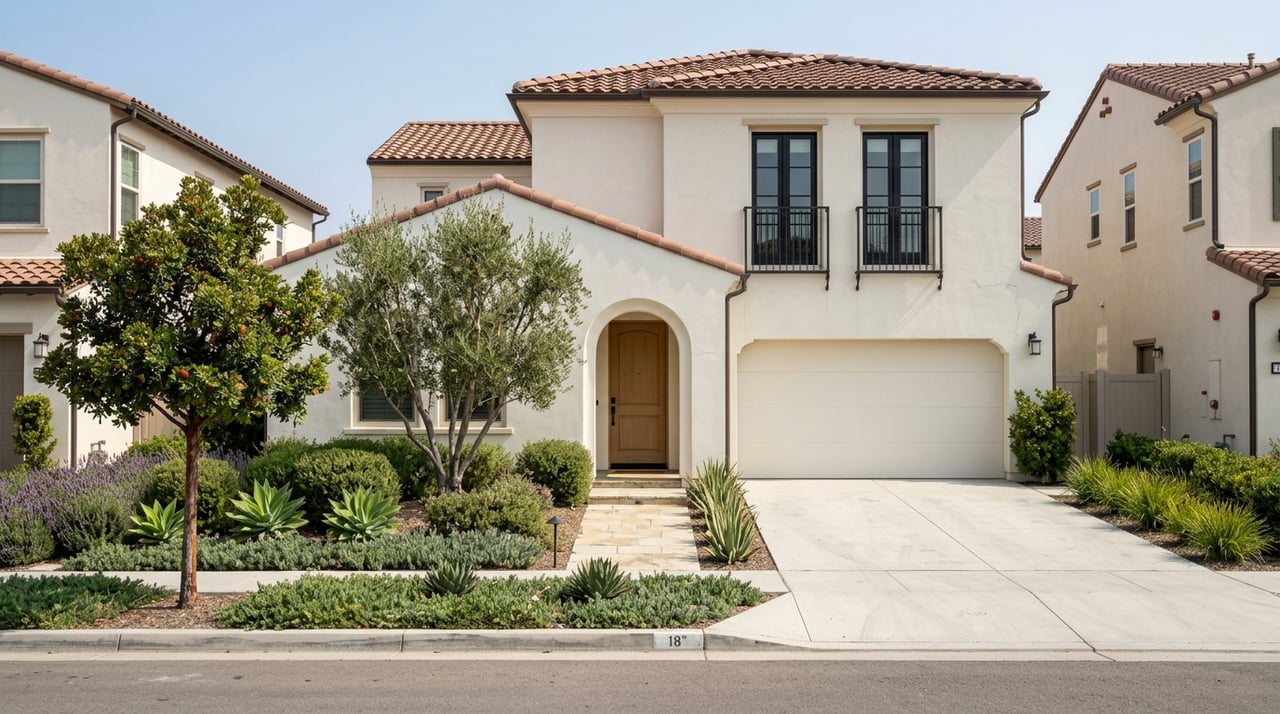
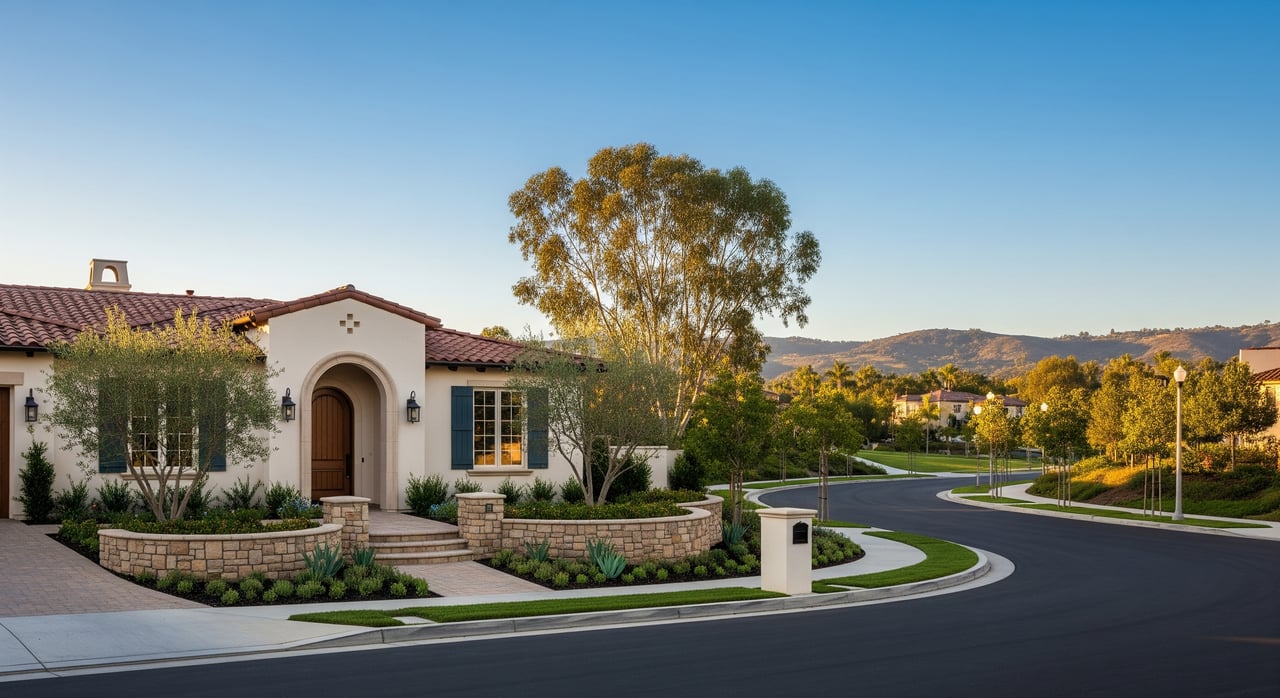
If you are relocating to the 92127 area and nearby North San Diego communities, expect a lifestyle that feels organized, residential, and open rather than dense and urban. City and county planning documents describe this part of the region as a collection of master-planned communities with homes, parks, open space, schools, and selected commercial areas.
In practical terms, that usually means your day is shaped by school drop-offs, grocery runs, recreation centers, neighborhood amenities, and trail access. You are less likely to live in a place where every errand happens on foot, and more likely to live in a community where convenience comes from thoughtful planning and nearby services.
Master-Planned Communities Shape the Rhythm
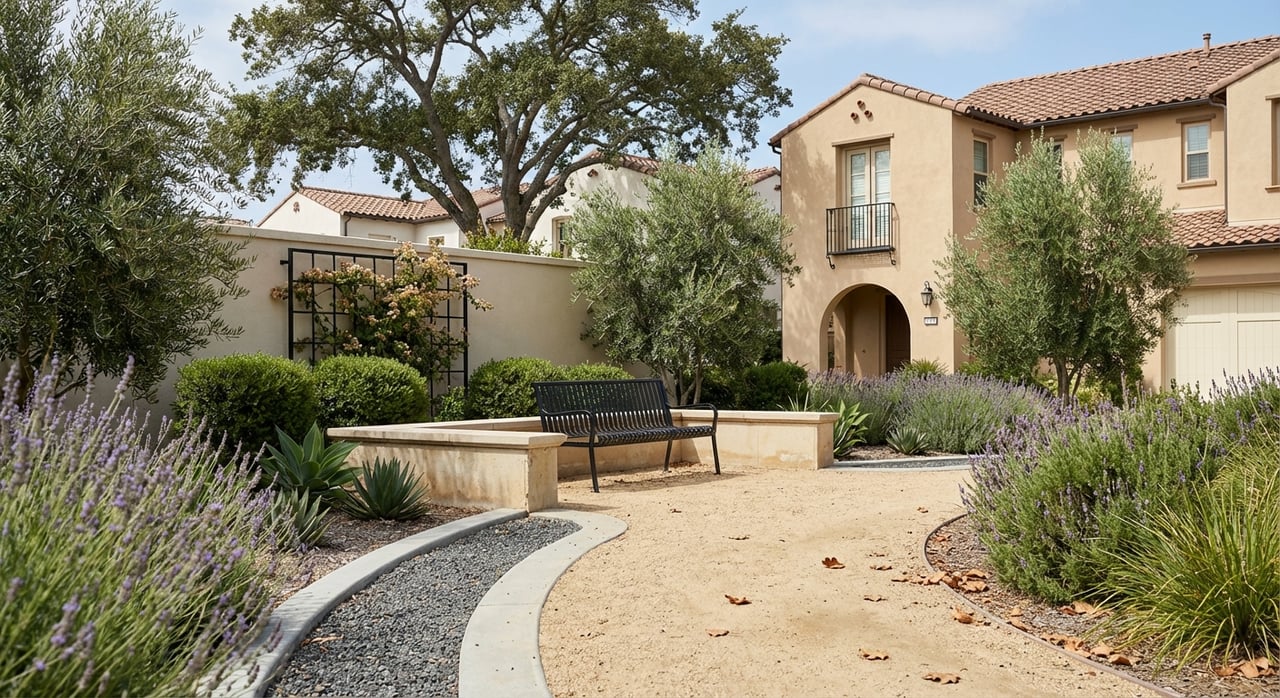
Rancho Bernardo, which sits farther north along I-15, is described by the City of San Diego as a master-planned residential community with private parks and clubs for each neighborhood. That structure gives many parts of North San Diego a distinct rhythm, with community amenities woven into daily life.
Black Mountain Ranch, which includes Del Sur and Santaluz, adds even more of that planned feel. The city says two out of every three acres there are parks or open space, which helps explain why so many residents build outdoor time into ordinary weekdays, not just weekends.
Nearby Communities Offer Different Lifestyles
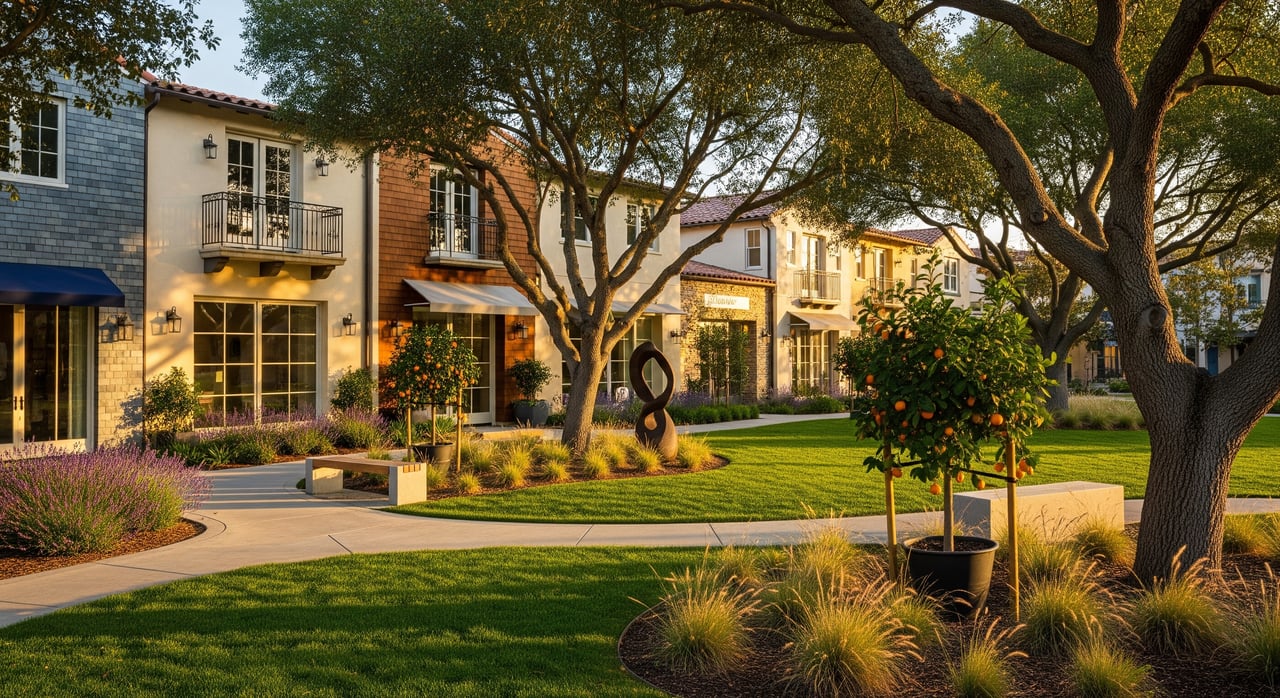
Not every North San Diego community feels exactly the same. Carmel Valley, for example, combines homes with offices, hotels, shopping, restaurants, parks, and trails along the I-5 corridor, while Pacific Highlands Ranch is built around a village center with walkable streets, shopping, dining, entertainment, and about half its land preserved as open space.
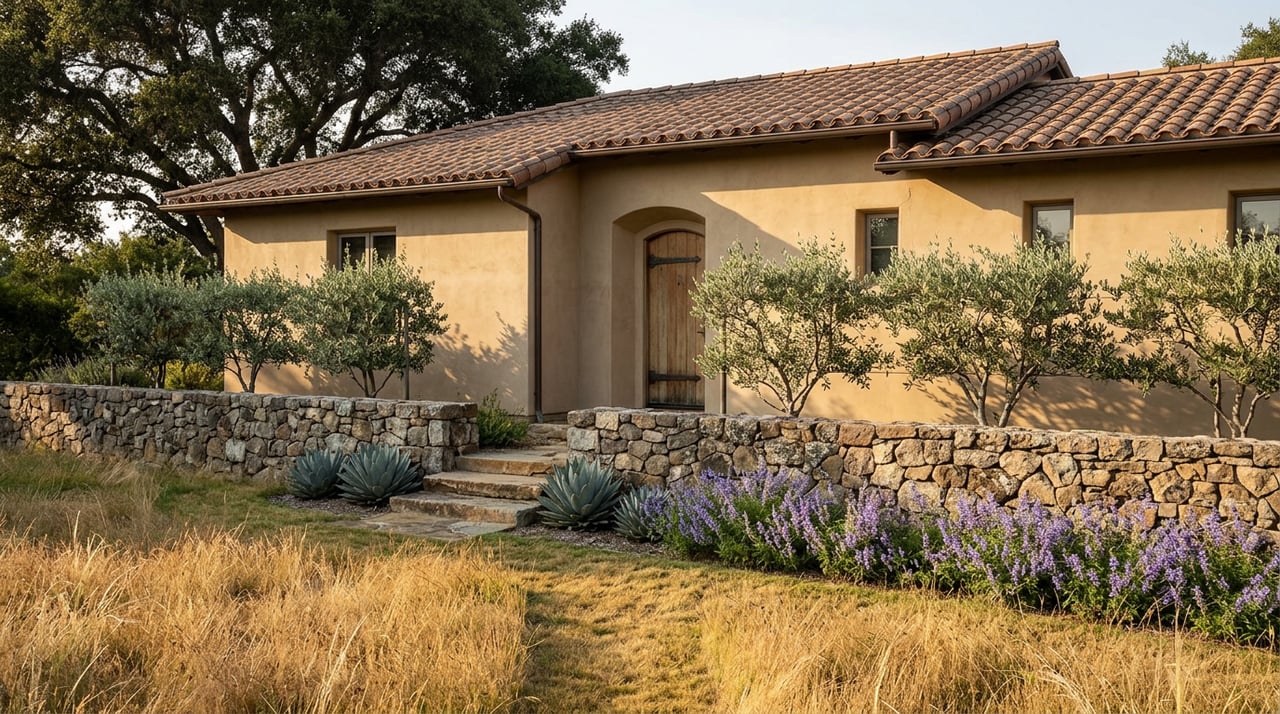
Del Mar Mesa feels quieter and more rural, with equestrian, biking, and hiking trails and a smaller number of homes in its core development. If you are comparing areas, the biggest day-to-day differences often come down to how close you want to be to coastal access, retail centers, and a more walkable village-style layout.
Getting Around: A Car-First Region
One of the most important relocation realities to understand is that North San Diego is still largely car-oriented. San Diego County’s mean travel time to work is 25.5 minutes, and SANDAG reports that more than 80% of workers commute by personal vehicle.
That does not mean traffic defines every day, but it does mean your location matters. When you choose a home in 92127 or a nearby North County community, you are often balancing home style, neighborhood layout, and access to the freeway corridors you will use most.
What Commutes Usually Look Like
Regional commute conditions have improved somewhat. SANDAG’s 2024 State of the Commute reports that peak-period travel times on major highways decreased by 5% from 2023 to 2024.
For many households, though, the bigger question is not the regional average but your own route. If your work, appointments, or regular activities pull you toward UTC, downtown, or coastal job centers, it helps to understand early on how often you will rely on I-15, I-5, or connecting east-west roads.
Where Transit Can Still Help
Transit is available, but in most cases it works best for specific trips rather than as a full replacement for driving. The UC San Diego Blue Line serves UTC, Old Town, Little Italy, Downtown, South Bay, and the border every 7.5 to 15 minutes daily, and the UTC Transit Center includes 333 parking spaces.
That setup can be helpful if you want to drive to a transit hub and continue by trolley for certain destinations. Regional rail connections through the LOSSAN corridor also support trips tied to COASTER, SPRINTER, and Amtrak Pacific Surfliner service.
North San Diego Weather: Expect Microclimates
San Diego’s climate is one of the region’s biggest draws, but local weather can change more than many newcomers expect. NOAA describes the area as moderated by the Pacific Ocean, with cool summers and warm winters compared with many places at the same latitude.
A few miles inland, though, temperatures can shift noticeably. NOAA notes that the daily temperature range can widen by 30 degrees or more as you move away from the coast, and rainfall also tends to increase with elevation and distance inland.
Inland Areas Run Warmer Than the Coast
If you are moving to 92127, you will usually feel warmer afternoons and larger day-to-night swings than someone living right by the water. That does not mean extreme inland heat, but it does mean you should expect a different pattern than the cool, marine-influenced beach neighborhoods.
The contrast shows up clearly in climate normals. San Diego Lindbergh has a July mean maximum of 75.3°F, while inland Ramona AP reaches 88.9°F. January mean minimums also differ sharply, at 50.3°F for Lindbergh and 36.5°F for Ramona AP.
Marine Layer Still Affects the Region
NOAA also explains that morning and evening low clouds are tied to the marine layer, and coastal eddies can keep fog and cloud cover in place well into the afternoon. In everyday terms, the coast may start gray and cool while inland neighborhoods clear sooner and warm up faster.
That matters if you are choosing between coastal and inland North San Diego living. Even when two communities are not very far apart on the map, your morning routine, afternoon outdoor plans, and evening temperatures can feel quite different.
Housing Patterns and Neighborhood Setup
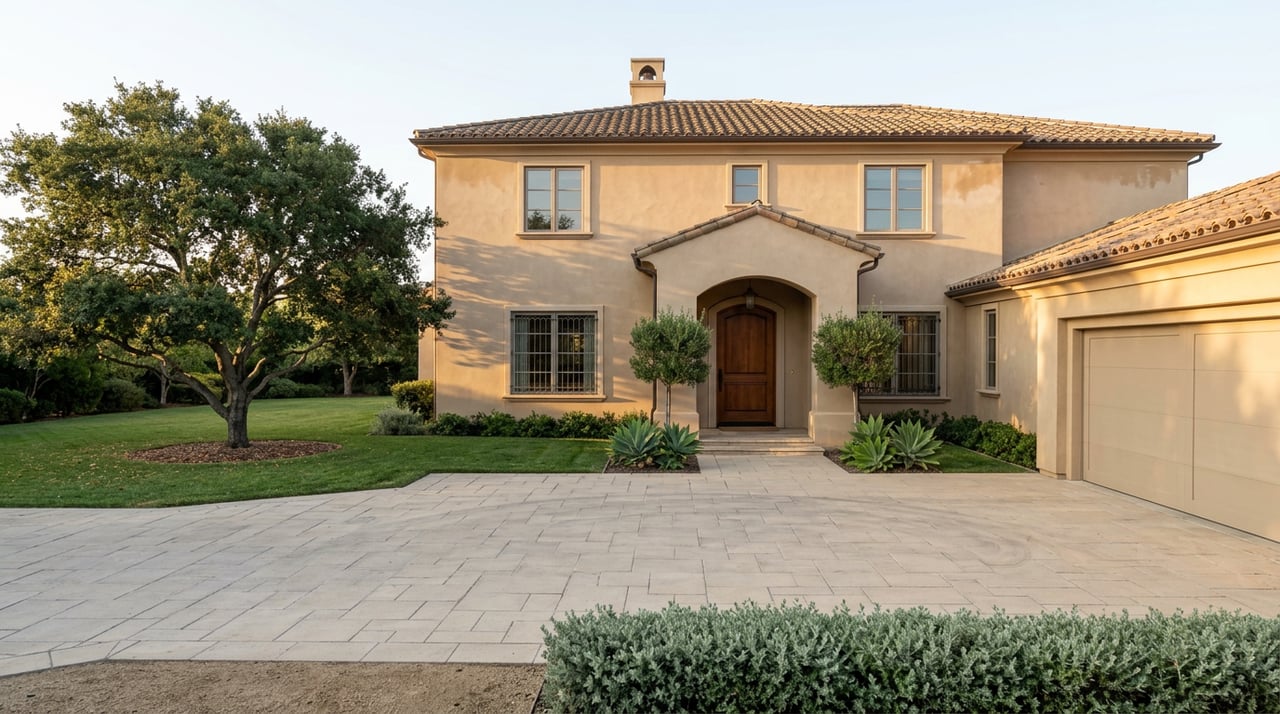
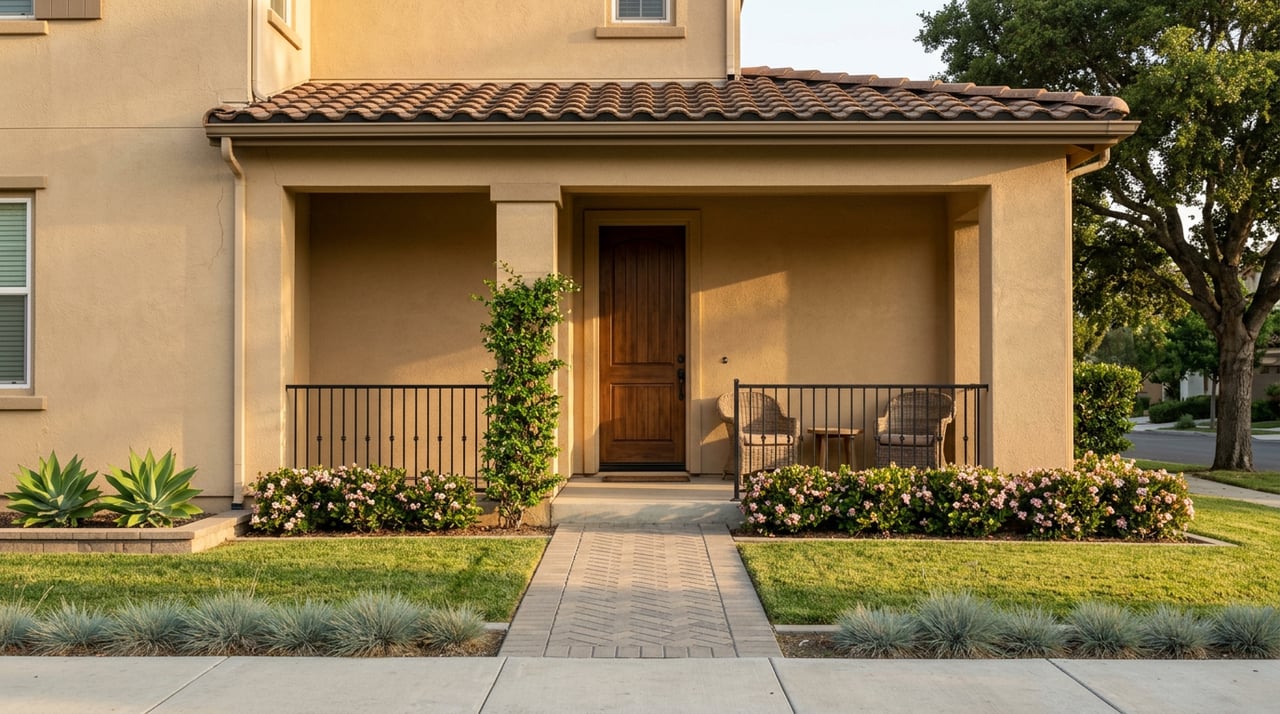
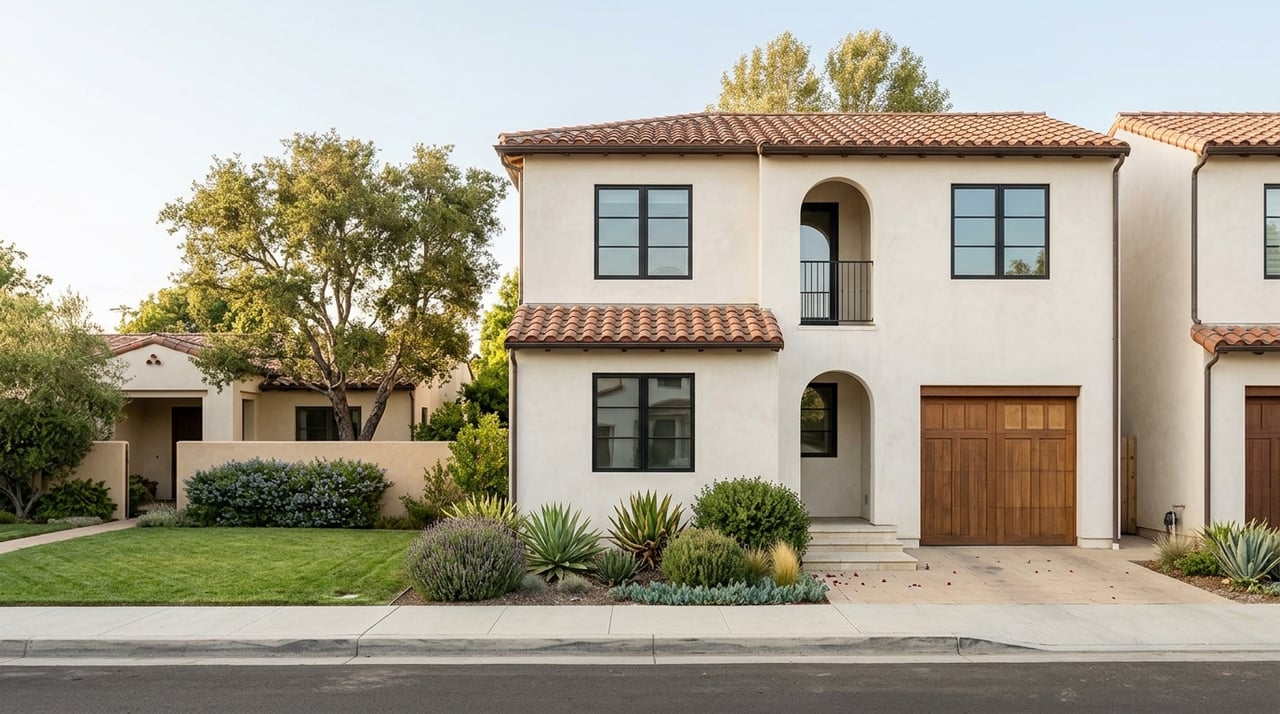
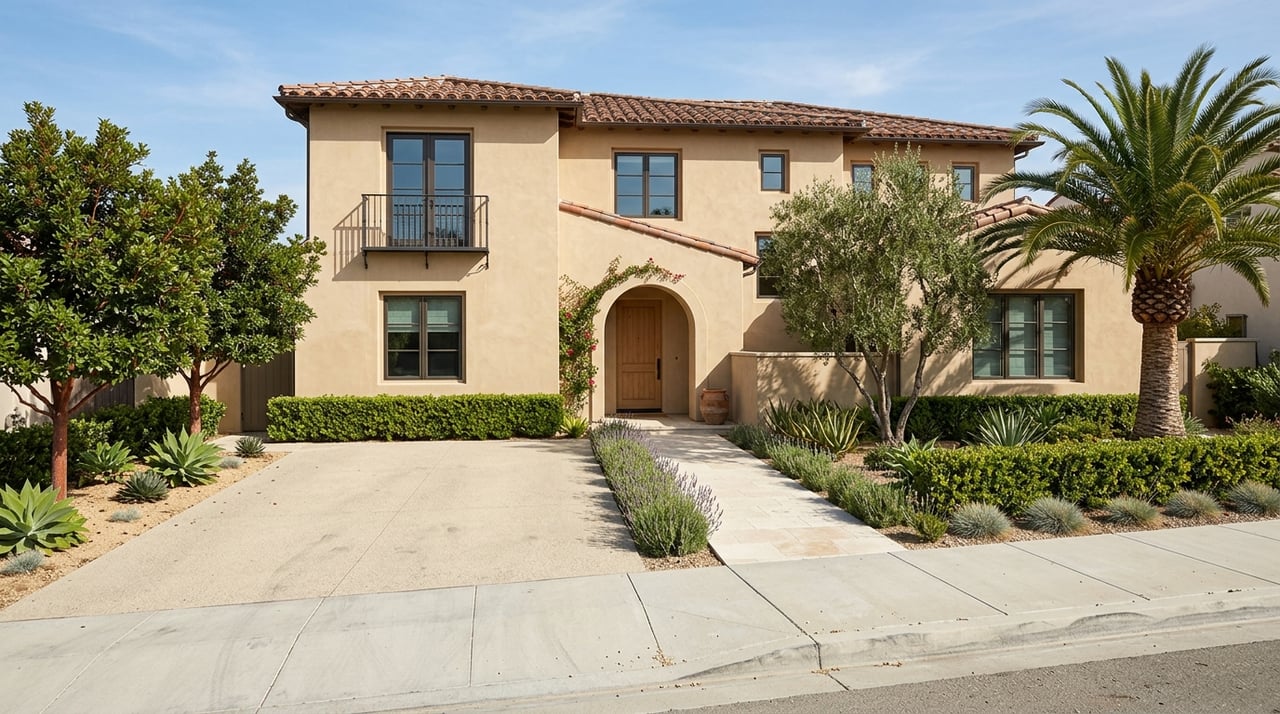
North San Diego offers a mix of community layouts, but much of the 92127 corridor is built around suburban residential living with amenities nearby. The 4S Ranch Specific Plan Area is described by the County of San Diego as a compact, integrated development with residential, commercial, civic, park, and open-space uses.
The county also notes that most of the residential development there is intended to be detached single-family homes, with a central mixed-use district and more intensive density near the core. For relocation buyers, that often translates into neighborhoods where you have access to parks, shopping, and gathering spaces without giving up a more traditional residential setting.
Amenities Are Part of the Lifestyle
Black Mountain Ranch is similarly planned for residential uses alongside parks, open space, schools, commercial, and employment uses. That blend helps explain why these neighborhoods tend to feel amenity-rich instead of purely commuter-oriented.
In nearby Pacific Highlands Ranch, the village center creates a different experience with a more walkable cluster of shopping, restaurants, and entertainment. Del Mar Mesa goes in the other direction, offering a more country-like feel with fewer homes and extensive trail access.
Weekends Often Happen Outdoors
If you are picturing what free time looks like in North San Diego, the short answer is this: a lot of people spend it outside. The region’s planning, parks, and open space make outdoor recreation part of ordinary life, not just a once-in-a-while event.
That can mean a morning trail walk, an afternoon at a sports complex, or a quick drive to the beach. One reason relocation buyers are drawn to this area is that you can build a very active routine without needing to travel far.
Trails, Preserves, and Open Space
Los Peñasquitos Canyon Preserve stretches about 7 miles and covers about 4,000 acres, with more than 500 plant species and more than 175 bird types. Black Mountain Park adds a 2.5-mile dirt trail to the summit, while Torrey Pines State Natural Reserve is known for hiking and for the nation’s rarest pine tree.
These places help define the region’s weekend rhythm. Even if you work a full schedule, you are close to trail systems and open space that make it easy to fit in outdoor time before breakfast, after work, or on a relaxed Sunday.
Beaches Are Close, But Usually a Drive
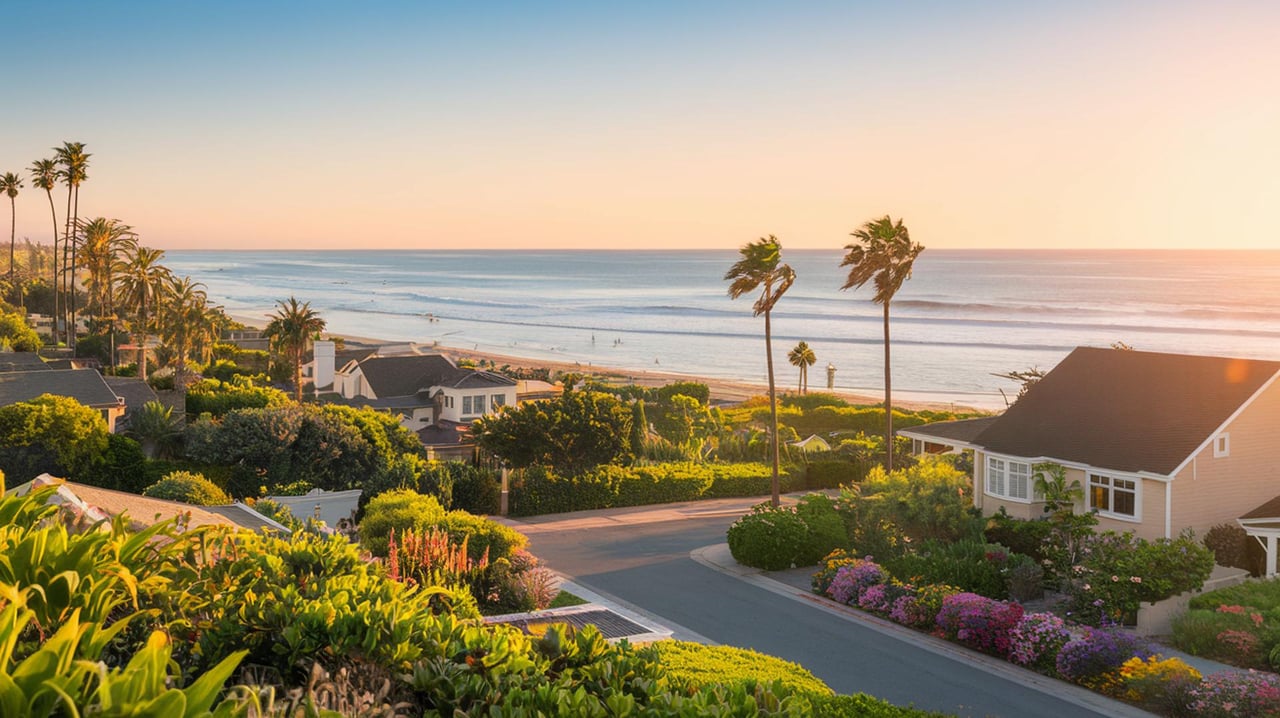
North San Diego also keeps you within reach of the coast. San Diego’s beach system includes 17 miles of coastline, with major beach access in places like La Jolla, Pacific Beach, and Mission Beach.
For many inland North County residents, beach access is convenient but not walkable. Pacific Highlands Ranch, for example, lists Del Mar Beach and Torrey Pines State Beach as about 5 miles away, which is a helpful reminder that coastal outings are often a short drive rather than part of a daily on-foot routine.
Sports and Recreation Are Built In
Community recreation is another major part of weekly life. The 4S Ranch Sports Complex includes six baseball or softball fields, six soccer or multipurpose fields, two tennis courts, two basketball courts, a roller-hockey rink, playgrounds, and picnic areas.
Rancho Bernardo Community Park adds fields, tennis, a gym, and a senior center. If your household values active routines, organized sports, or easy access to public recreation spaces, these amenities can make a big difference in how settled you feel after a move.
How To Think About Your Move
When you relocate to North San Diego, the key is not just choosing a house. It is choosing the version of daily life that fits you best.
You may want the park-rich, residential feel of 92127, the village-style convenience of Pacific Highlands Ranch, the mixed-use accessibility of Carmel Valley, or the lower-key atmosphere of Del Mar Mesa. The right fit often comes down to your commute patterns, how much you value nearby open space, and whether you want to be closer to inland conveniences or the coast.
A local team can help you compare these tradeoffs in a practical way, especially if you are trying to make decisions from out of town. If you are planning a move and want guidance on neighborhoods, commute patterns, and the day-to-day feel of North San Diego, talk to Shay Realtors®.
FAQs
What is daily life like in North San Diego’s 92127 area?
- Daily life in the 92127 corridor is usually centered on planned neighborhoods, parks, open space, errands by car, recreation, and access to community amenities rather than a dense urban, walk-everywhere setup.
Is North San Diego a good fit if you want walkability?
- Some nearby communities, such as Pacific Highlands Ranch, offer more walkable village-style areas, but much of North San Diego and 92127 functions as a car-first region for everyday errands and commuting.
How long are commutes in San Diego County?
- San Diego County’s mean travel time to work is 25.5 minutes, though your real experience will depend on where you live, where you work, and which freeway corridors you use most often.
Can you use public transit from North San Diego?
- Transit can work well for targeted trips, especially when connecting through places like the UTC Transit Center and the UC San Diego Blue Line, but many households still rely primarily on personal vehicles.
What is the weather like when relocating to inland North San Diego?
- Inland North San Diego areas like 92127 generally feel warmer and have bigger day-to-night temperature swings than coastal neighborhoods, while still benefiting from San Diego’s overall mild climate.
Are beaches close to North San Diego communities?
- Yes, many North San Diego communities are a short drive from the coast, but beach access is usually something you drive to rather than walk to from inland neighborhoods.
What do weekends in North San Diego usually look like?
- Many residents spend weekends enjoying trails, preserves, parks, sports complexes, and beach outings, with outdoor recreation playing a major role in the local lifestyle.
What types of homes are common in the 92127 corridor?
- Planning documents for areas like 4S Ranch describe a housing pattern that is largely detached single-family residential, supported by parks, civic uses, commercial areas, and open space.