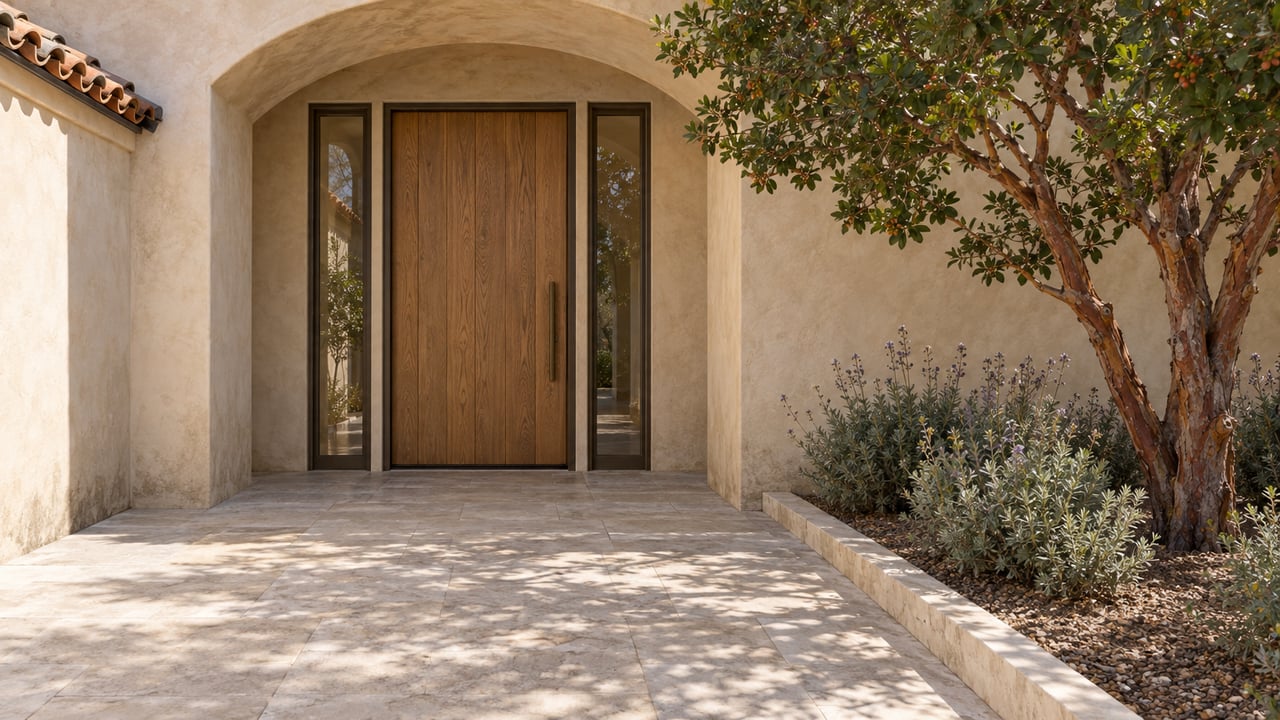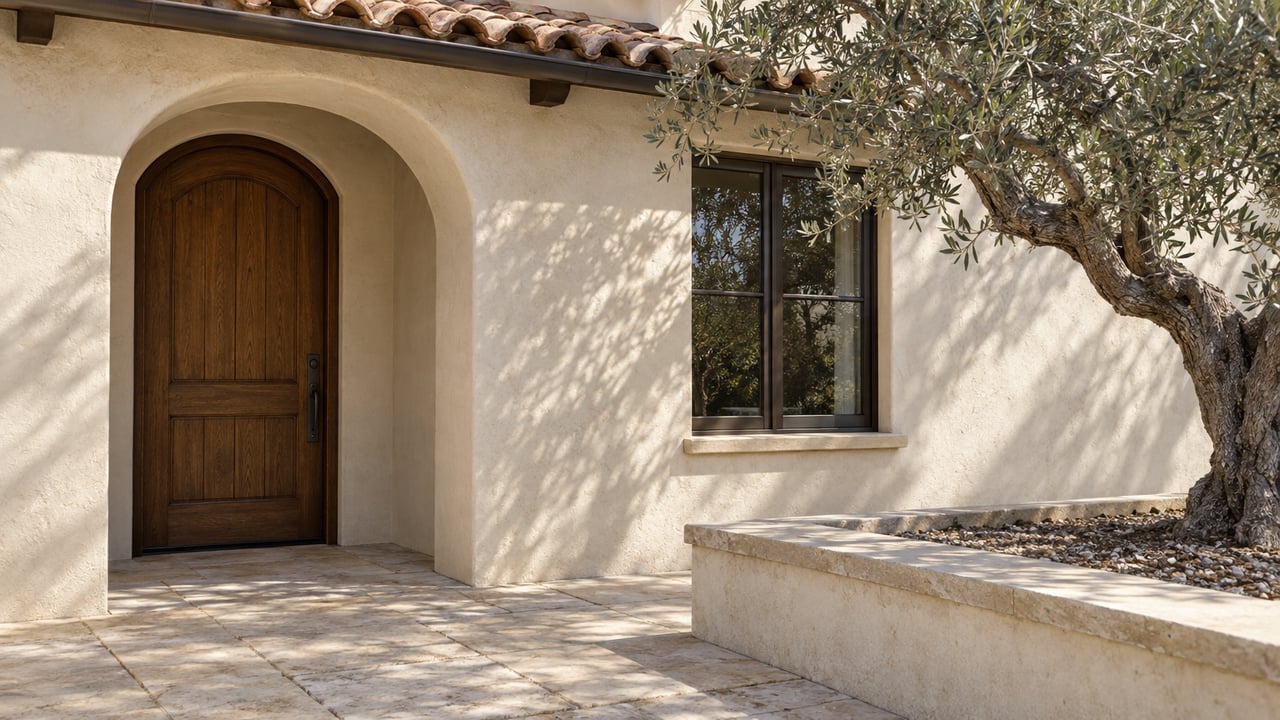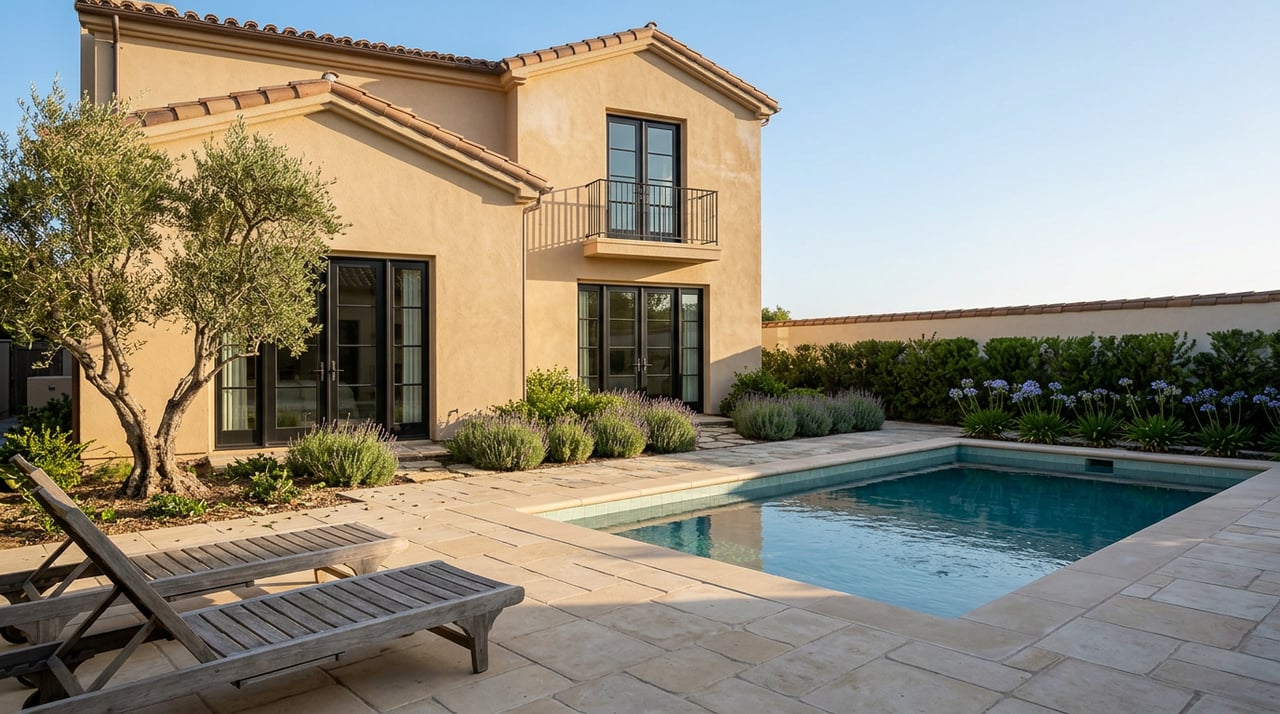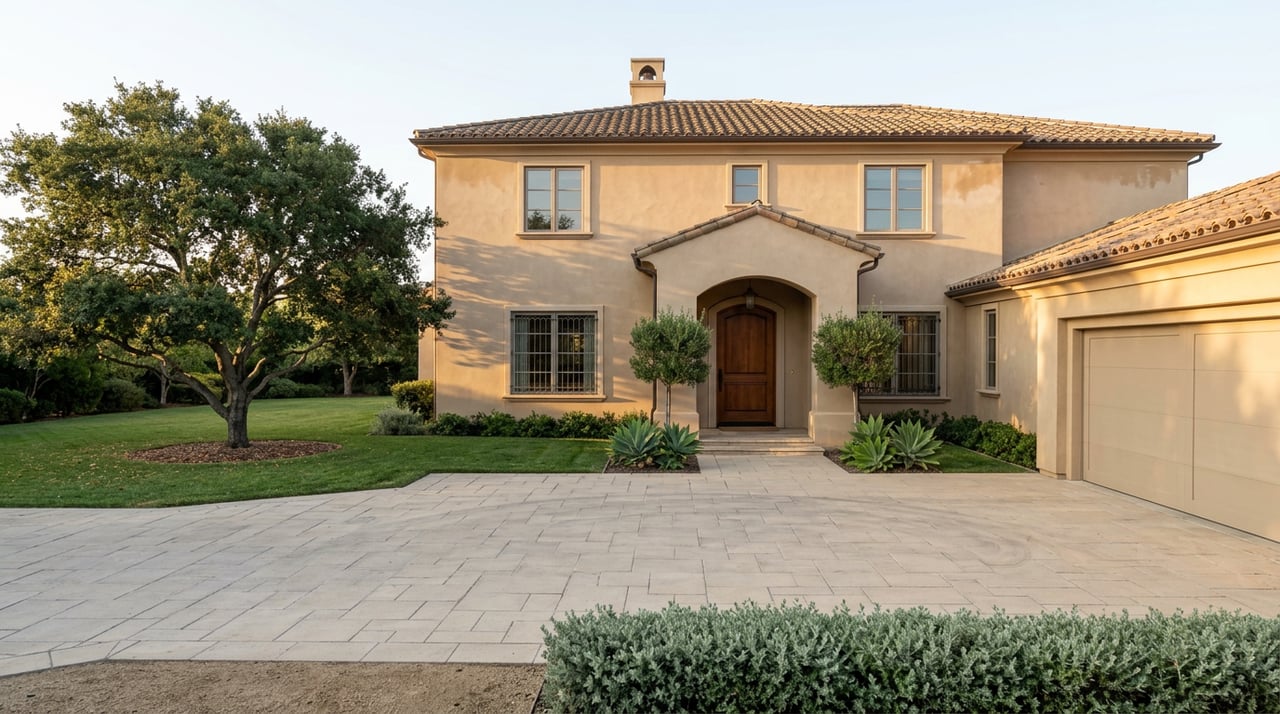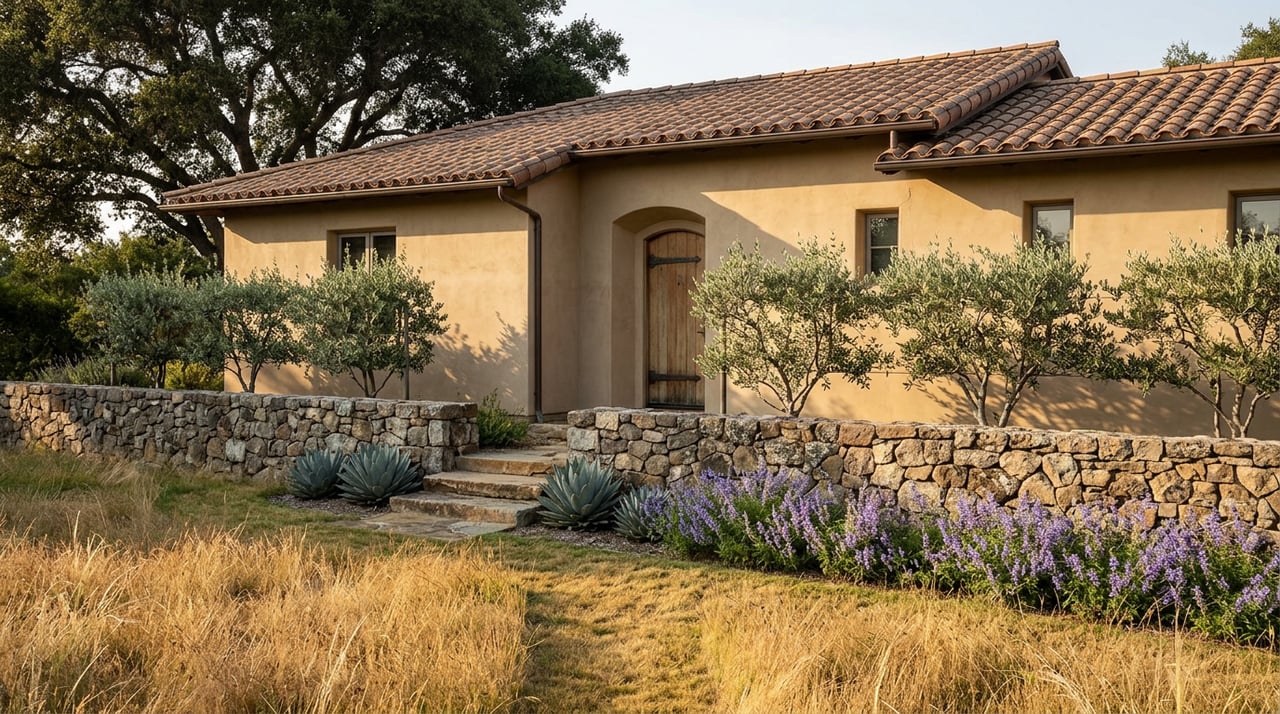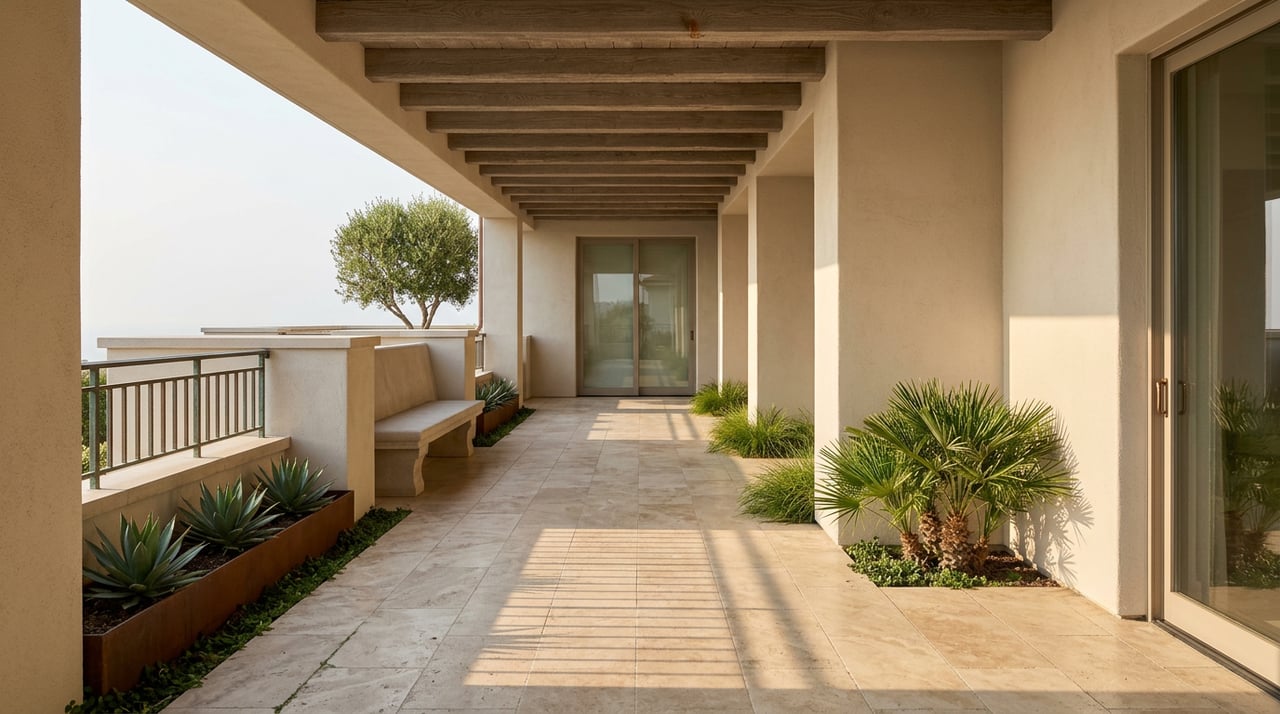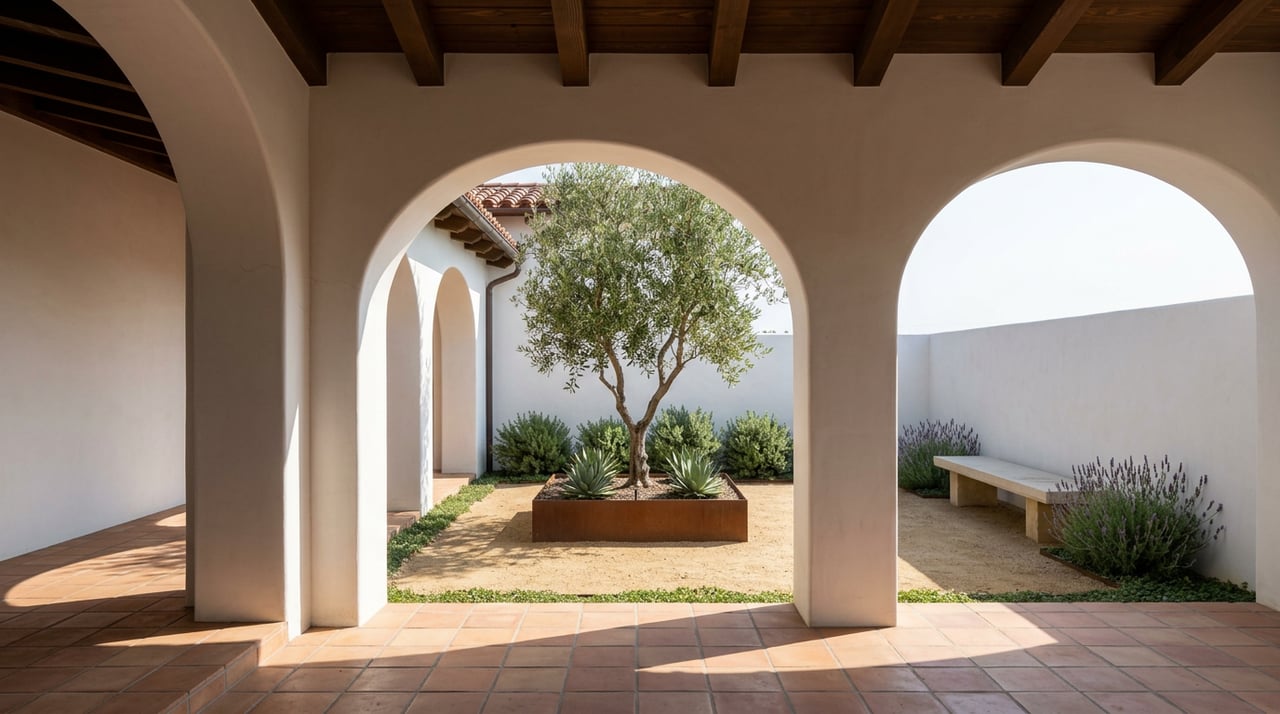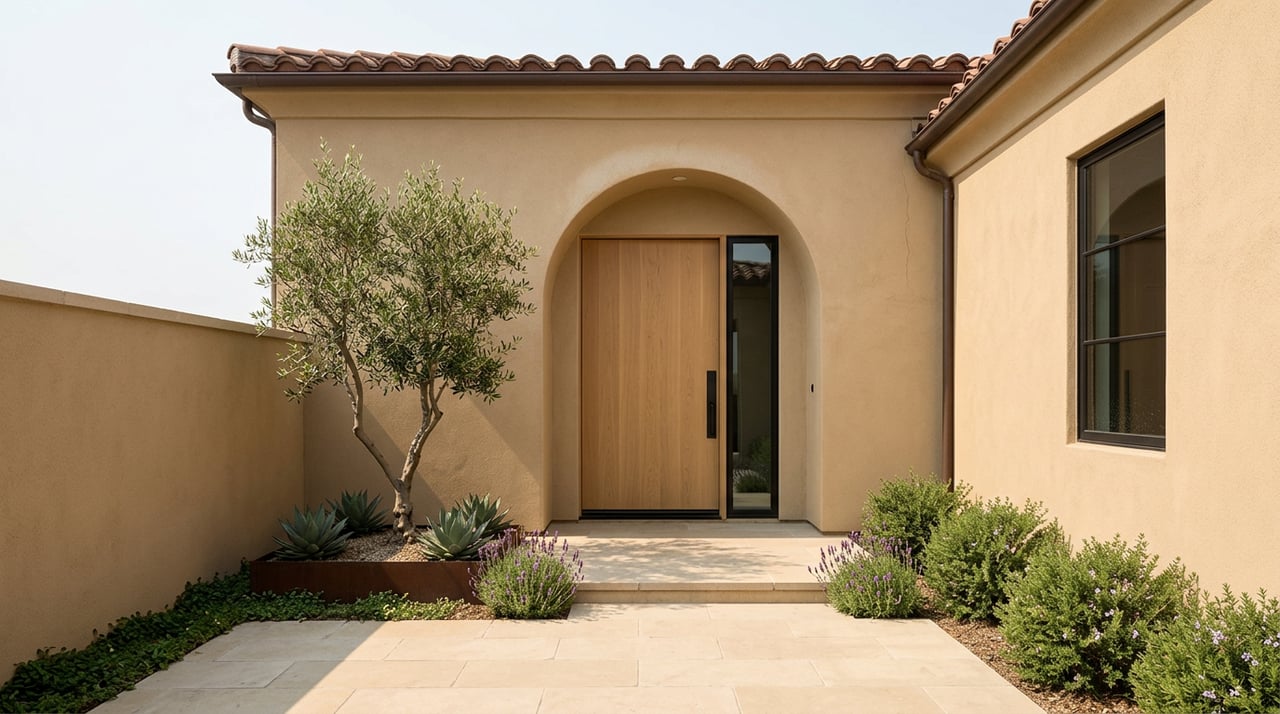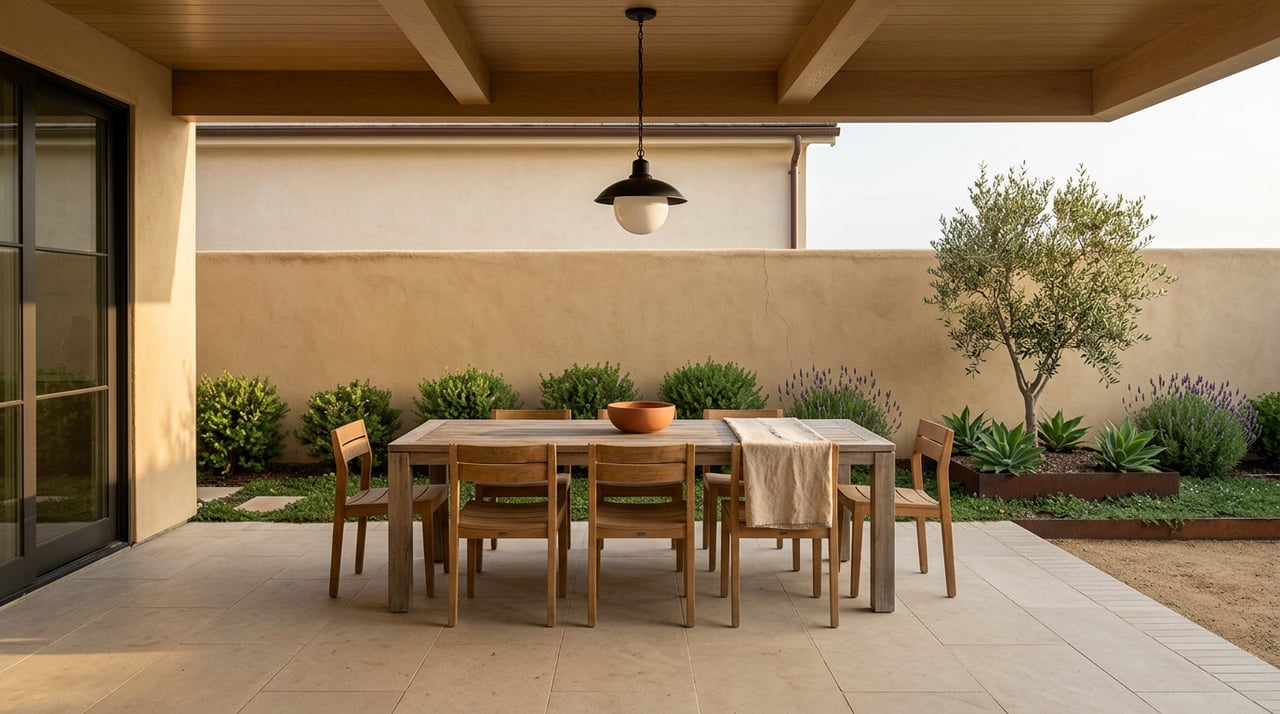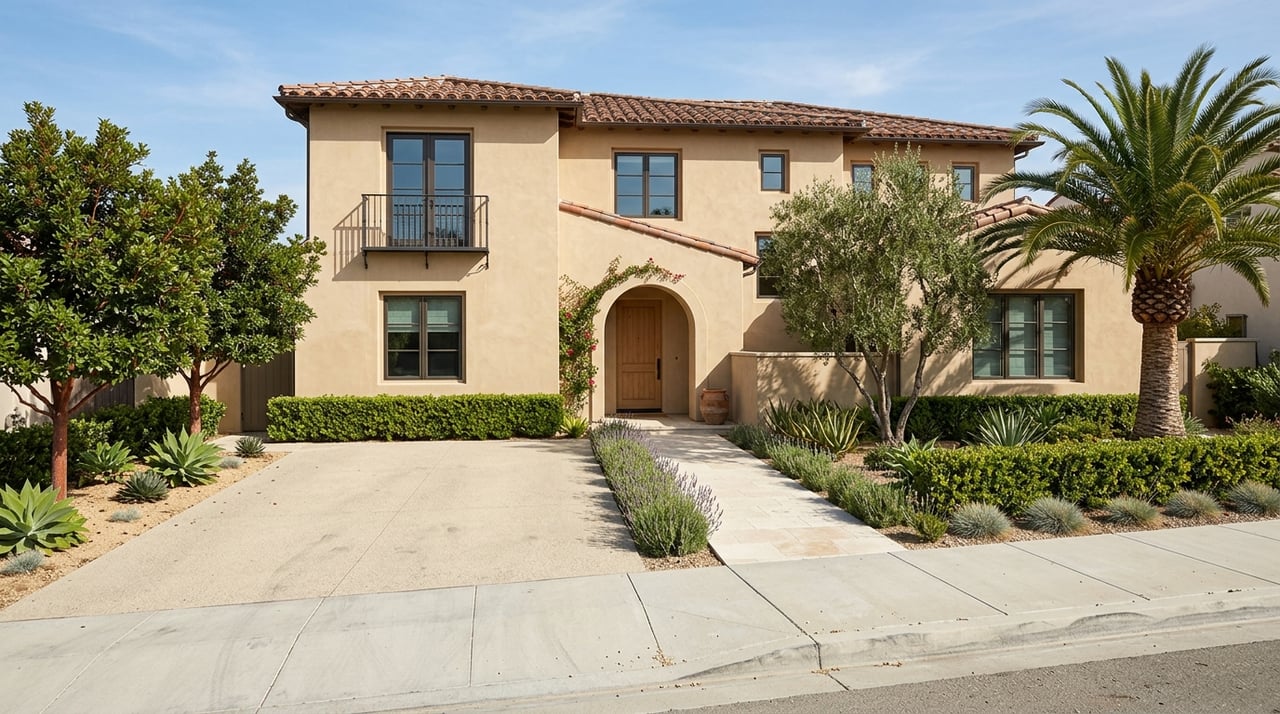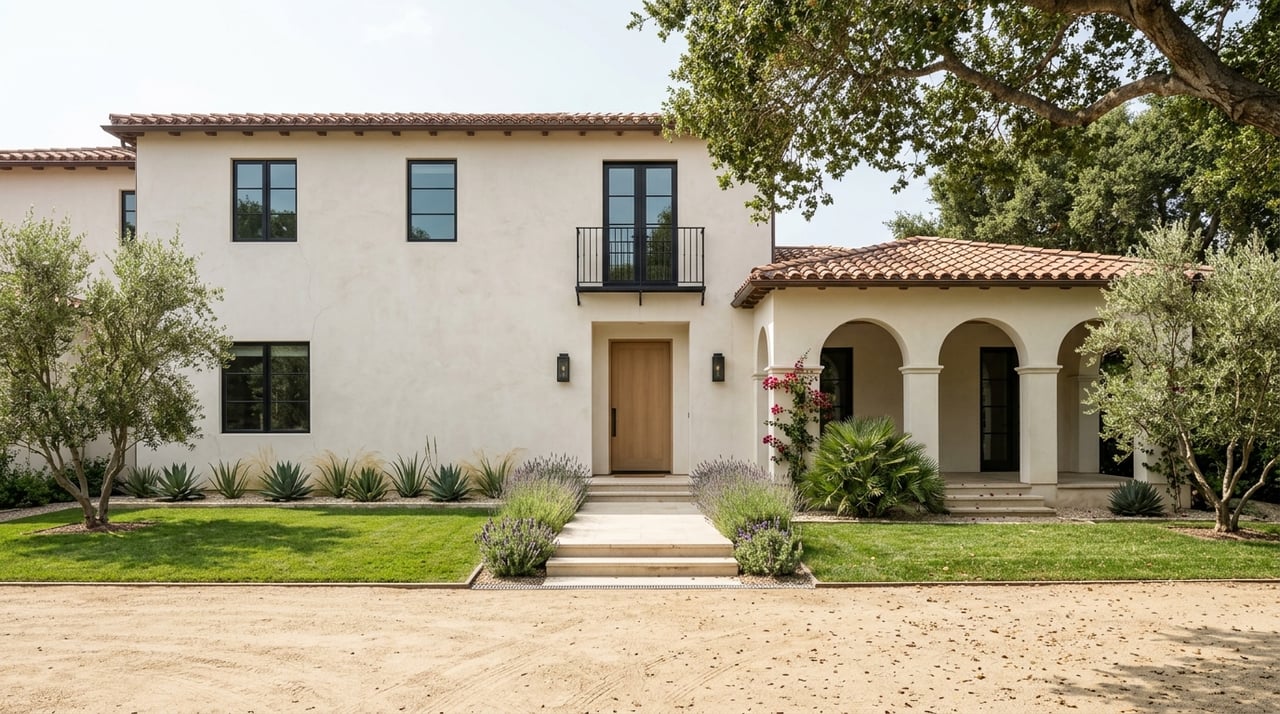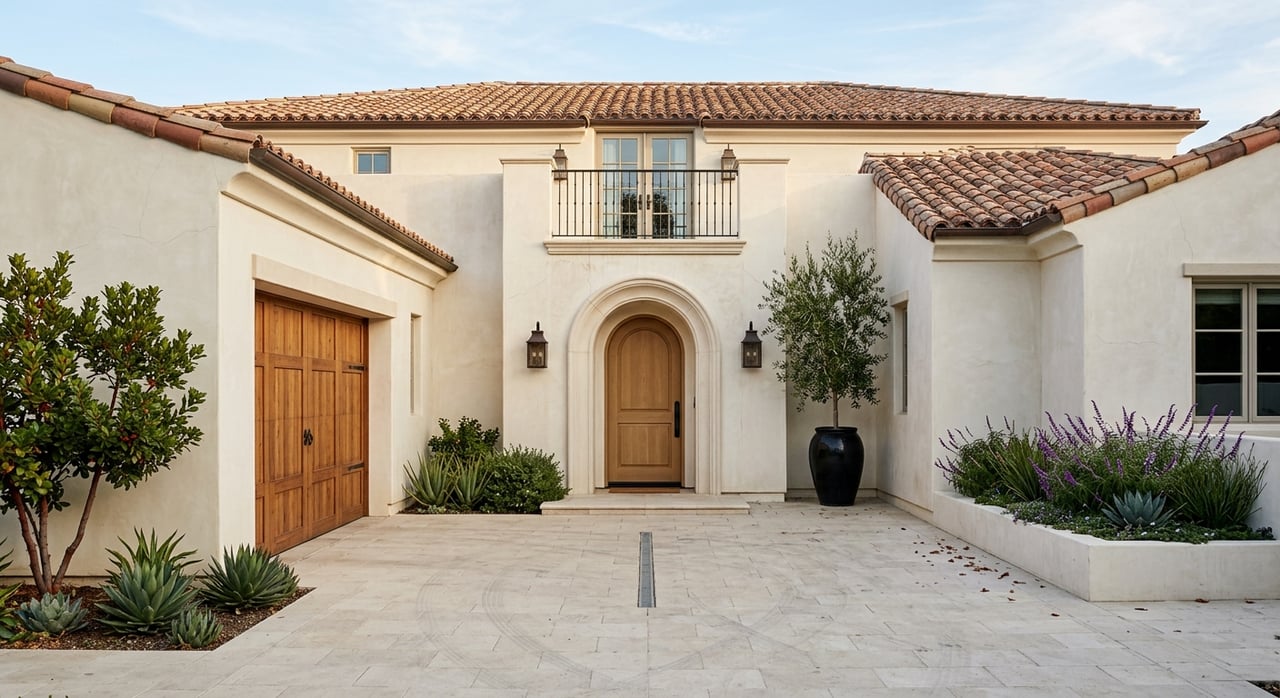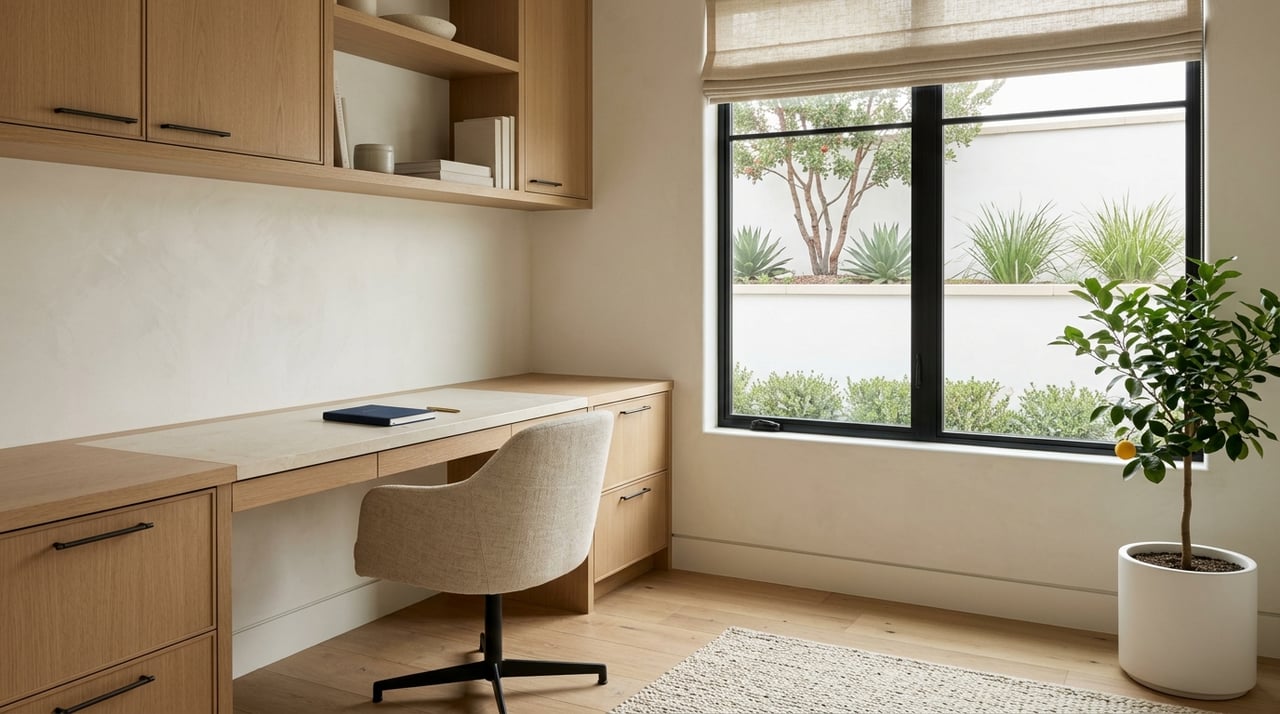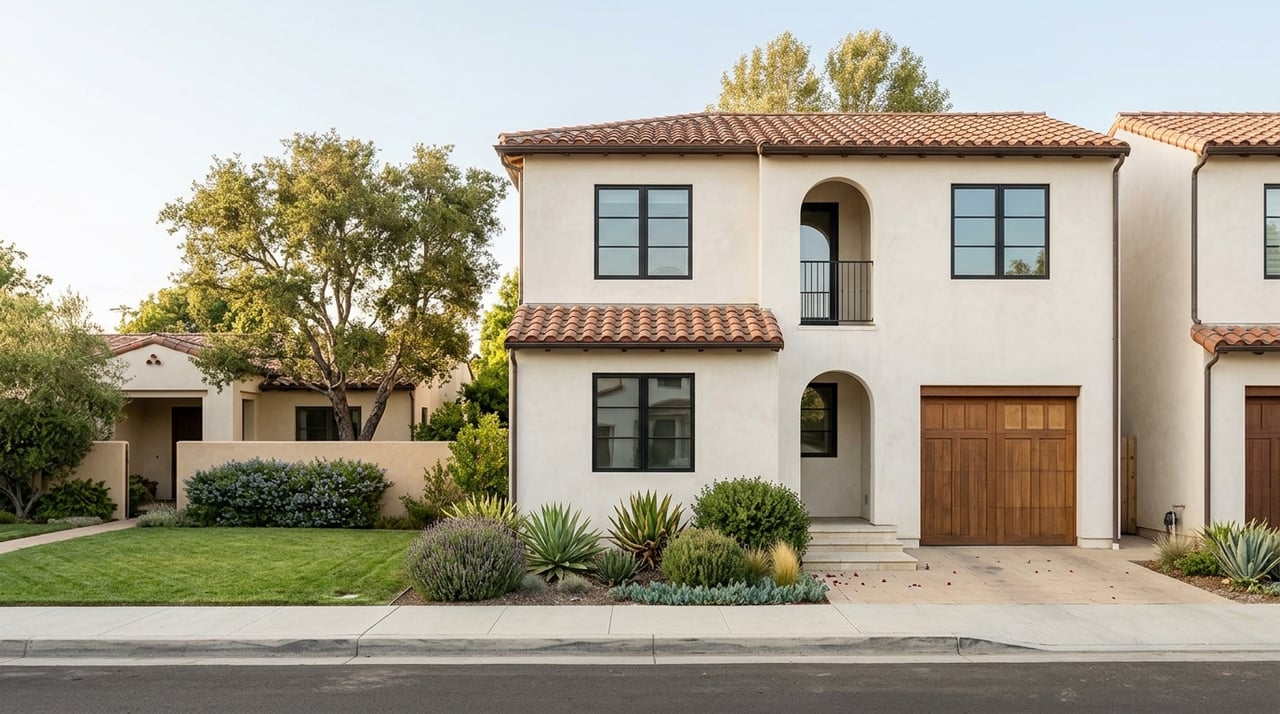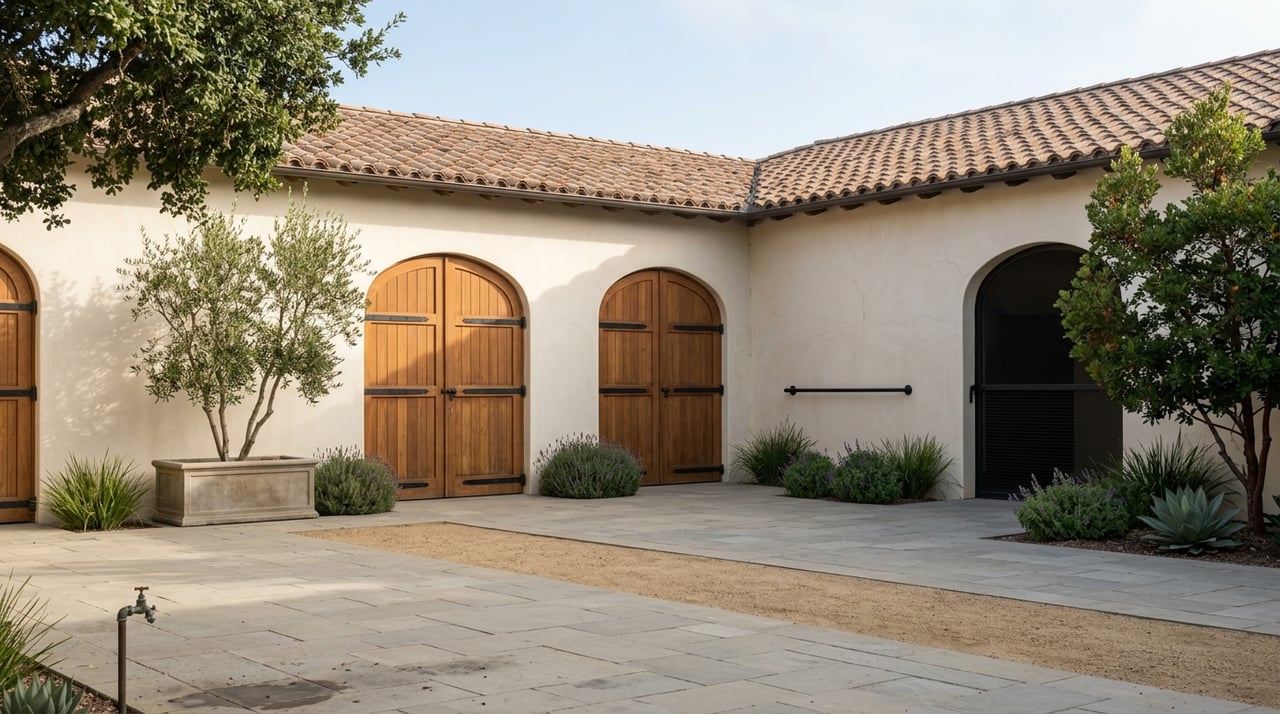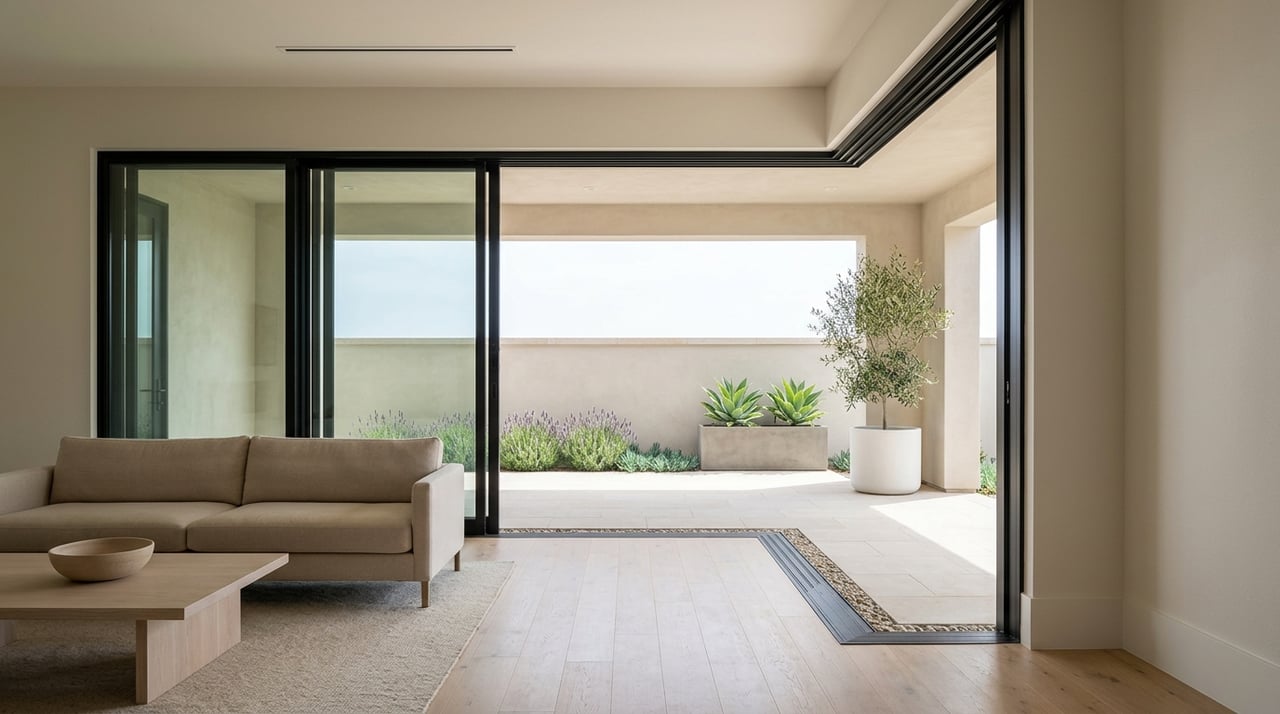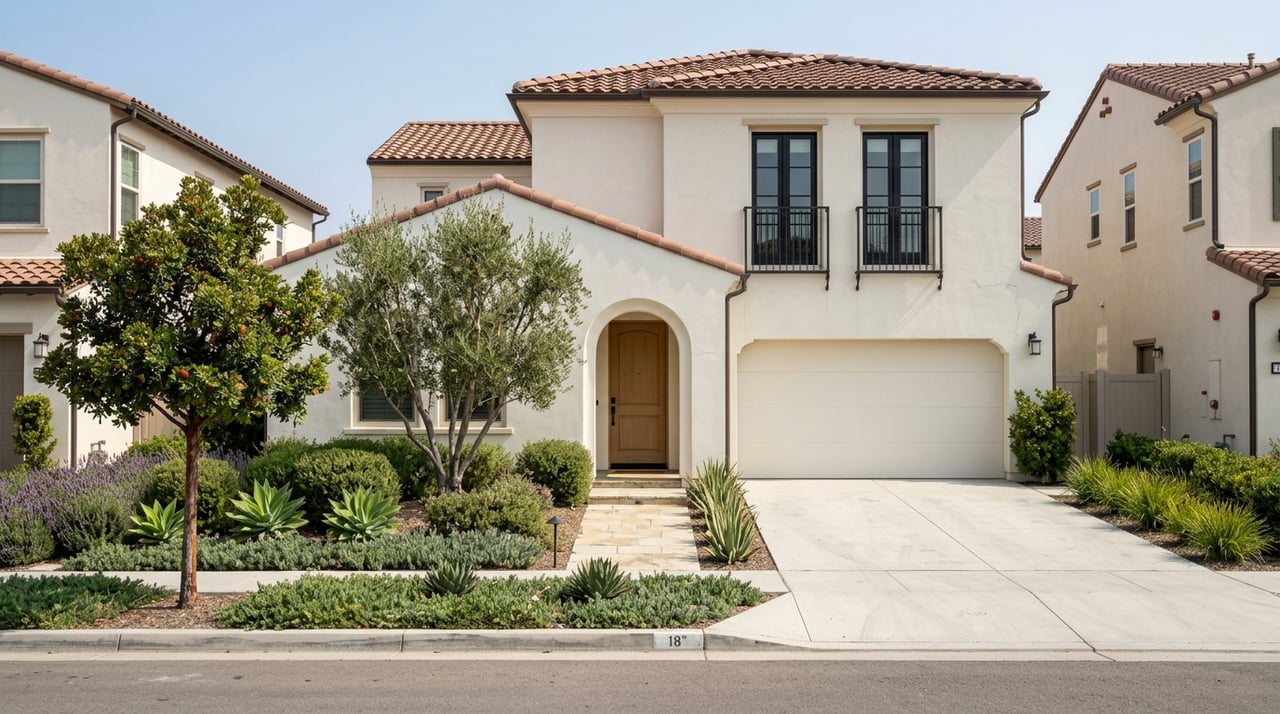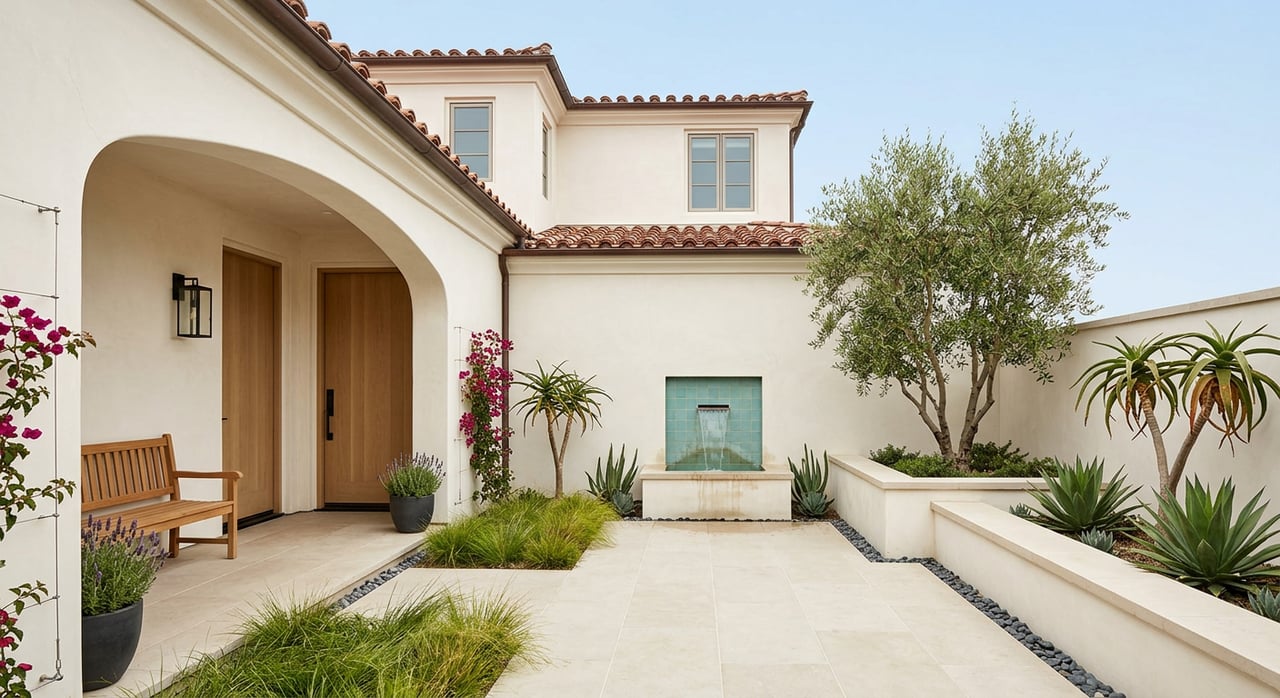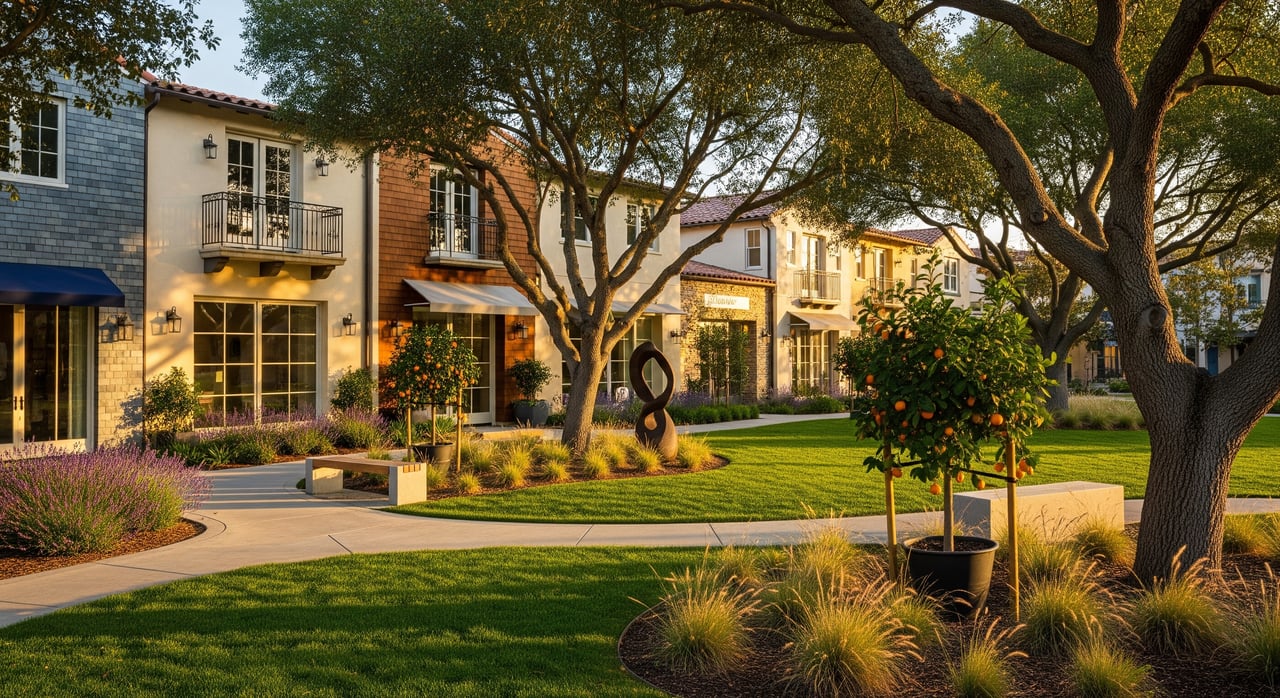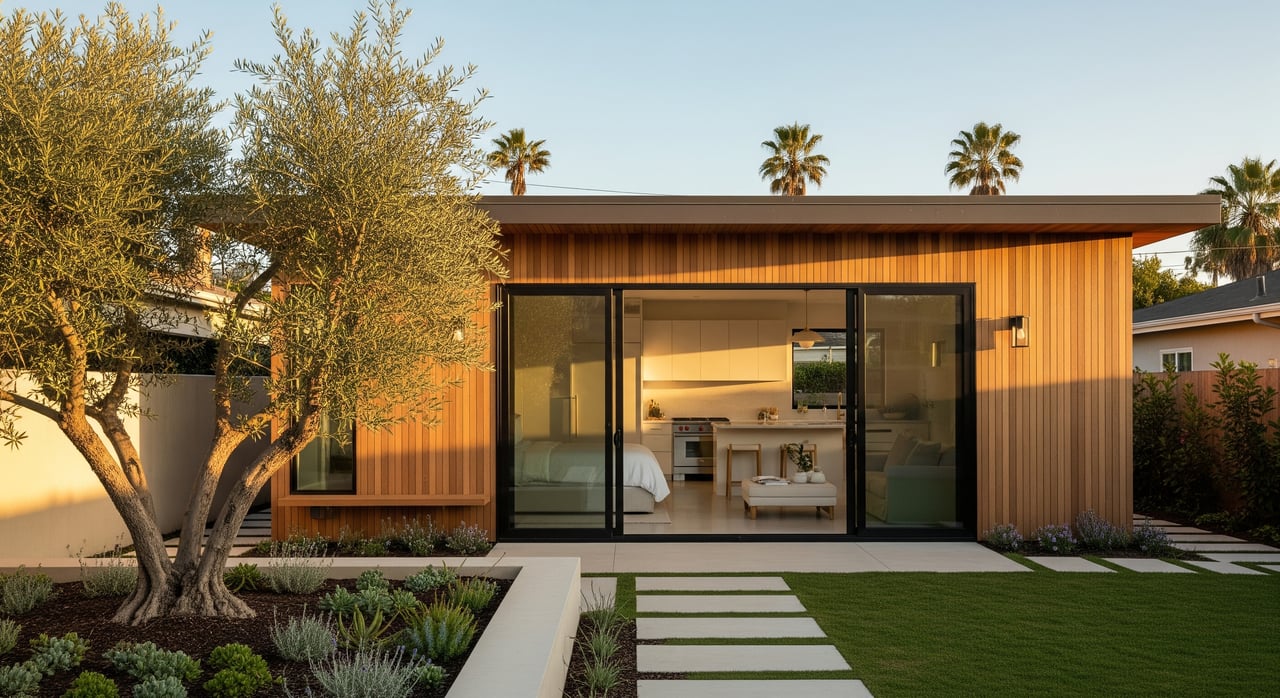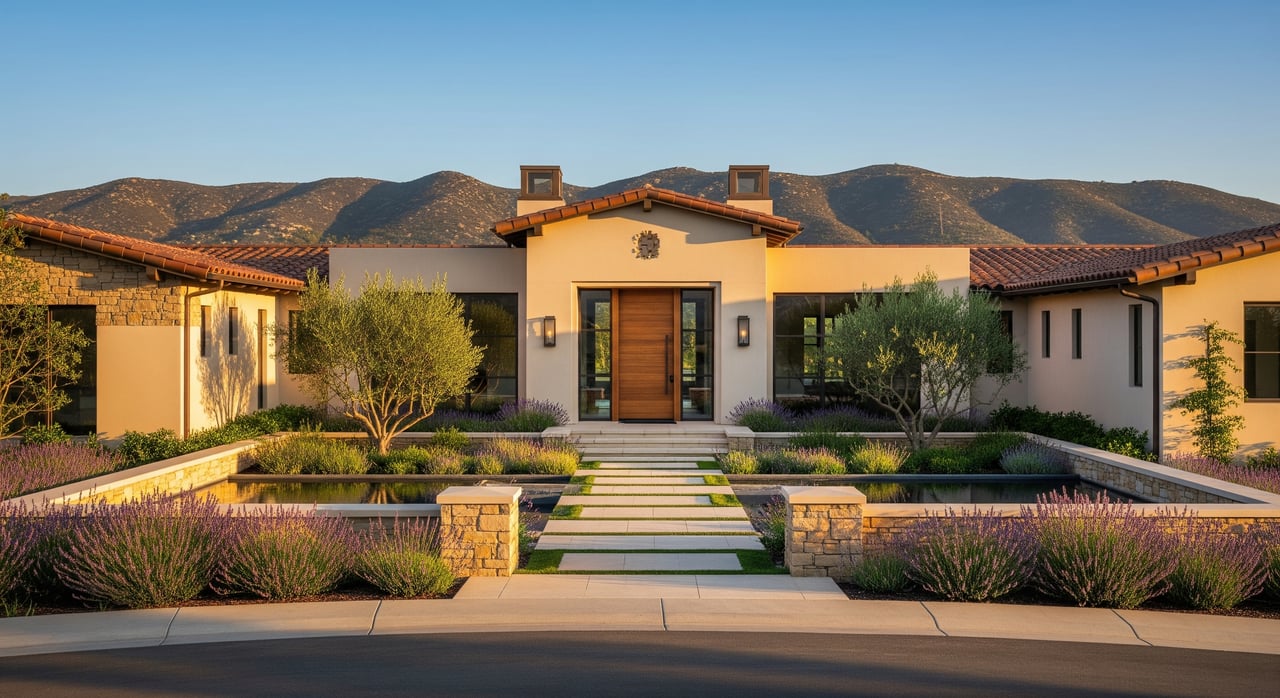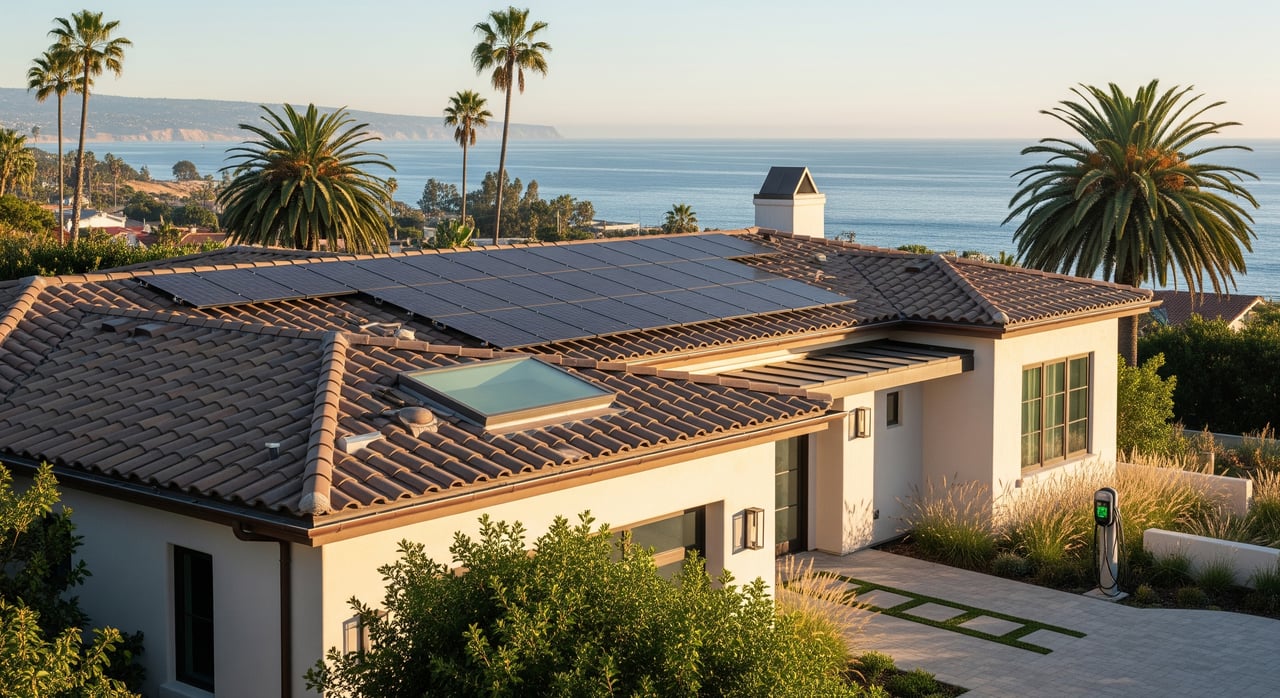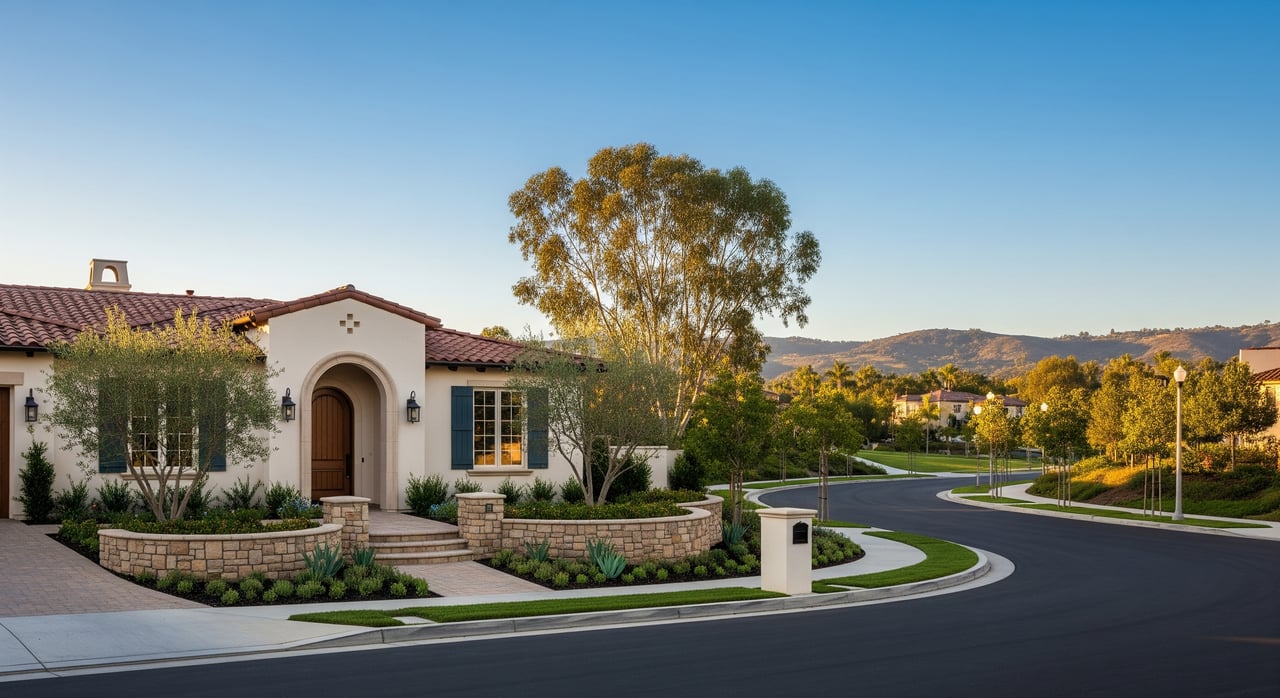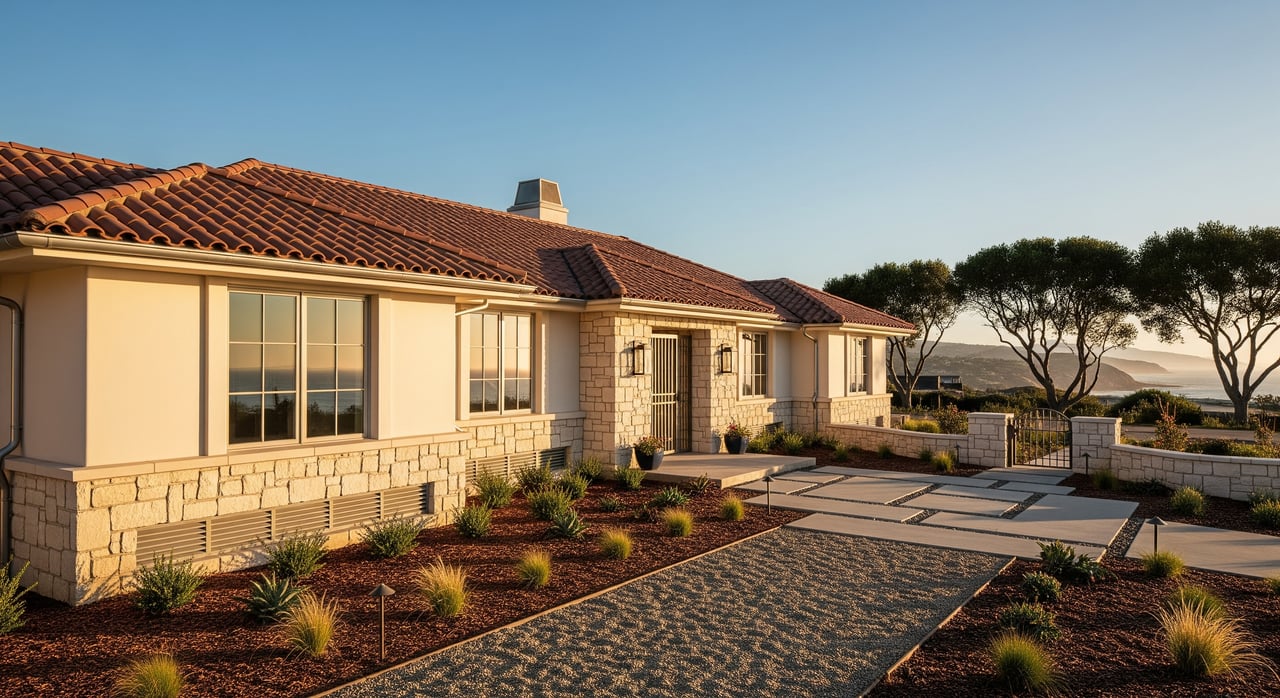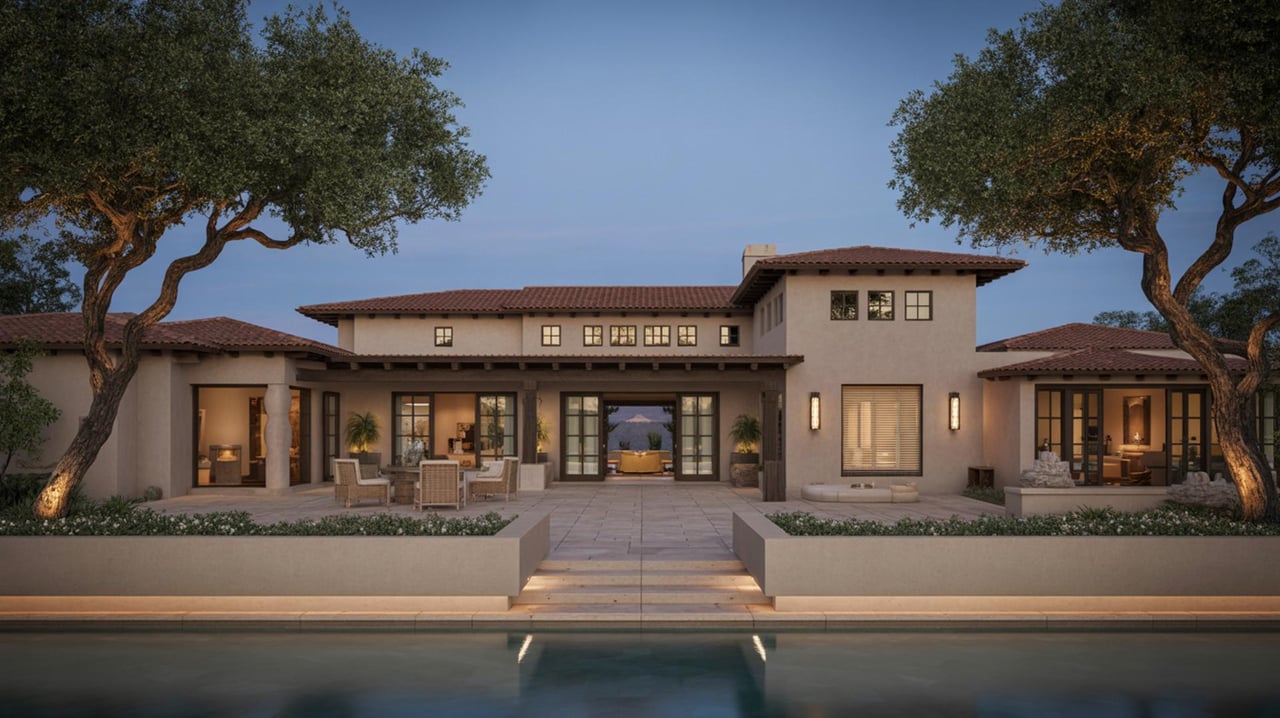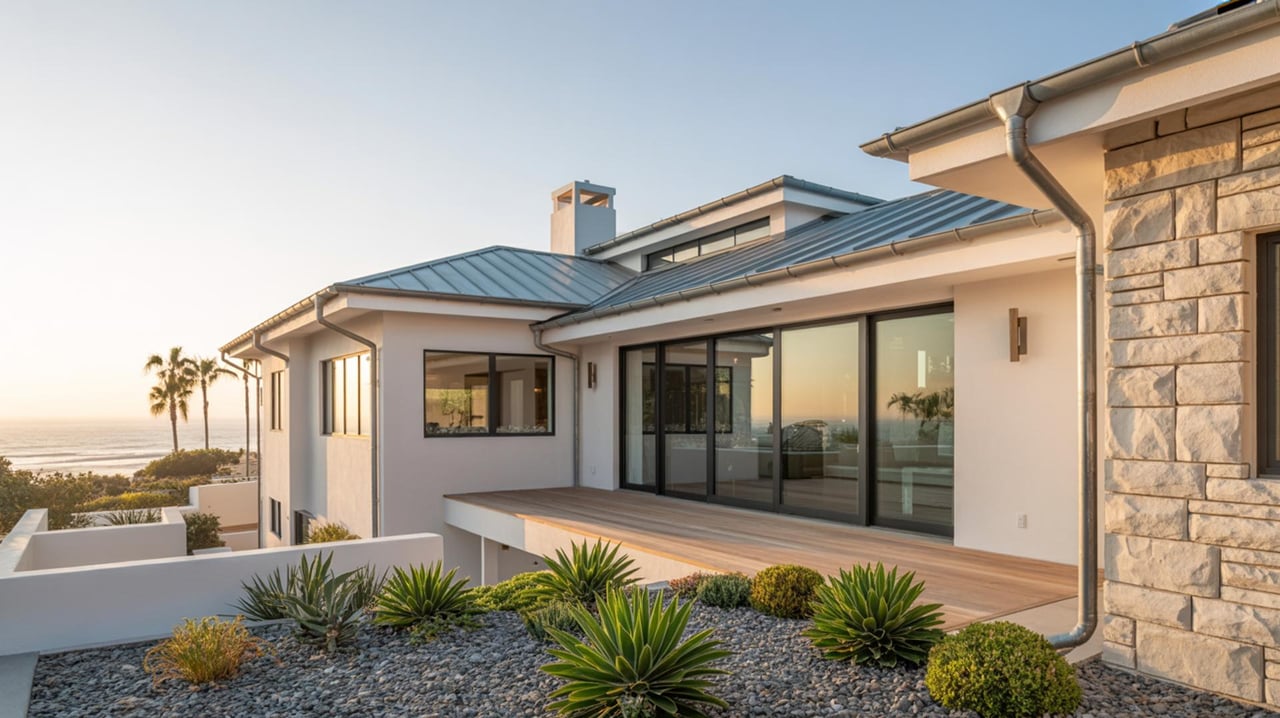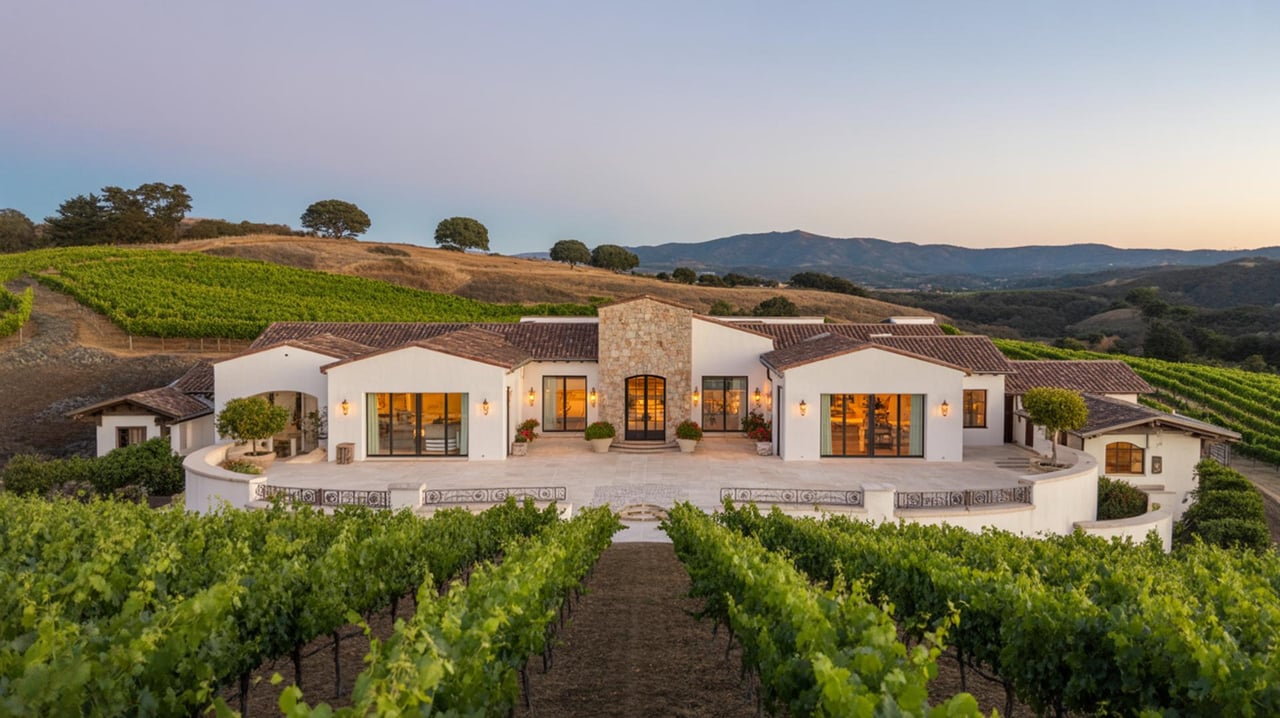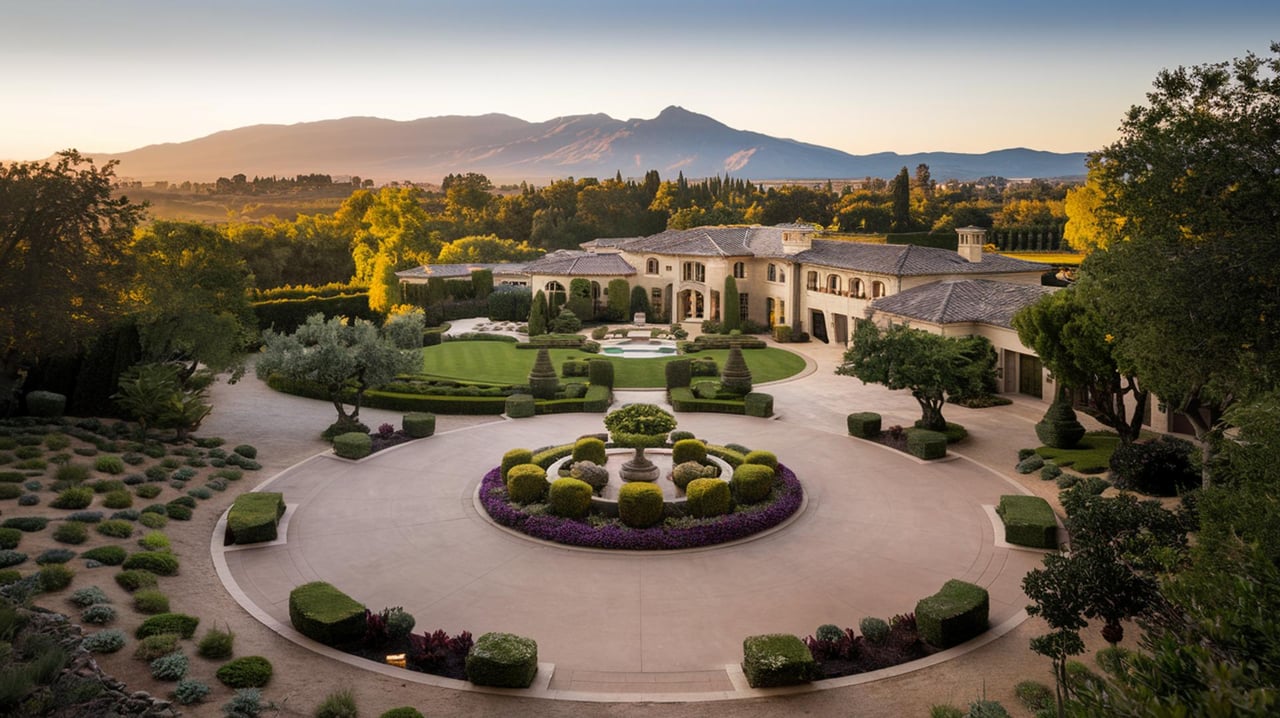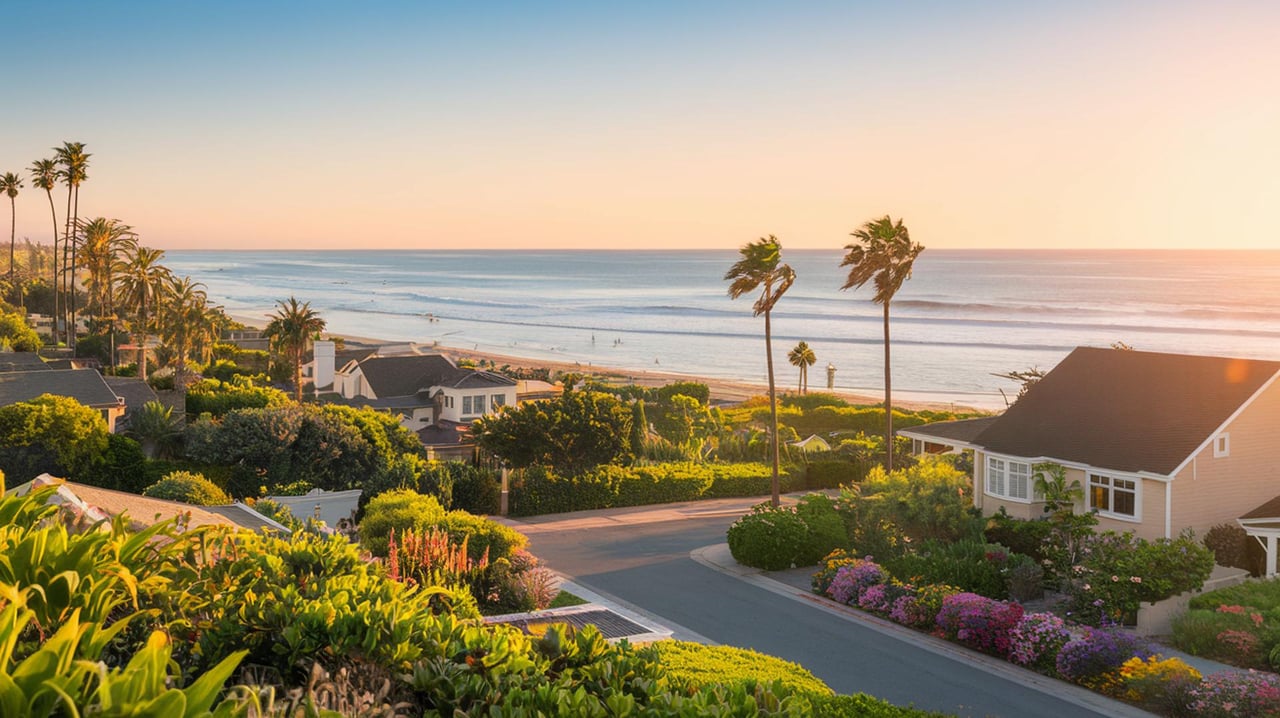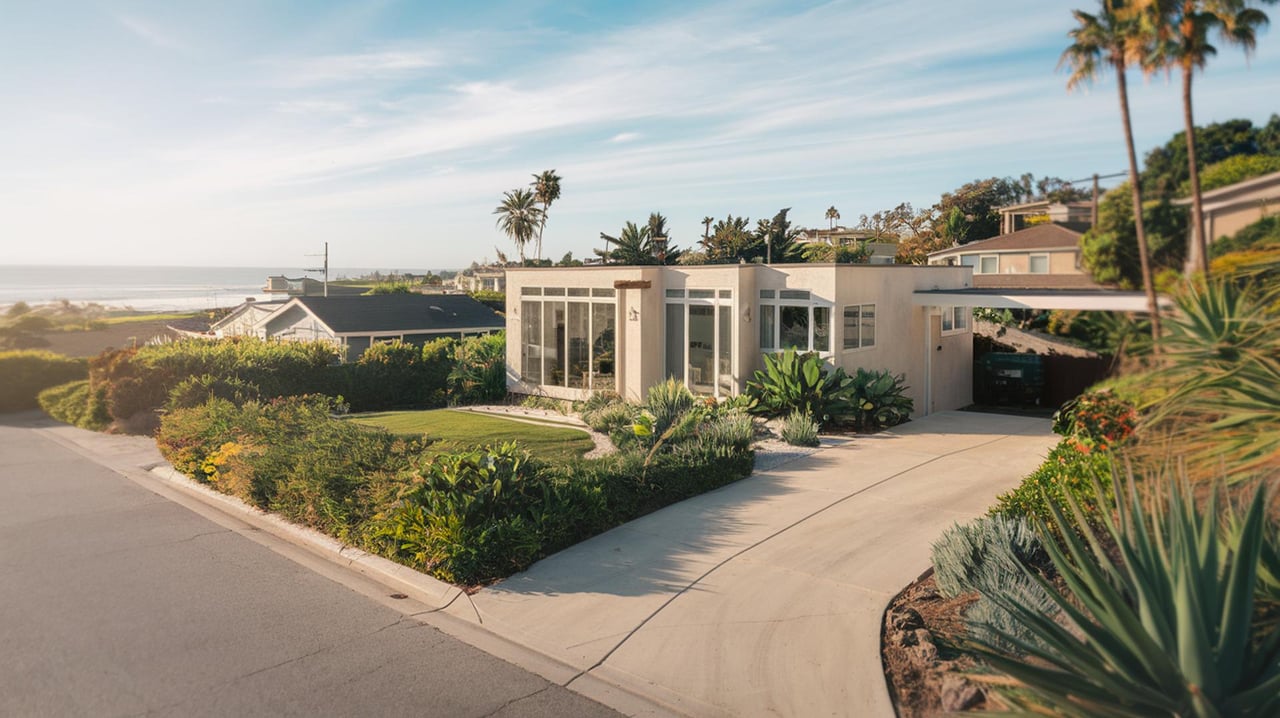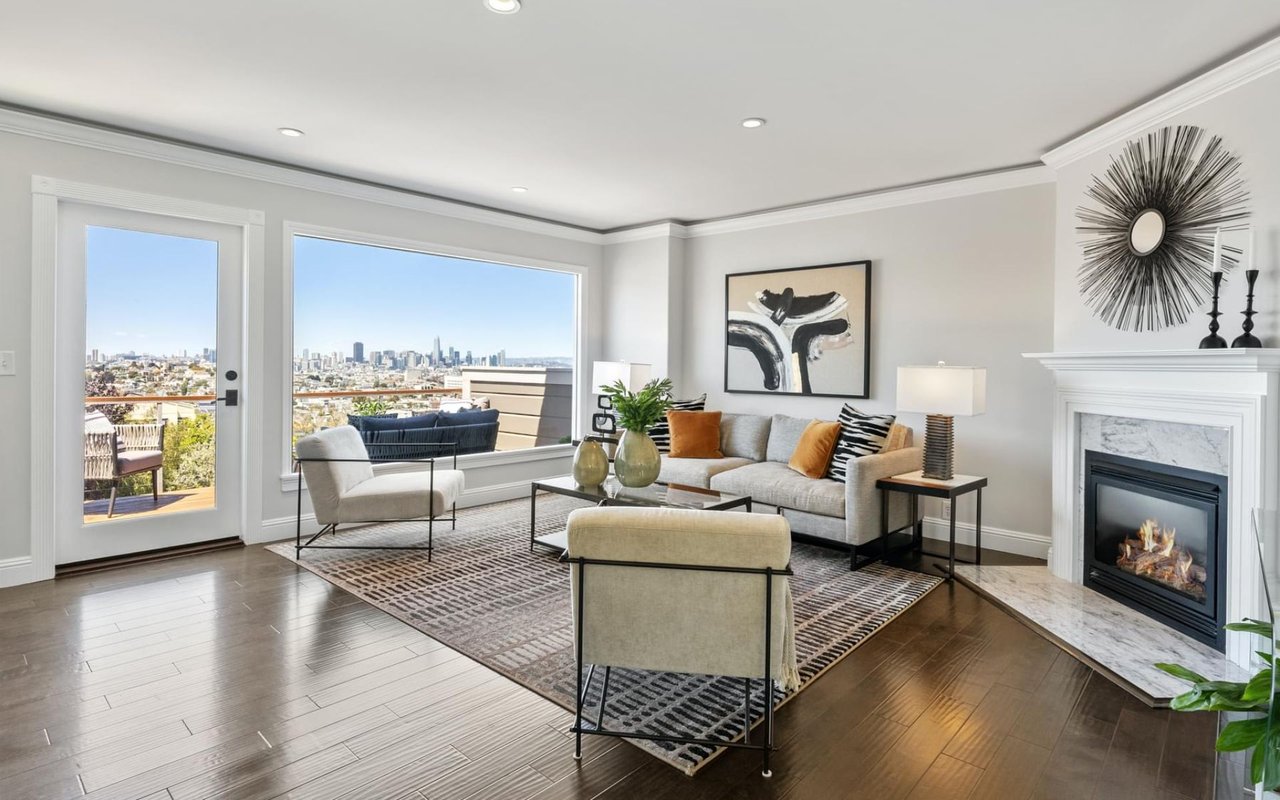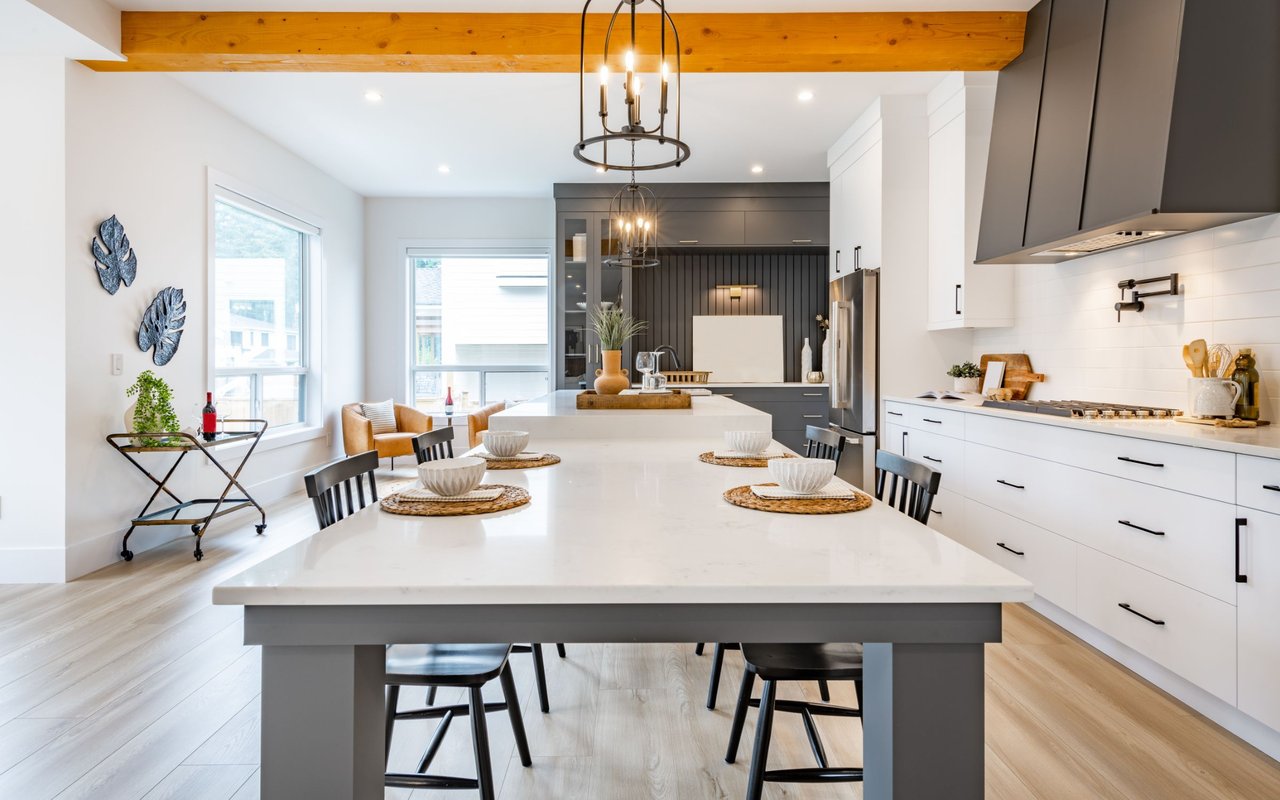
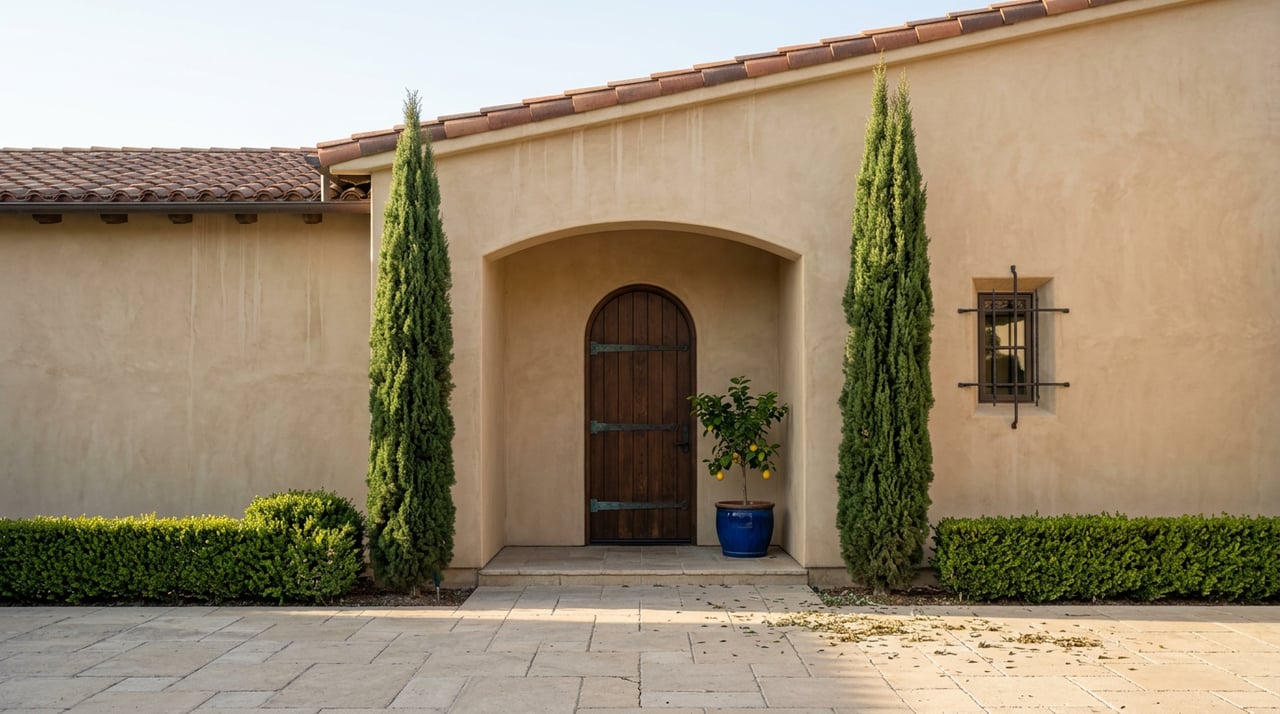
Two nearly identical estates sit on the same street inside the Rancho Santa Fe Covenant. Same lot size, same era, same architectural style vetted by the same Art Jury decades ago. Pull the disclosure packet on each and you'll find two very different numbers on the line marked "Association assessment." Not because one owner gets a discount. Because one of them bought recently and one didn't.
That gap is the thing almost nobody walking into a Rancho Santa Fe purchase understands going in. The Rancho Santa Fe Association doesn't charge a flat membership fee the way most homeowners associations do. It calculates dues as a percentage of the property's assessed value on file with San Diego County, a figure that resets to your purchase price the moment you close under California's Proposition 13 rules. The number printed on the seller's current tax bill or MLS sheet is what the seller pays. It is not what you will pay.
The Assessment Moves With the Sale, Not With the House
Most HOAs in North County set one due, or a small handful tied to unit type, and every owner pays roughly the same regardless of what they paid for the house. Rancho Santa Fe's Protective Covenant works differently. It ties the annual Association assessment to the county-assessed value of the parcel, at a rate of roughly 14 cents for every $100 of that value.
Because Prop 13 resets assessed value to the sale price at closing, a longtime owner who bought decades ago is still being assessed on a decades-old number, while the buyer next door who closed last year is assessed on what they actually paid. Apply that rate across a range of purchase prices and the spread becomes obvious:
| Assessed Value at Close | Approximate Annual RSFA Assessment |
|---|---|
| $1,000,000 | $1,400 |
| $2,500,000 | $3,500 |
| $4,000,000 | $5,600 |
| $6,000,000 | $8,400 |
These figures are illustrative, built directly off the Association's published per-$100 rate rather than any single property's actual bill. But the mechanism they demonstrate is real and it means the disclosure you're handed during escrow, showing the current owner's assessment, tells you almost nothing about your own future bill. Ask for the Association's rate and run your own purchase price through it before you write an offer.
The Budget Was Already Moving Before You Showed Up
Even setting aside the reset that happens at sale, the assessment itself is on an upward path. At its May 2026 annual meeting, the RSFA board reviewed a budget for the fiscal year running July 2026 through June 2027 that pairs roughly $34 million in projected revenue against about $31.6 million in operating expenses. Member assessments are budgeted to rise 3.5 percent to nearly $10.96 million, according to the Rancho Santa Fe Post's report on the meeting.
The more telling number sits below the operating line. After depreciation, capital spending, reserve transfers and debt service, the Association is projecting a net cash outflow of about $5.6 million for the year, which would pull cash reserves down from roughly $12 million to about $6.4 million. Golf and Tennis Club enrollment fees, a one-time revenue source the budget leans on, are projected to fall 9.1 percent to just under $2 million, continuing a decline from $3.4 million in fiscal 2025.
None of that is a crisis. It is a budget under real pressure, and a shrinking reserve cushion combined with a declining one-time revenue source is exactly the setup that tends to produce larger assessment increases in future years, not smaller ones. Under California HOA law, the board can raise the regular assessment up to 20 percent in a single year without a member vote, and it can levy a special assessment of up to 5 percent of the total annual budget, also without a vote, according to figures compiled by the independent resident site MyRSF.net. At the current $34 million budget, that 5 percent ceiling works out to roughly $1.7 million the board could assess without asking anyone's permission.
The Ranch Is Also Arguing Over What a Parcel Is Worth
The assessment formula only works as designed if the parcel count and the character of those parcels stay roughly stable. That assumption is being tested in real time.
On August 6, 2026, the RSFA board voted 6-1 to grant a variance allowing a lot split inside the Covenant, with director Jeff Simmons casting the lone dissenting vote, according to the Rancho Santa Fe Post's coverage of the decision. The underlying dispute centered on a 1930 deed clause capping a property at five building sites against a later Covenant regulation setting a 2.86-acre minimum lot size in that zone, a conflict the Post's editor described as carrying implications well beyond the single parcel in question.
A month later, a separate and larger fight surfaced. A developer's proposal for a 168-unit senior community has put the Ranch's low-density identity in front of county decision makers, framed by SanDiegoVille's September 2026 report as a collision between property rights, senior housing needs and a nearly 100-year-old Covenant built around large, single-family parcels.
Neither outcome is decided yet. But both point at the same structural question buyers should be asking alongside their assessment math: the Covenant's ad valorem system was built for a community of large, stable, single-family parcels. Every lot split and every large multi-unit proposal changes the mix of parcels the Association's budget is drawn from, which is one more reason the assessment trajectory over the next several years is harder to predict than a flat HOA fee would be.
What to Actually Pull Before You Write an Offer
- Request the Association's current per-$100 assessment rate directly and calculate it against your anticipated purchase price, not the seller's current bill.
- Ask for the most recent annual budget and reserve report the Association mailed to members, along with any board minutes referencing planned increases or special assessments.
- Confirm whether the specific parcel sits inside the Covenant or in one of the separately governed enclaves nearby, since the ad valorem assessment applies to Covenant membership, not to every property with a Rancho Santa Fe address.
- Check whether the property relies on a septic system rather than public sewer, since that is a separate cost question from the Association assessment and common on larger Covenant lots.
- Watch upcoming board agendas for land use items. A neighboring lot split or large development proposal can shift the parcel base the assessment formula depends on.
A Few Straight Answers
Is the RSFA assessment the same thing as HOA dues in Fairbanks Ranch or The Bridges? No. Those communities operate their own separate HOAs with different fee structures. The ad valorem, percentage-of-assessed-value formula described here applies to Covenant membership under the Rancho Santa Fe Association specifically.
Is this the same as Mello-Roos? No. Mello-Roos is a separate public special tax tied to a Community Facilities District bond, collected on the county property tax bill. The RSFA assessment is a private association due, calculated differently and billed separately.
Can the assessment ever go down? Only if the assessed value on the parcel decreases, which is uncommon, or if the Association's budget shrinks year over year. Given the current reserve trajectory, a decrease is not the likely near-term direction.
How do I find the exact number before I make an offer? Contact the Association directly for the current rate and ask your agent to help translate it against your specific purchase price scenario before removing contingencies.
Rancho Santa Fe rewards buyers who do the math before they fall in love with the house. If you're comparing a Covenant estate against enclaves like Fairbanks Ranch, Santaluz or coastal alternatives in Carmel Valley and want a clear-eyed read on what a specific property will actually cost you to own, Shay Realtors can walk the numbers with you. Talk to a local expert and schedule your free neighborhood consultation before you write the offer, not after.