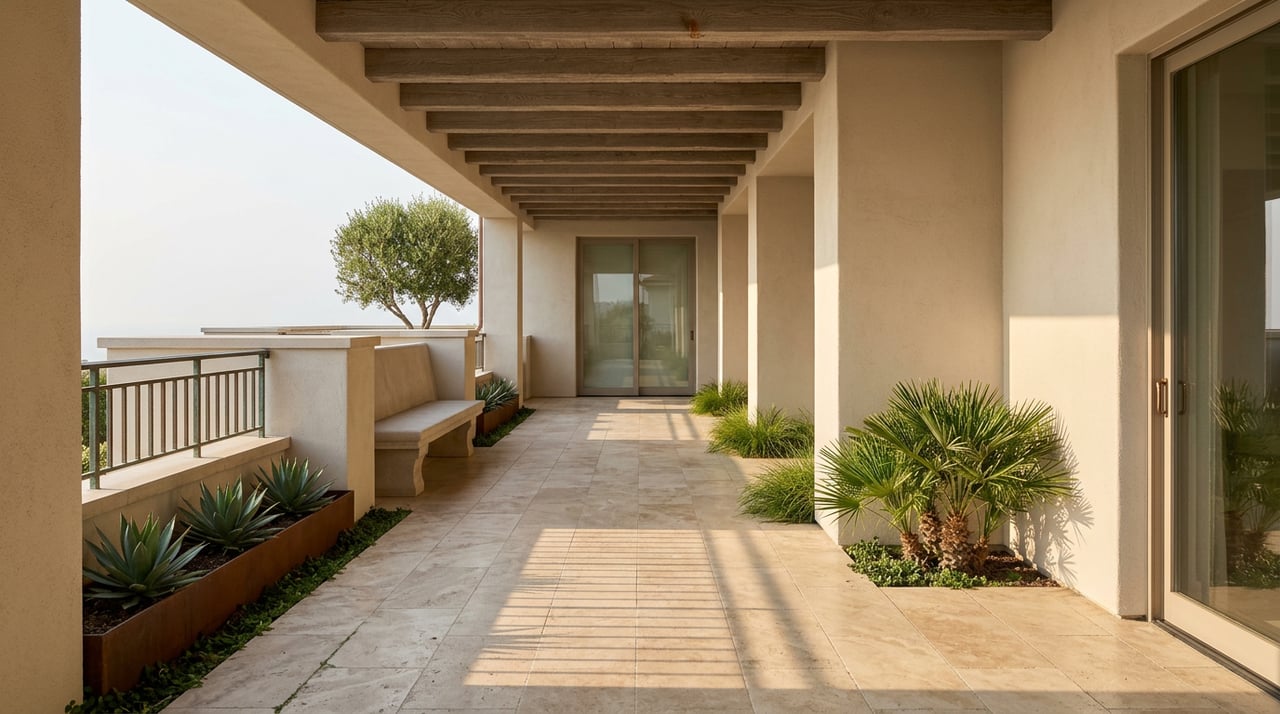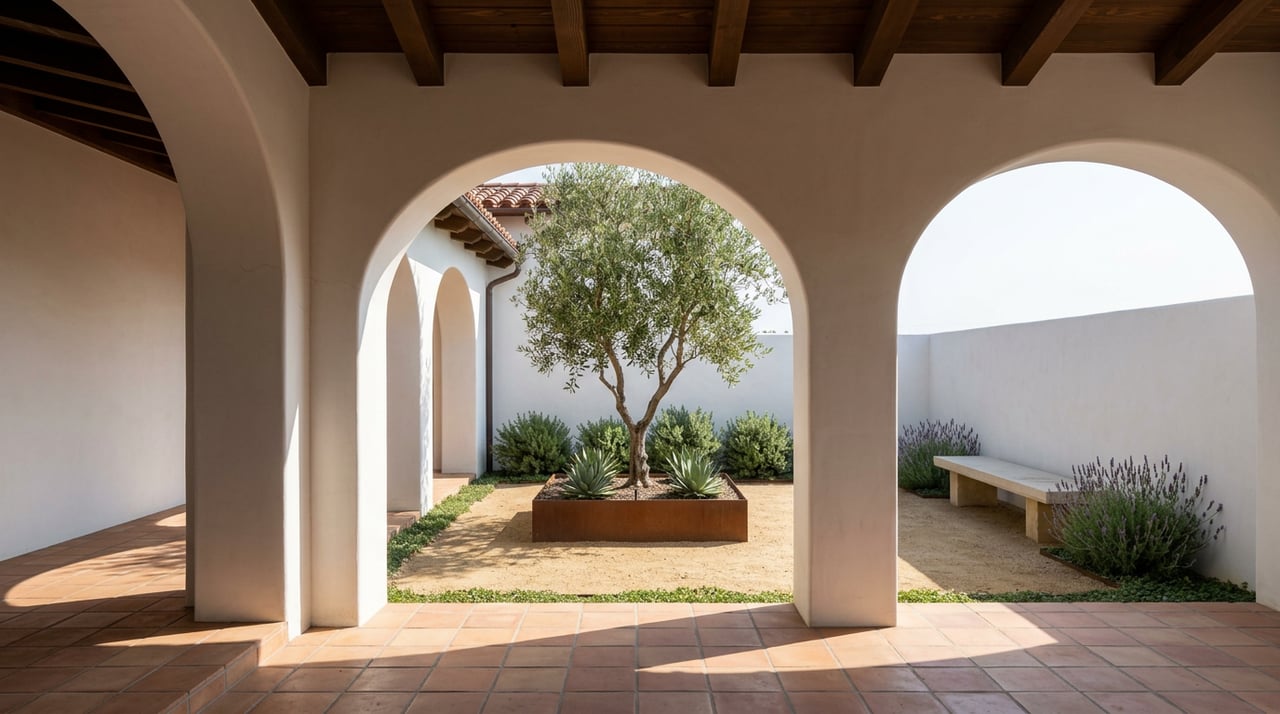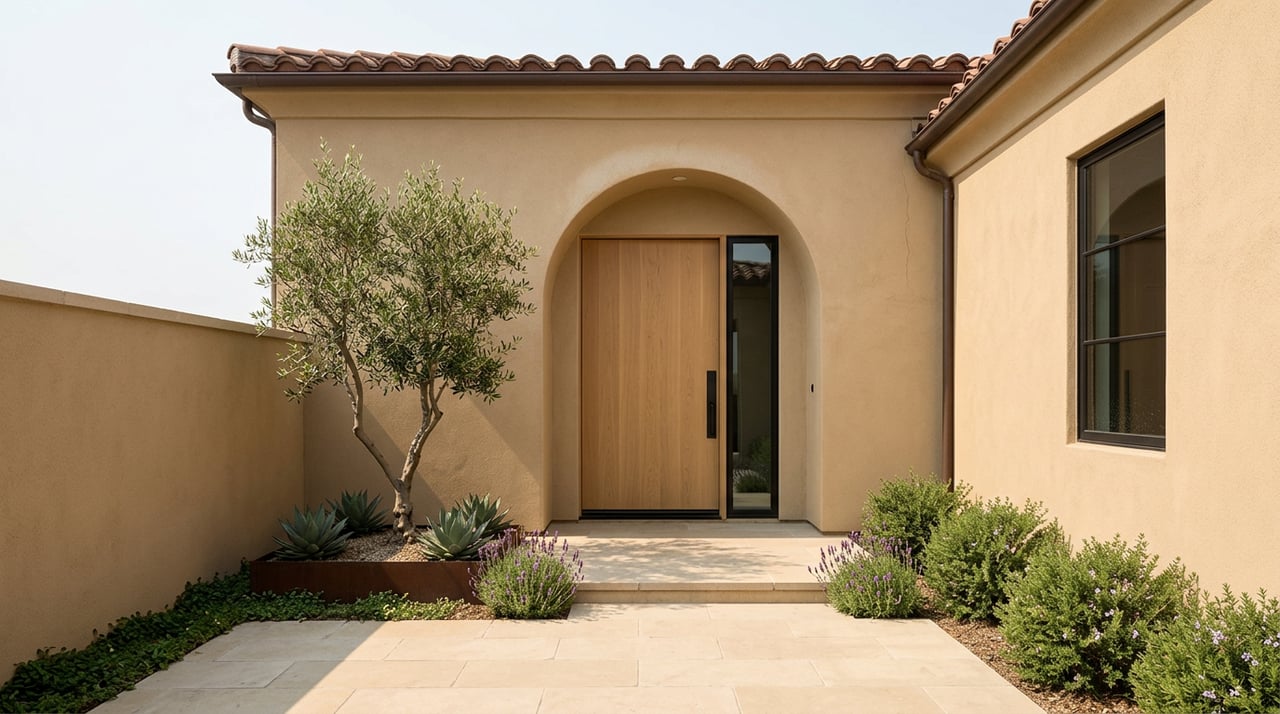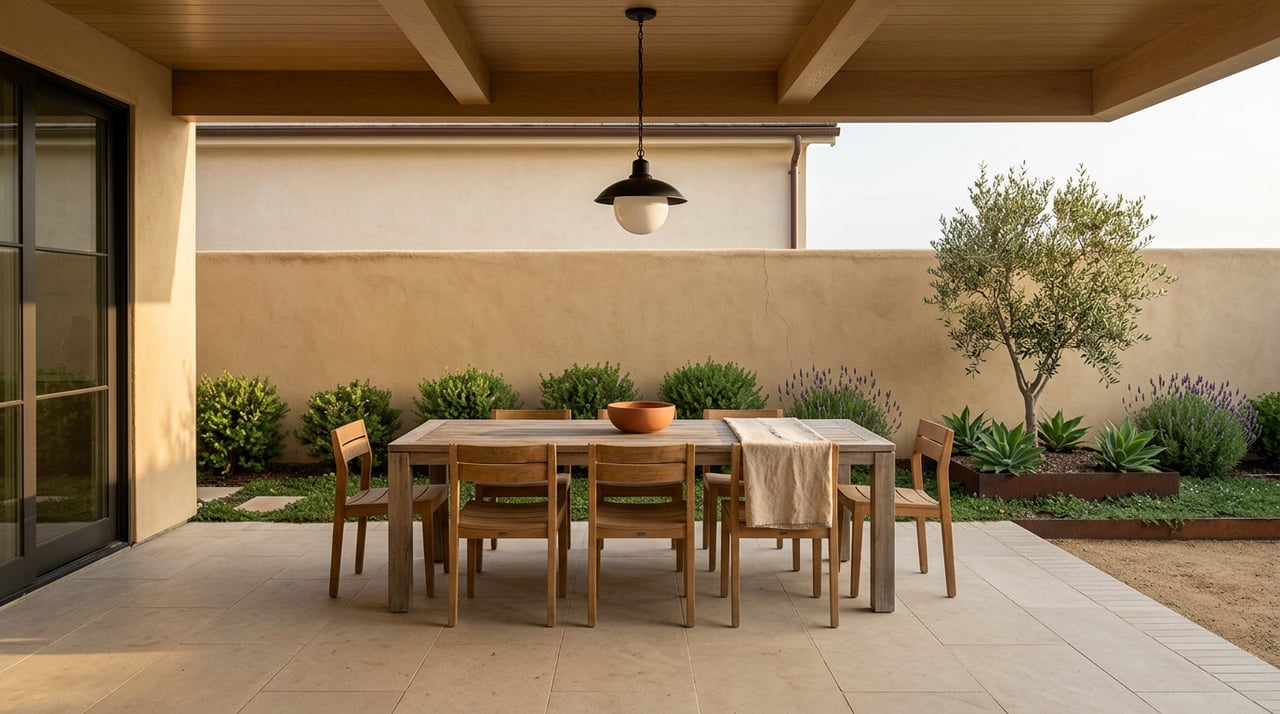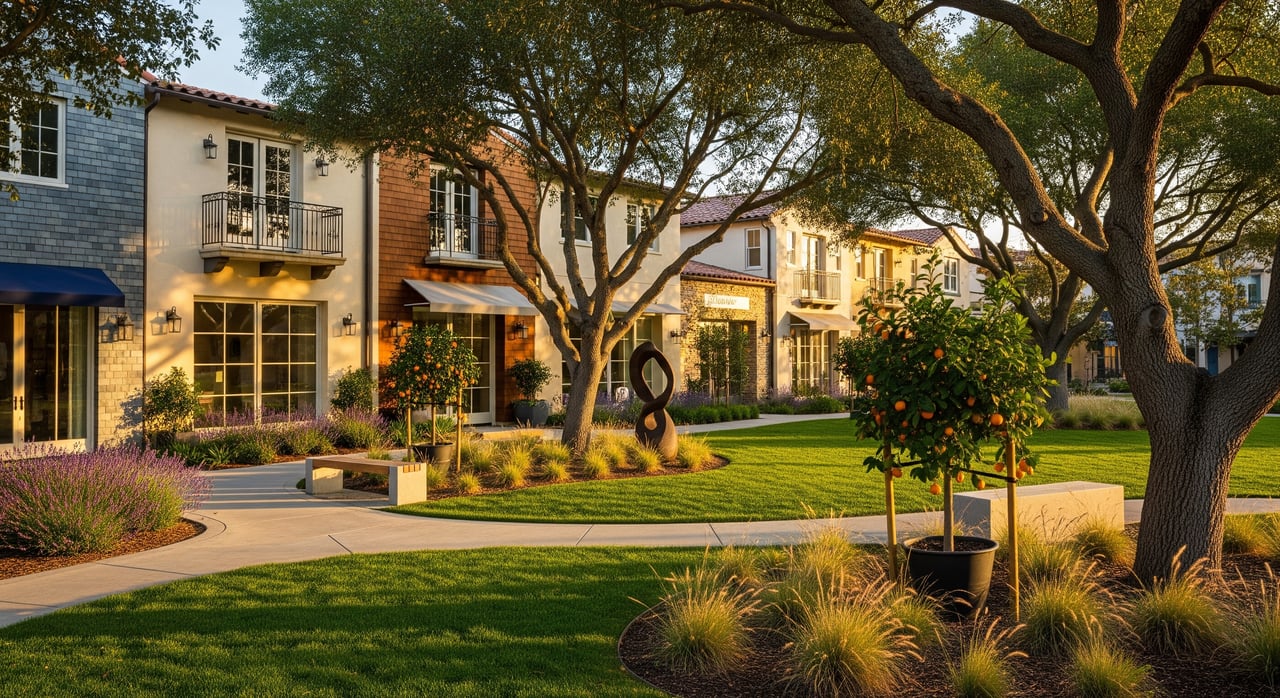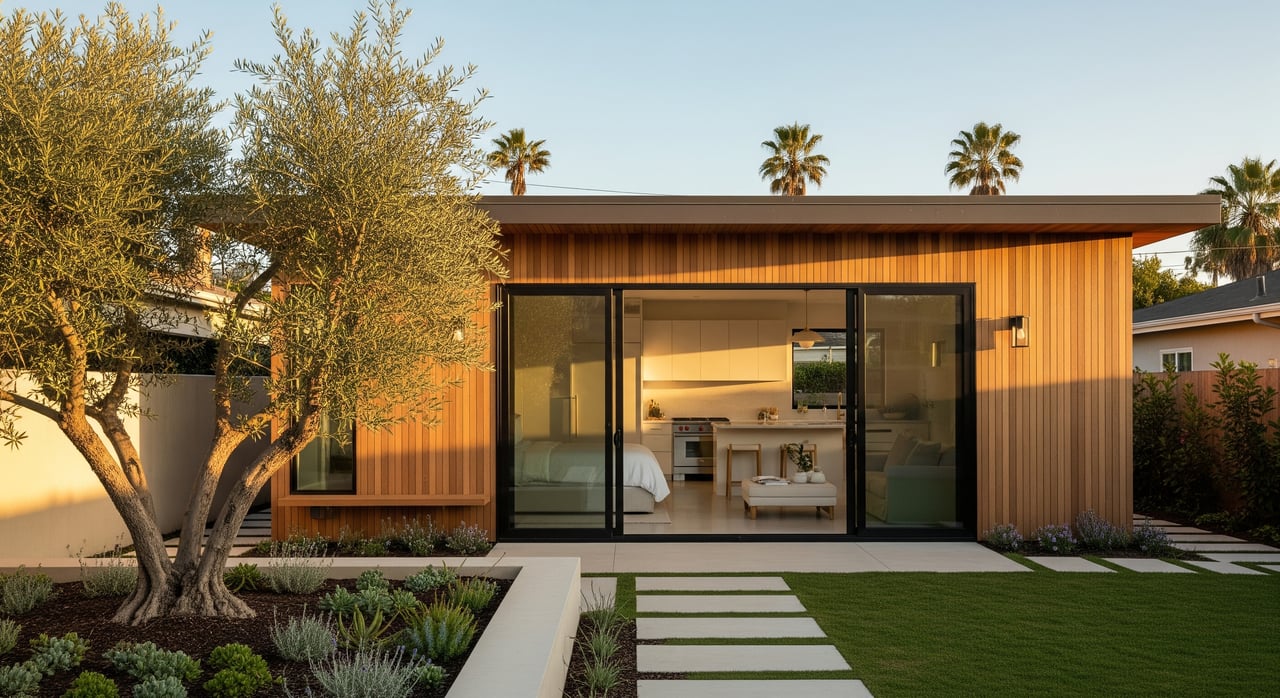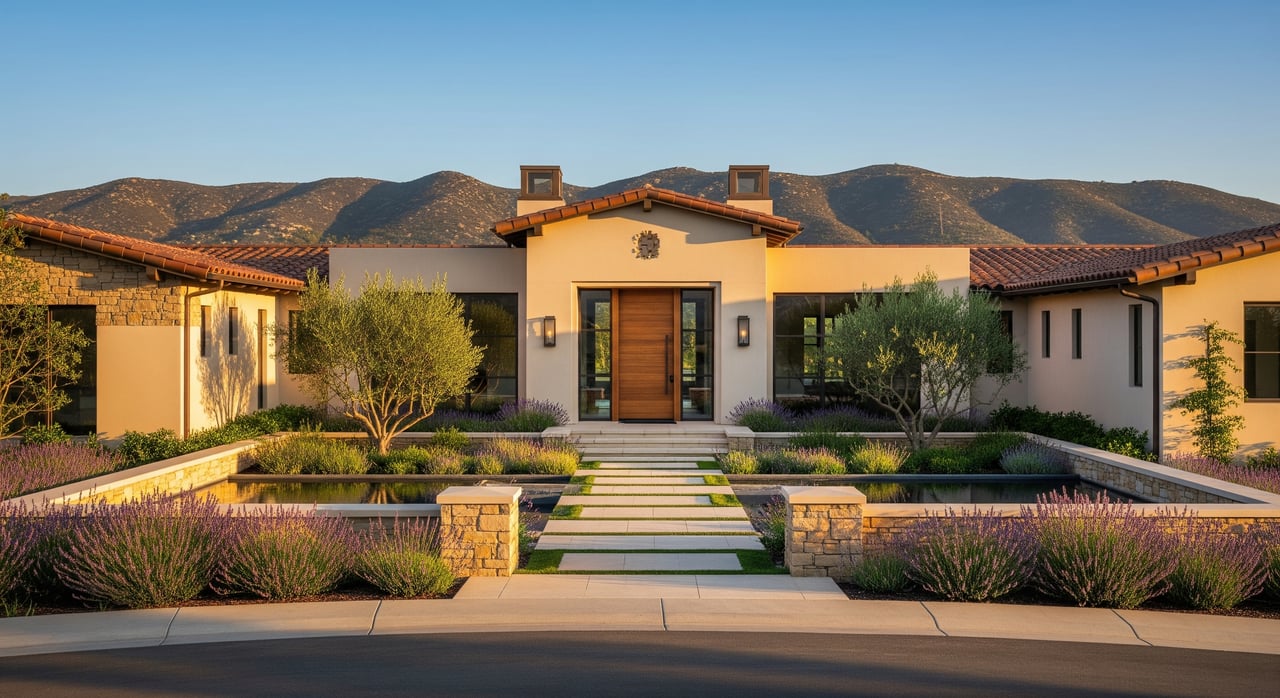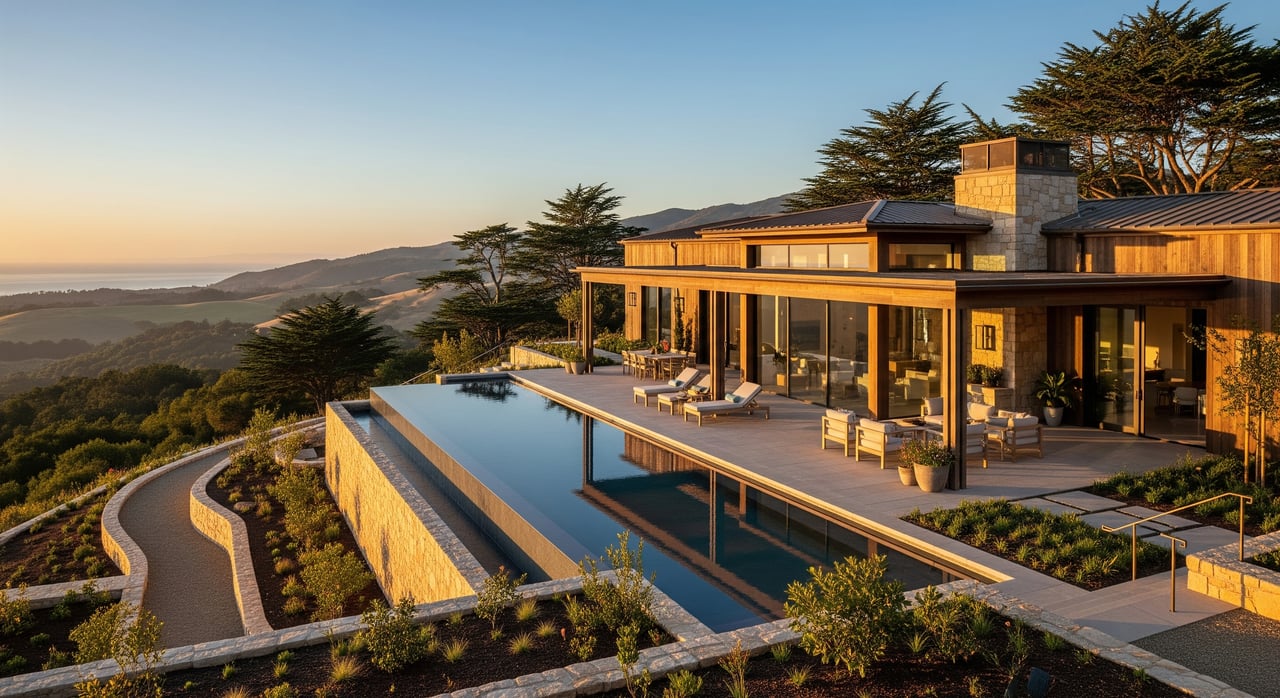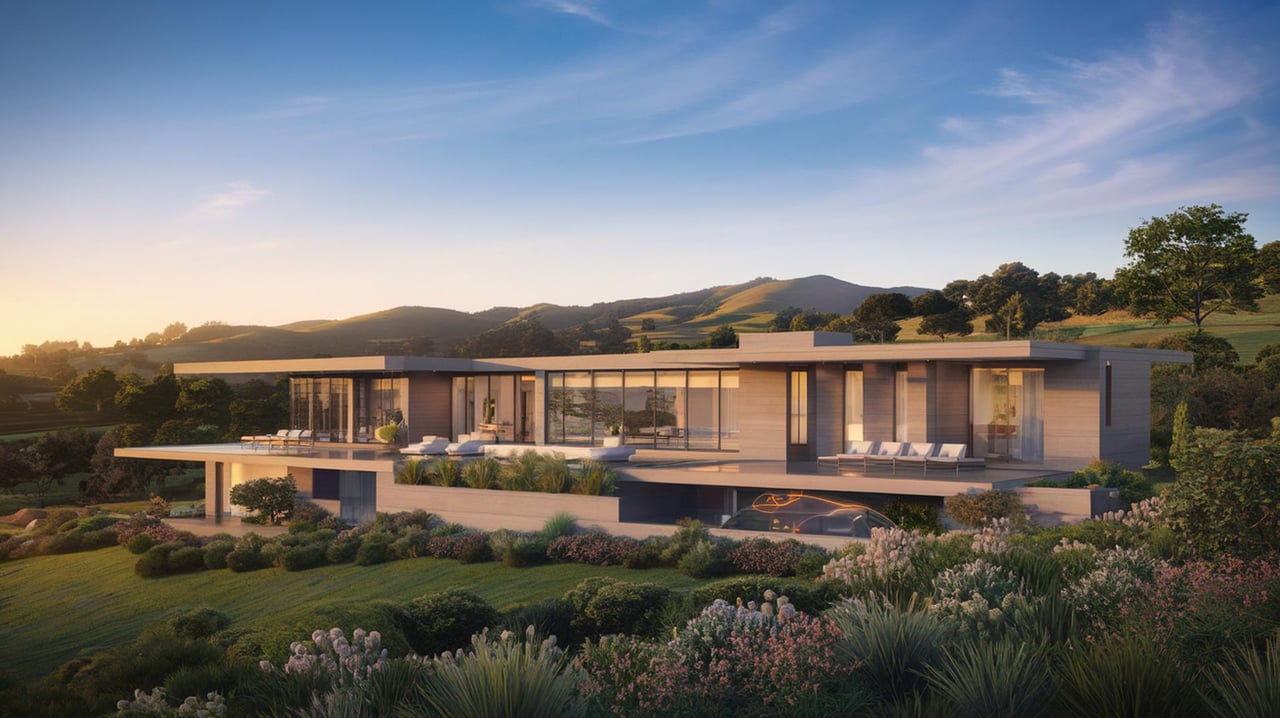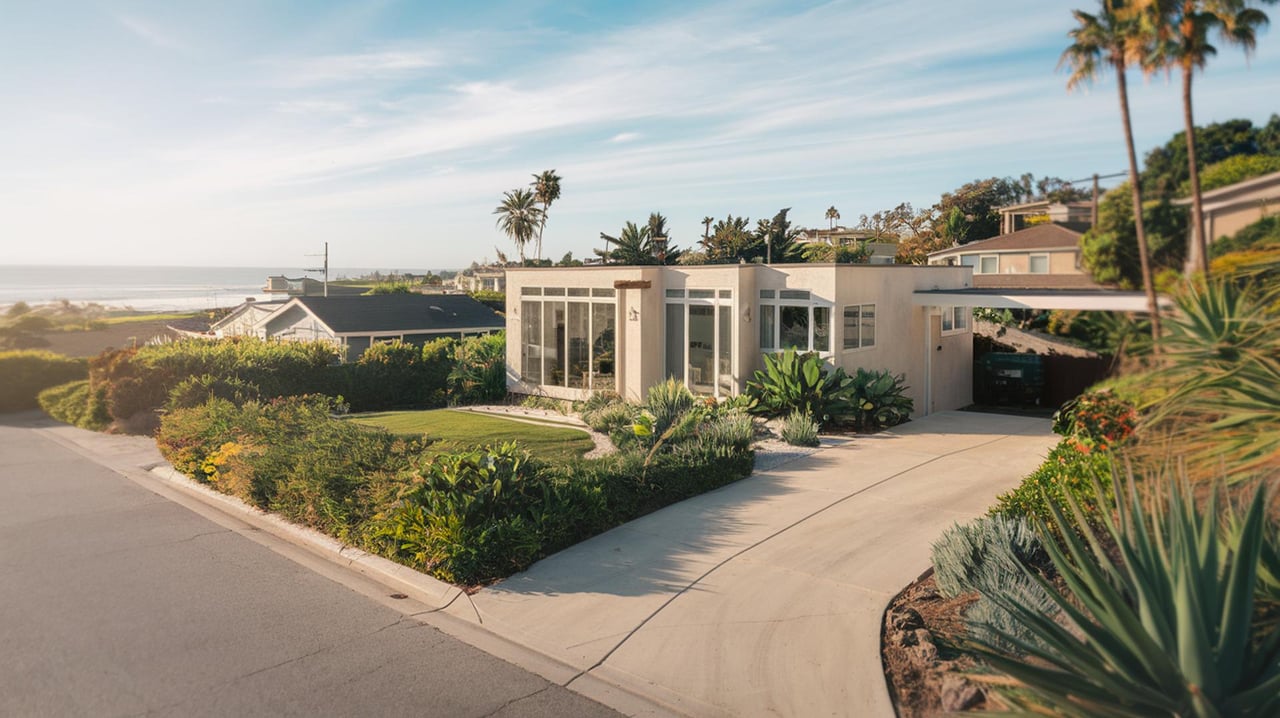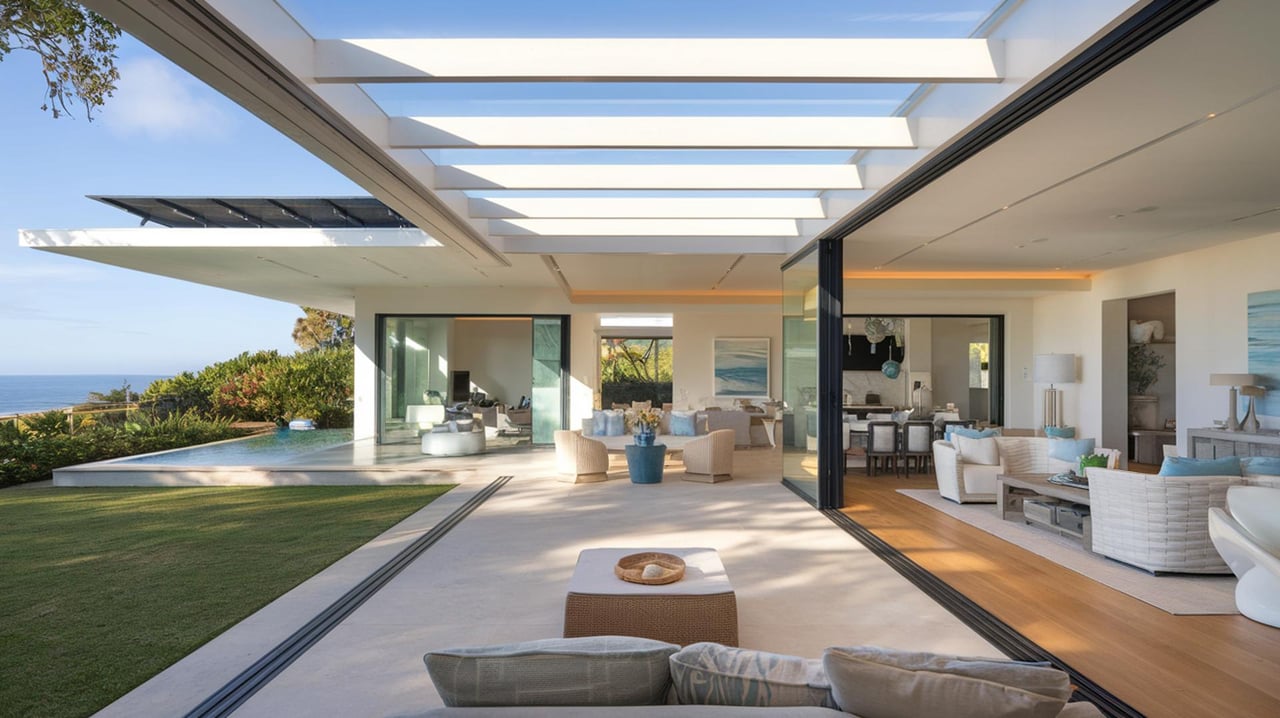
On January 30, 2026, the Rancho Santa Fe Association board approved an $8 million overhaul of the golf club restaurant, complete with a reimagined entrance, a wine lounge, and a card room. The design cleared review in a matter of weeks. A homeowner down the street who wants to add a bedroom or resize a pool can expect months, multiple submittal rounds, and a body called the Art Jury studying whether the addition changes how the house reads from the street.
That gap did not happen by accident. Three weeks before the clubhouse vote, on January 8, 2026, the same board approved two resolutions that split Rancho Santa Fe's design review process into two tracks. One is for the Association's own projects. The other is for everyone else. If you own property in the Covenant, or you are close to buying one, that split changes how you should read a disclosure package, a set of as-built plans, or a seller's claim that "everything is permitted."
What actually lands on the Art Jury's desk
The Art Jury is not a rubber stamp and it is not optional. It meets every three weeks on Tuesdays at 8:30 in the morning, and it reviews new construction, additions, pools, walls, fences, guest houses, equestrian facilities, and in many cases exterior color and major landscape changes. Larger projects go further than a paper submittal. Story-pole staging and neighbor notice are common for anything with real mass, so the neighbors get a physical sense of what is about to rise before it does.
Art Jury president Bill Danola has described the review lens in plain terms: the Ranch's character comes from site design that preserves natural landforms and keeps new construction from feeling obtrusive. In practice that means the Jury pays close attention to bulk and mass. The regulatory code allows single-story structures up to 25 feet, but Danola has said he could not recall approving anything past 23, and even that was one isolated element rather than the bulk of a house. A home visible from a ridge or a public road gets scrutinized harder than one tucked into a valley nobody else can see.
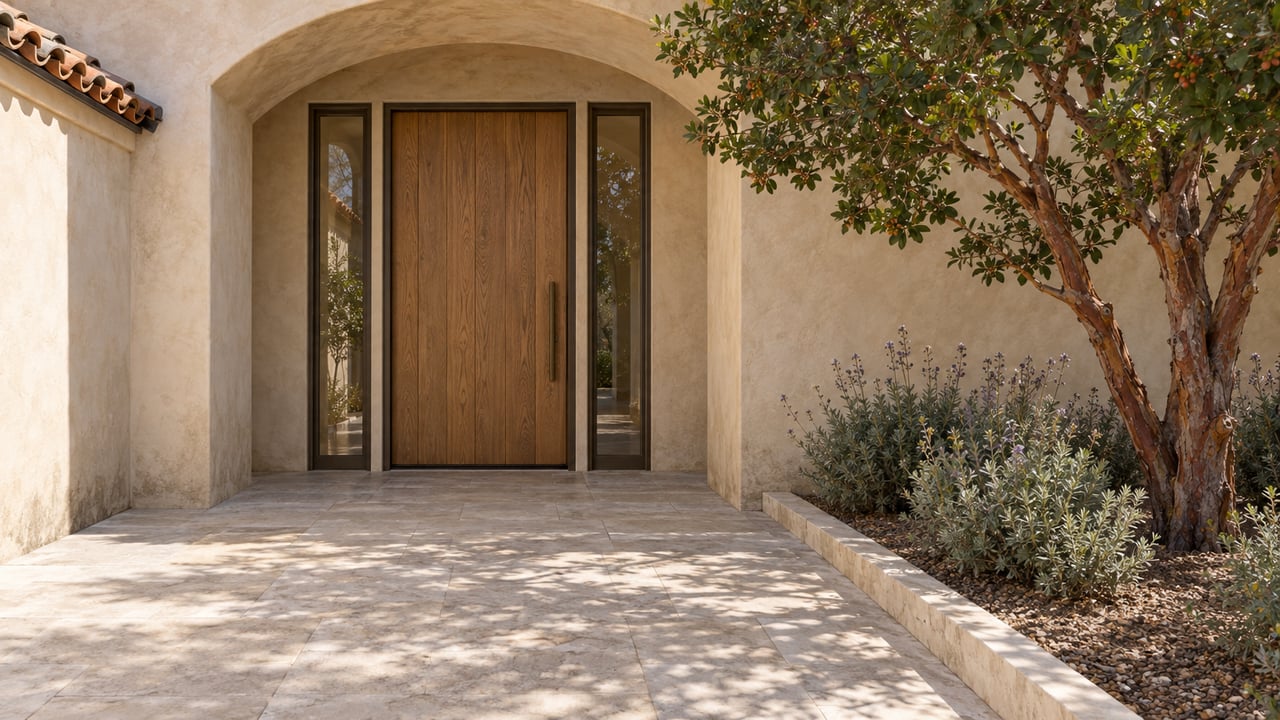
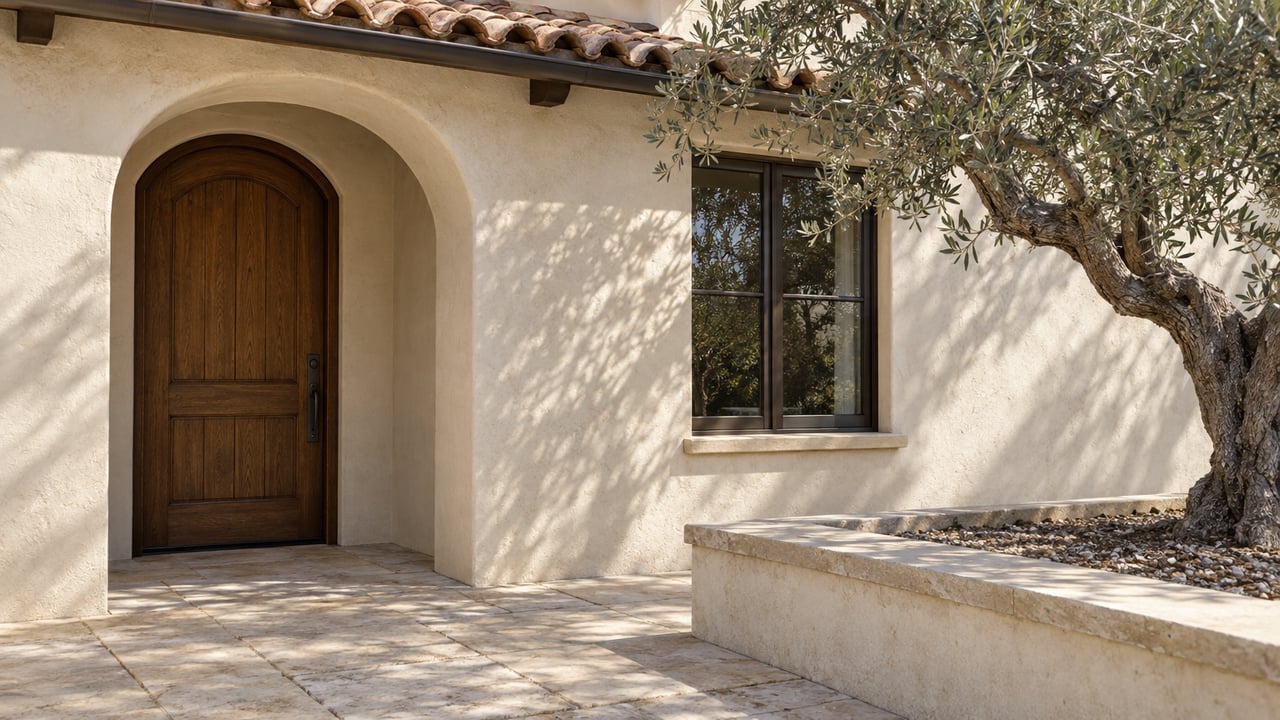
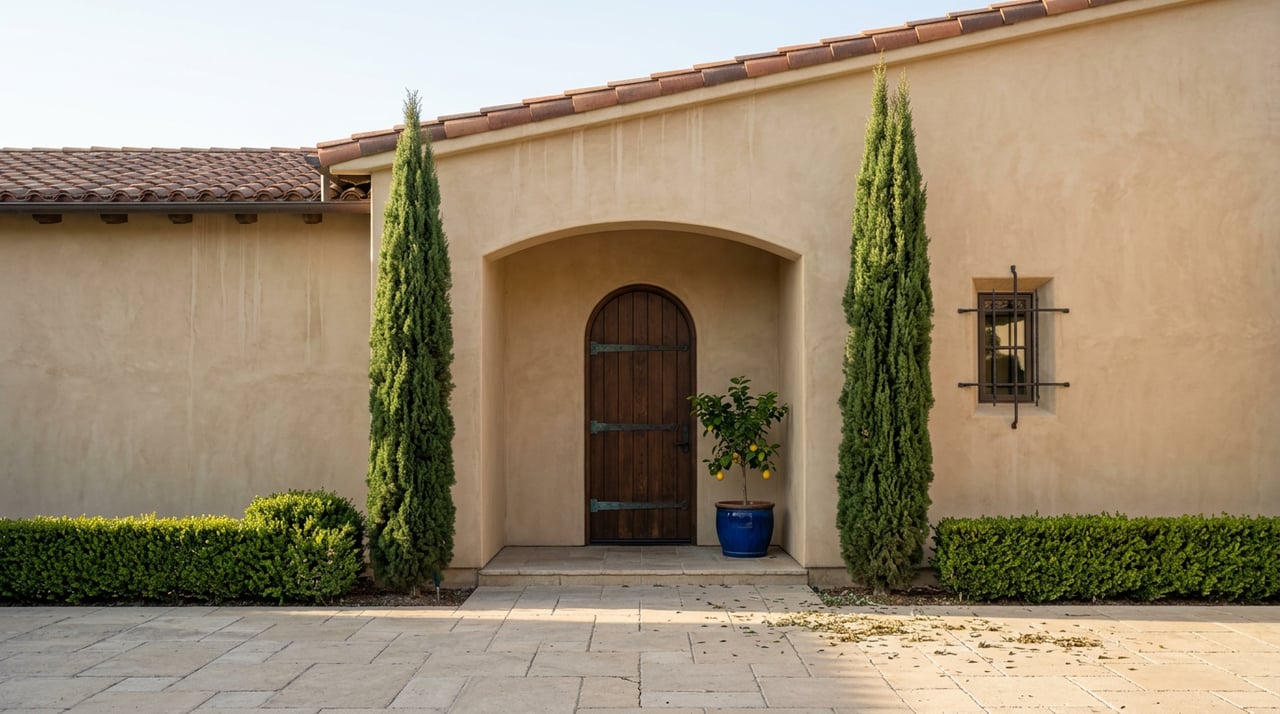
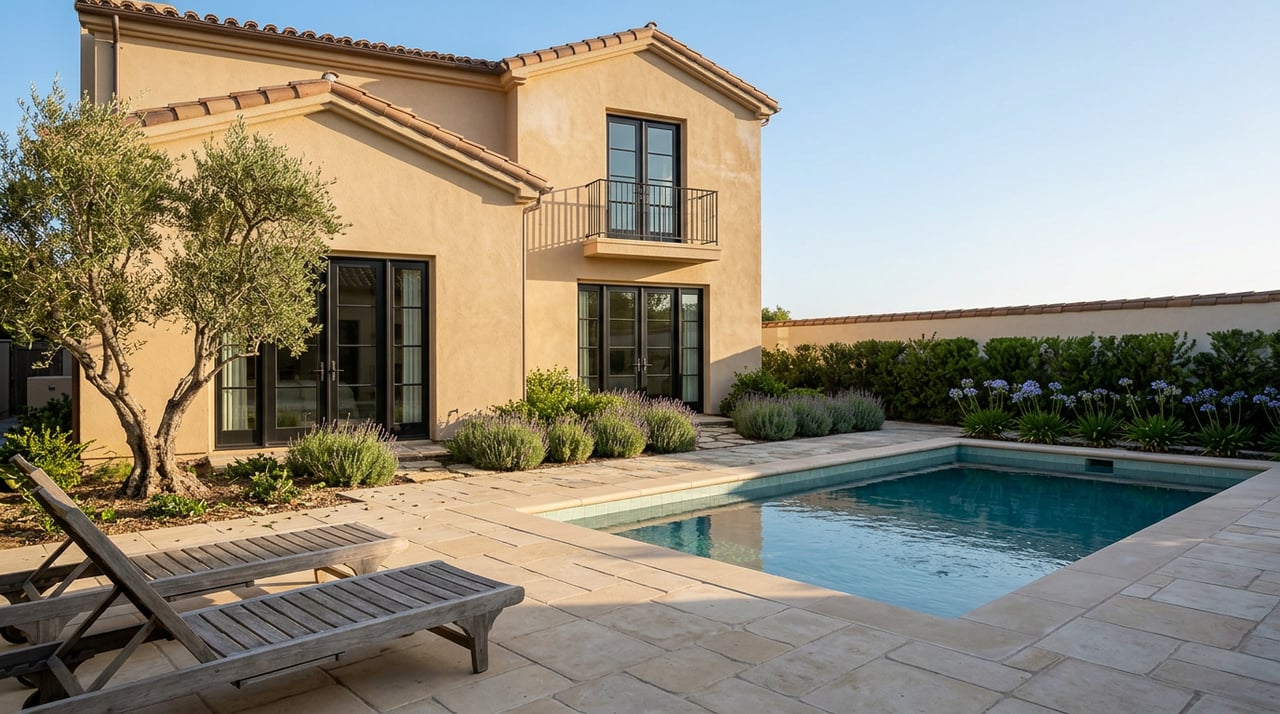
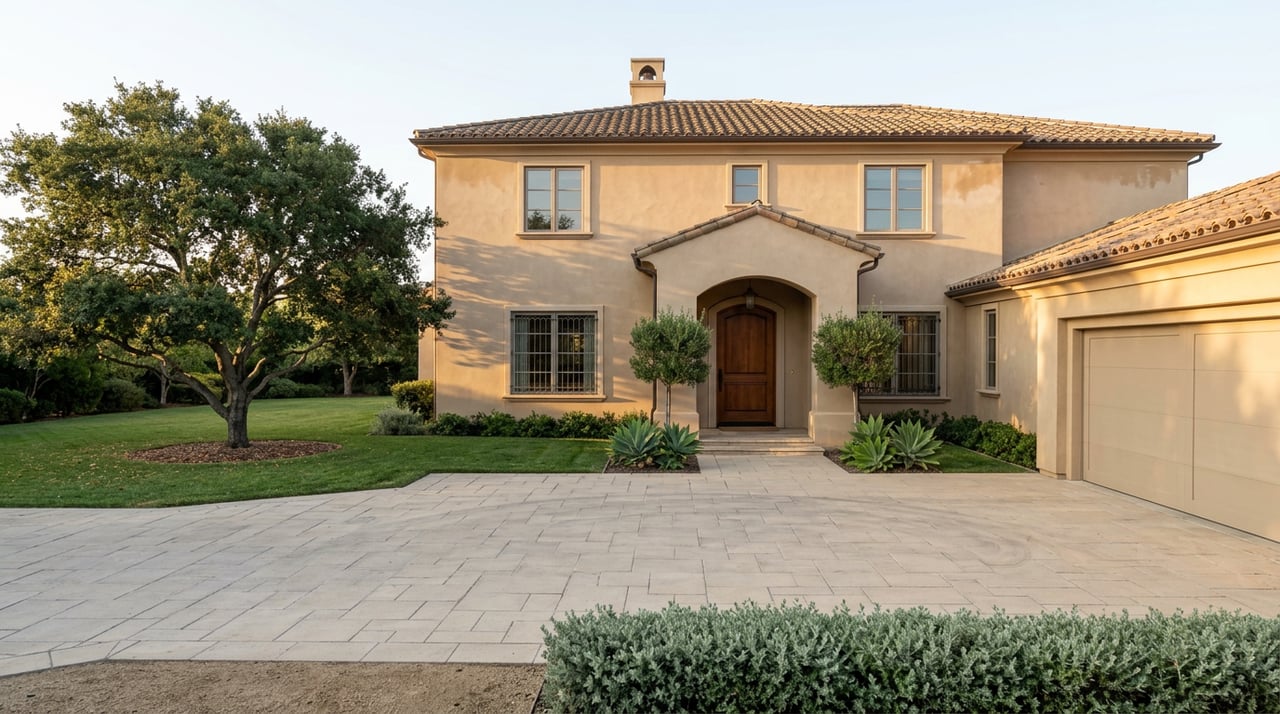
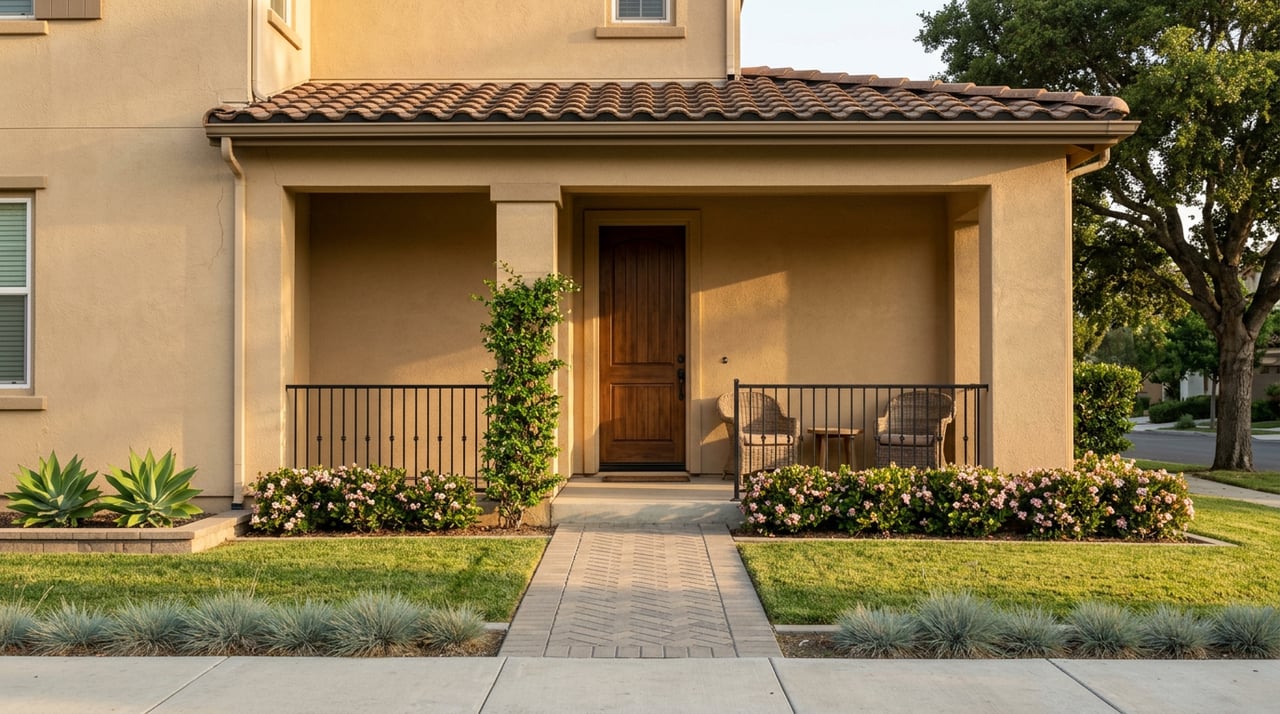
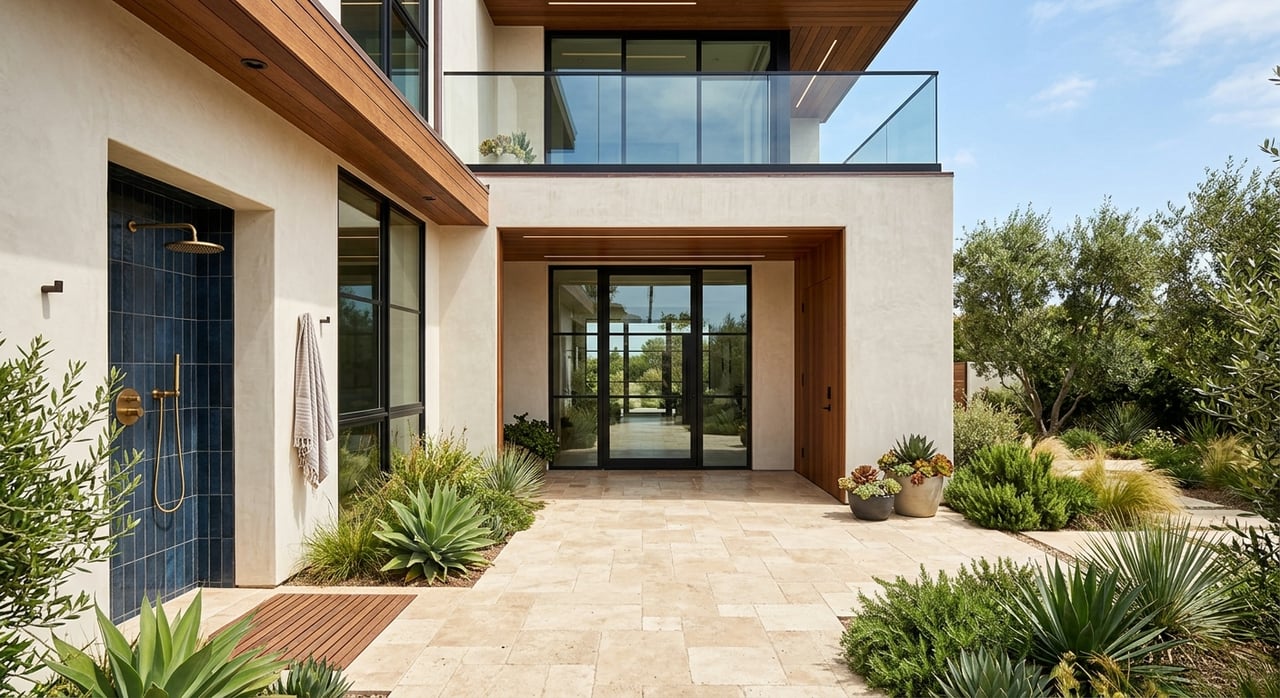
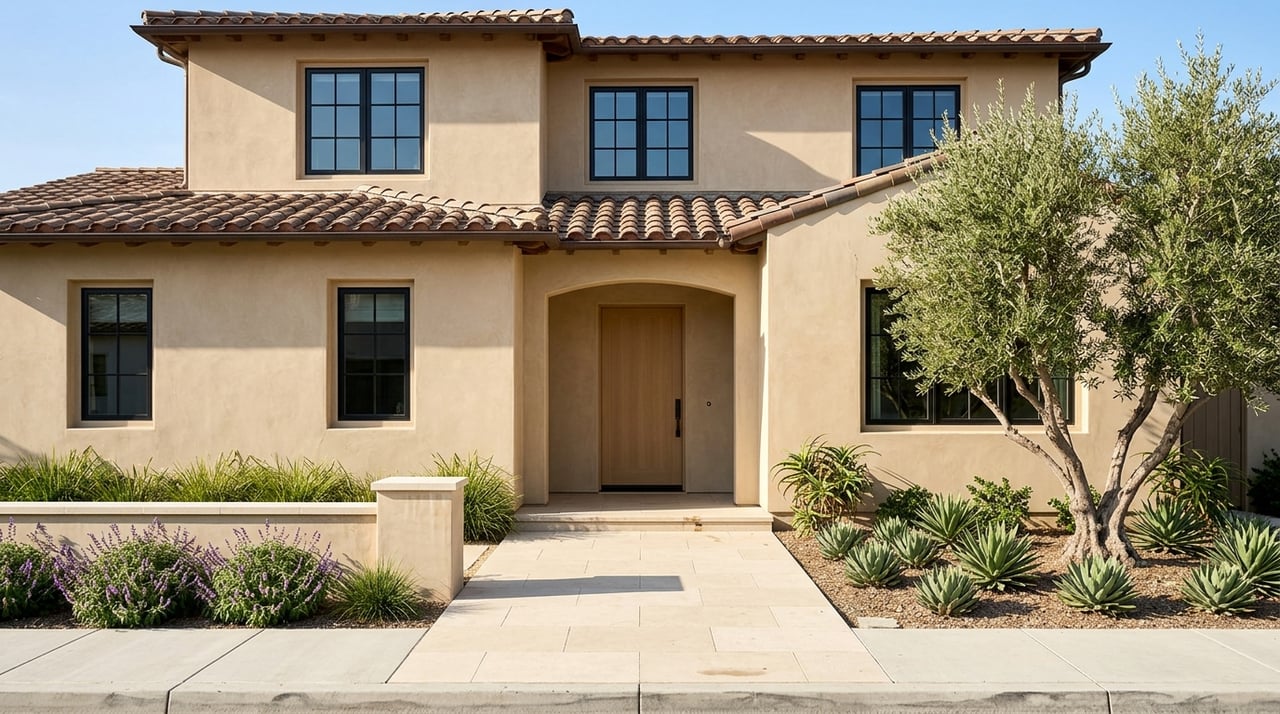
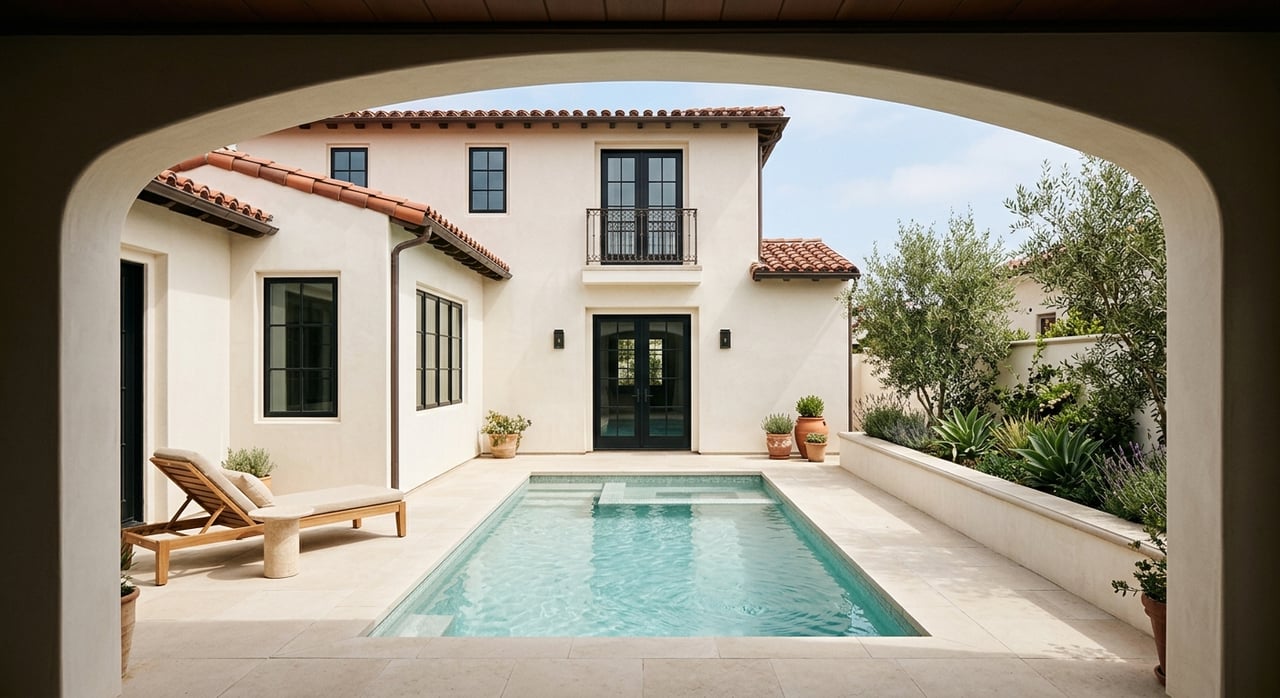
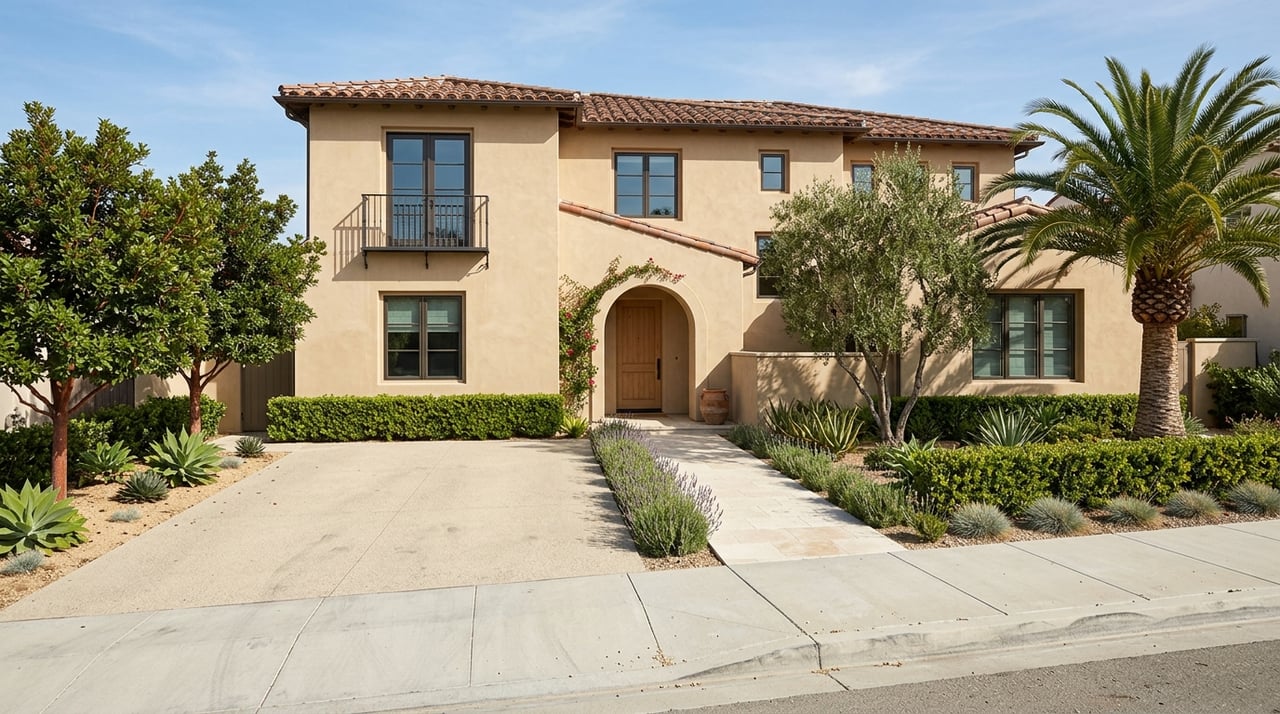
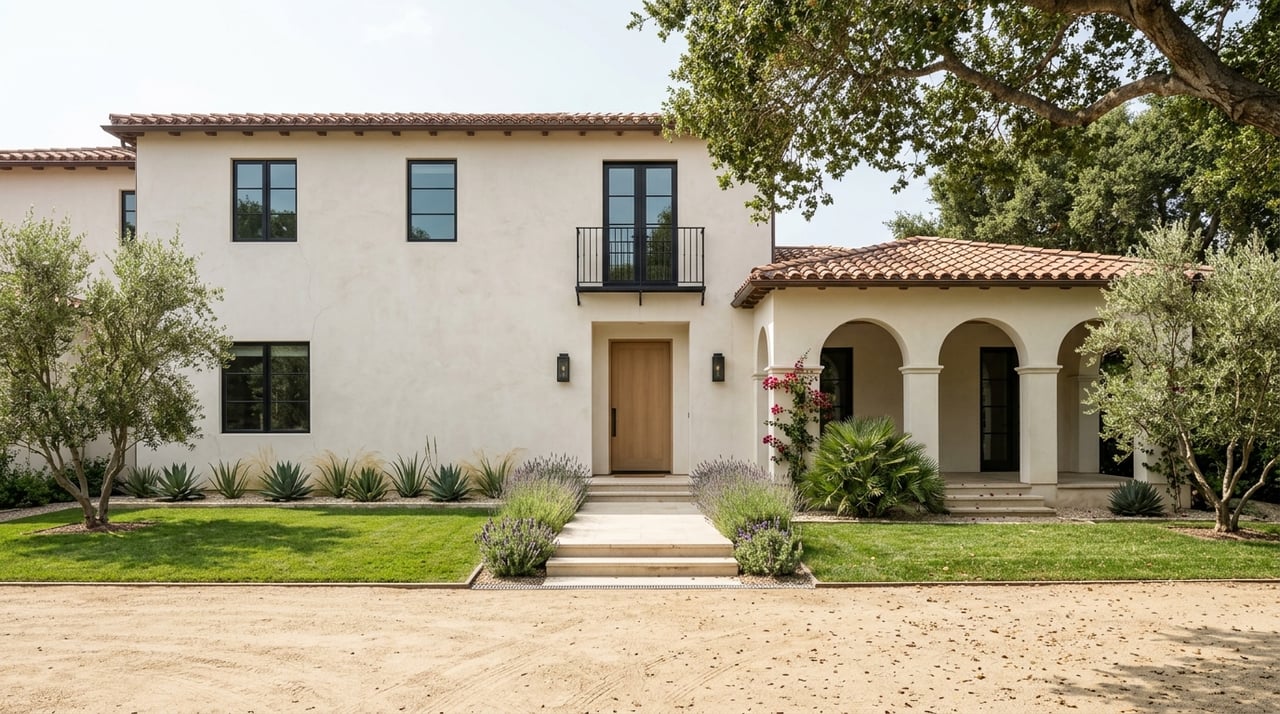
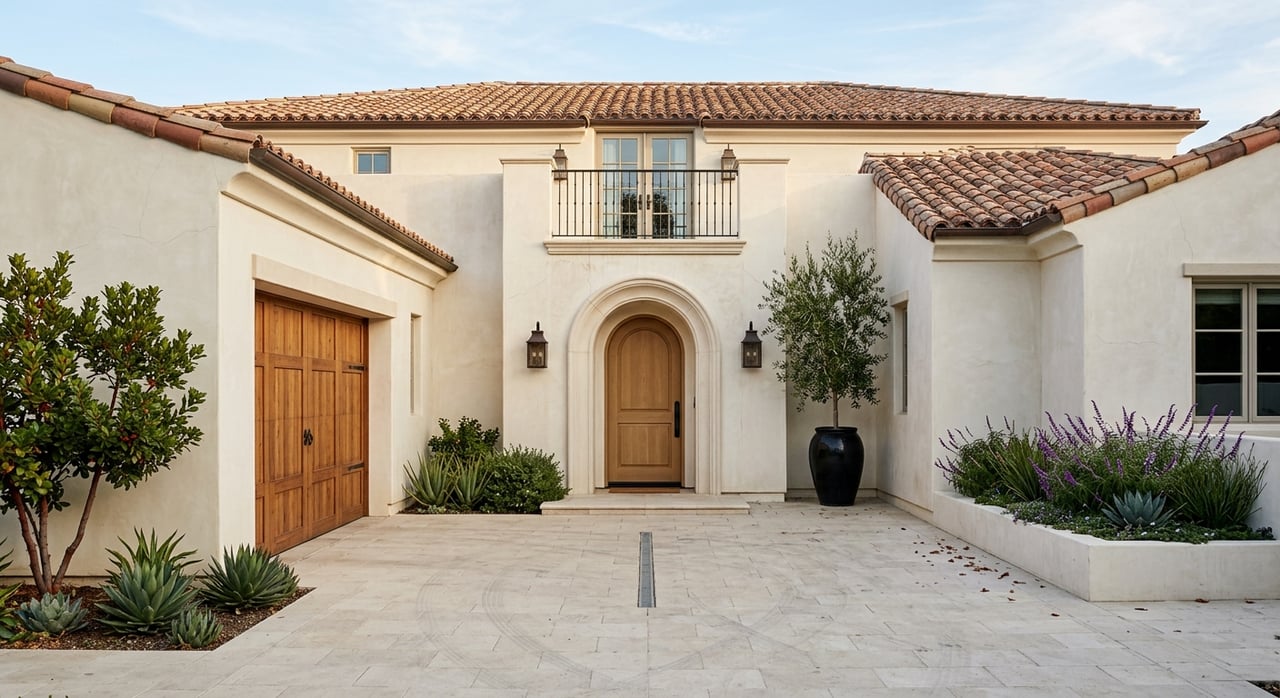
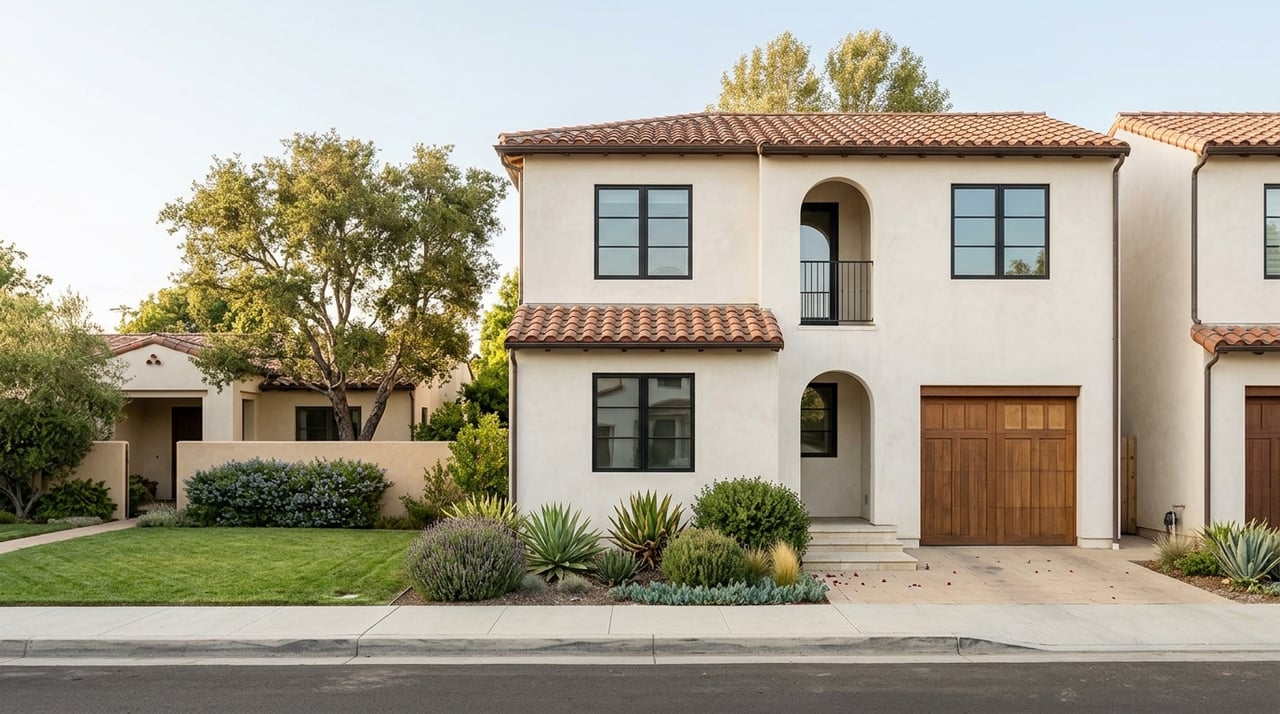
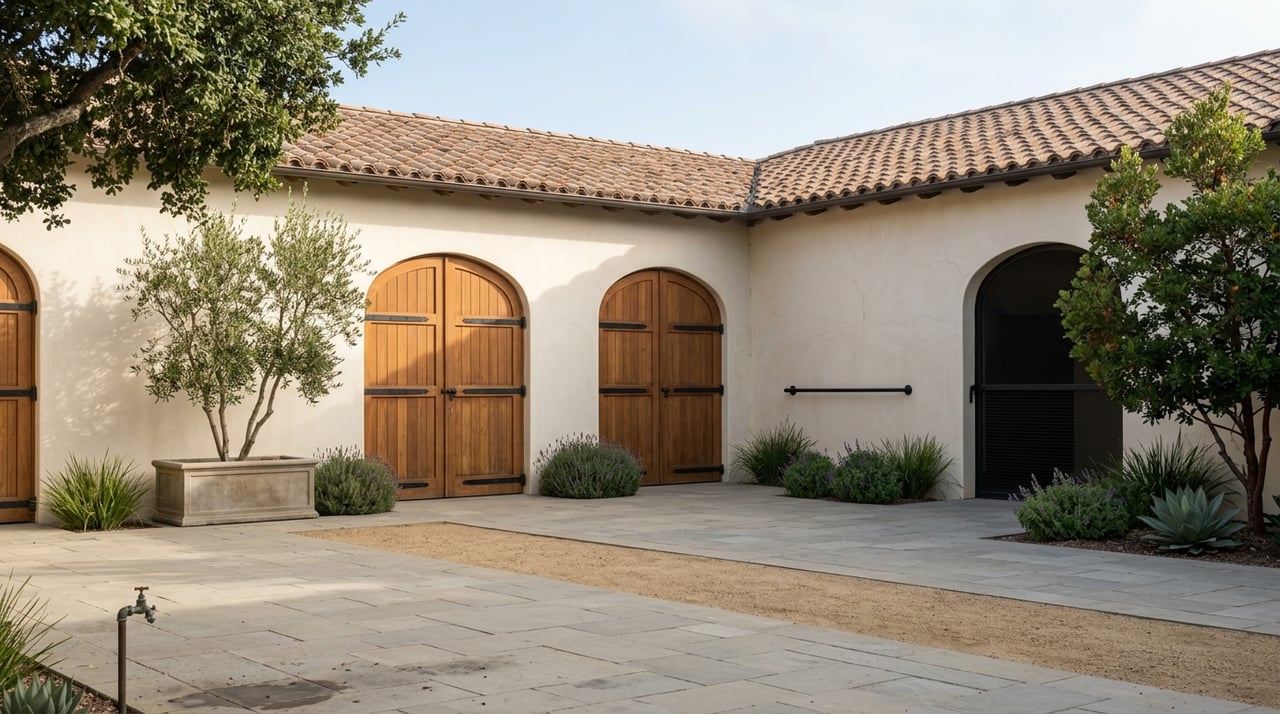
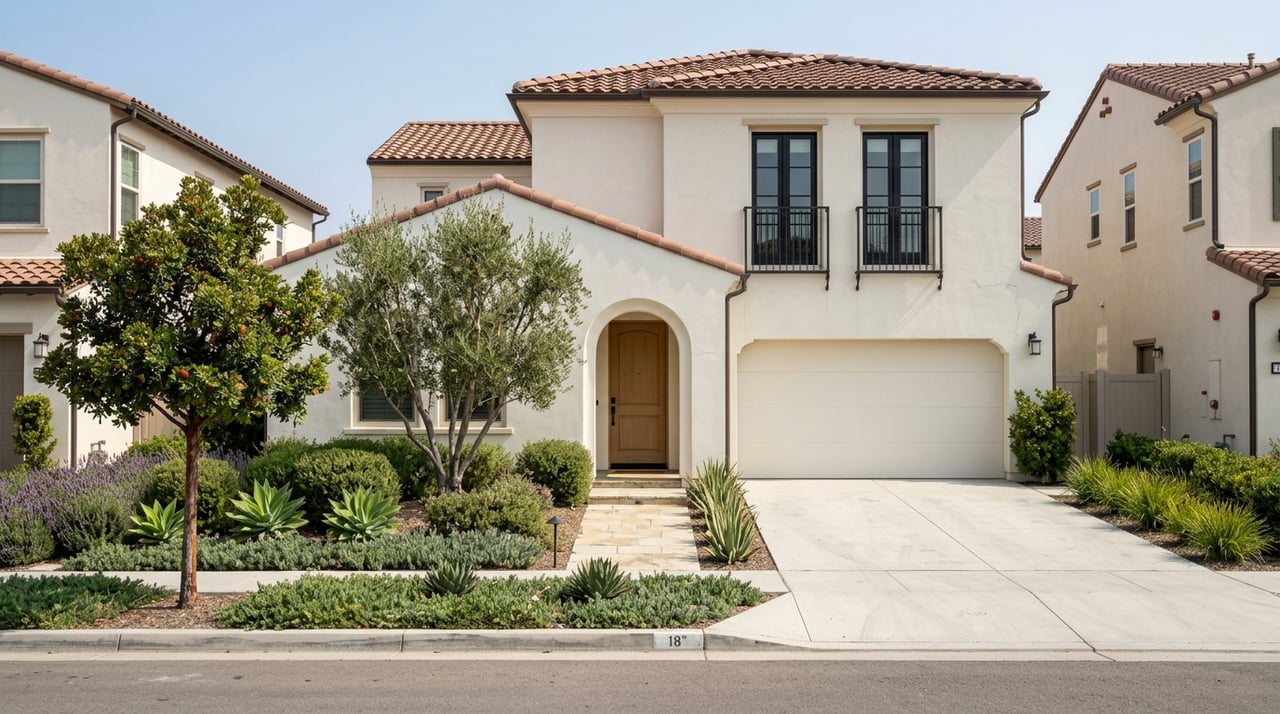
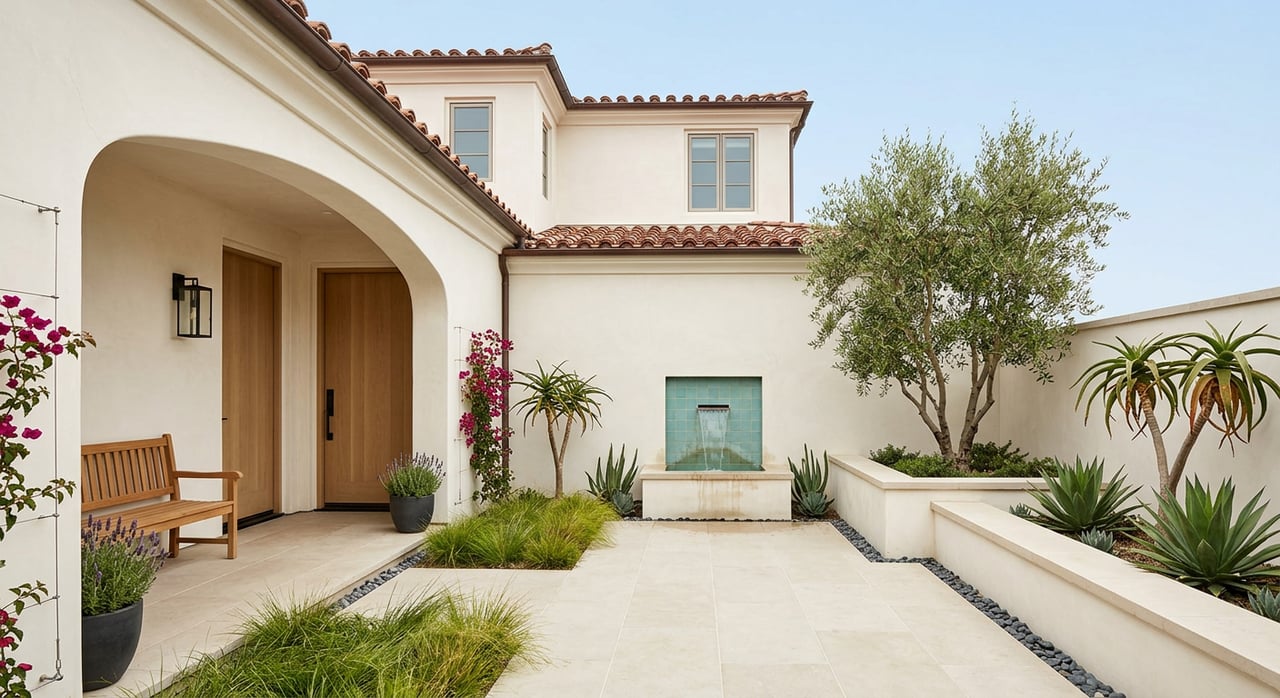
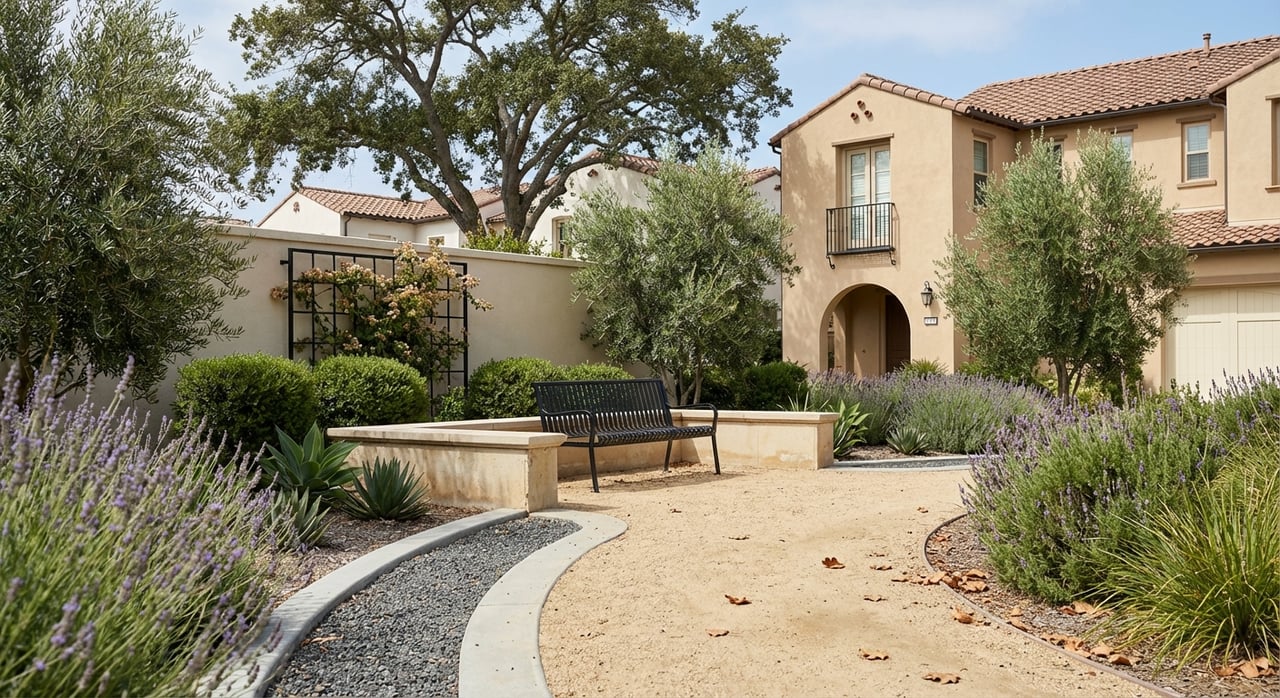
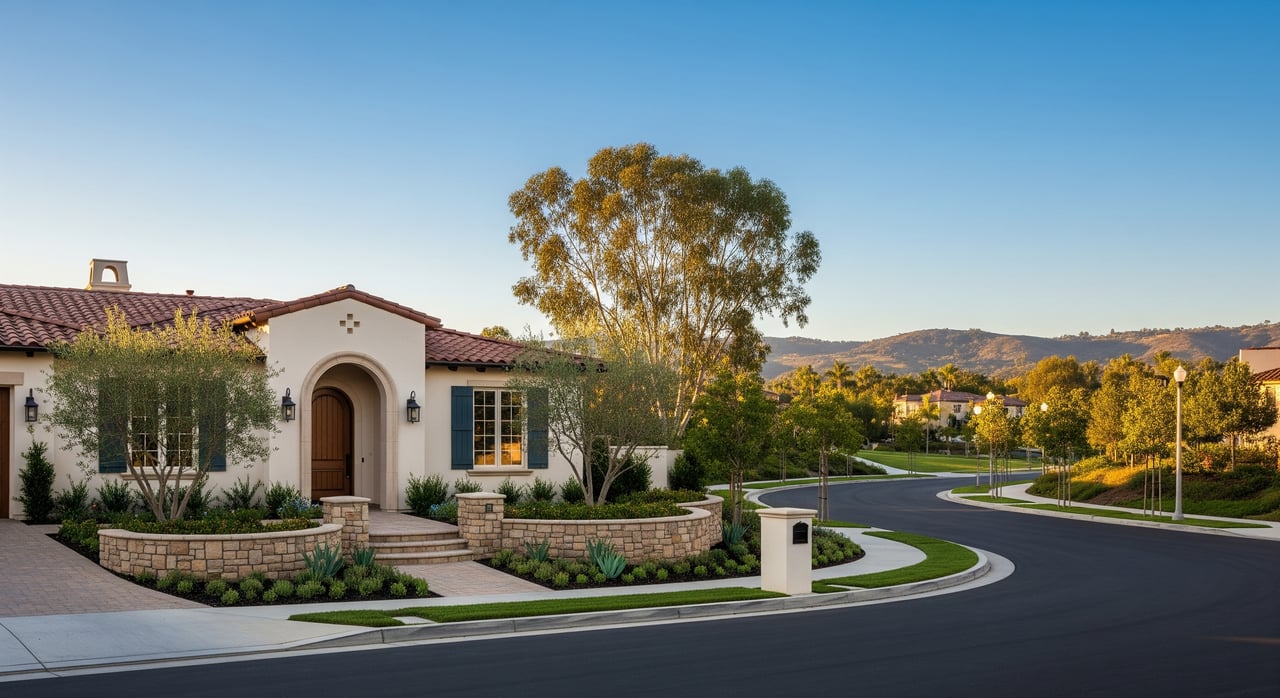
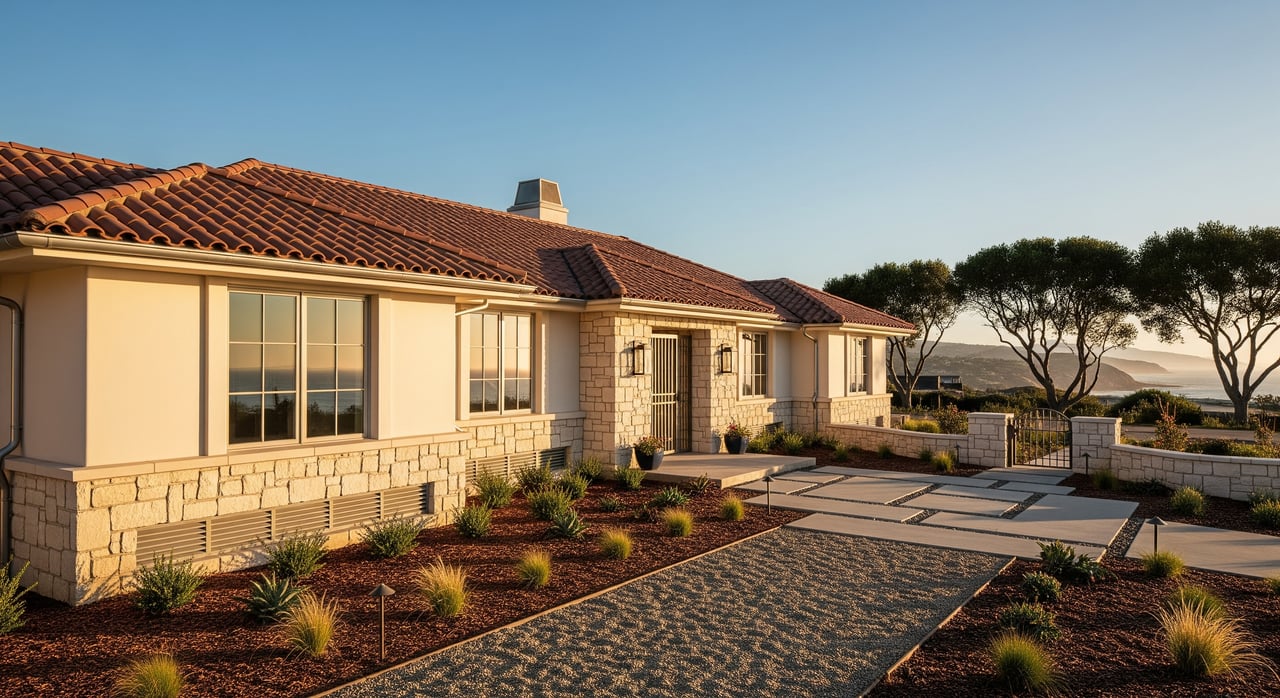
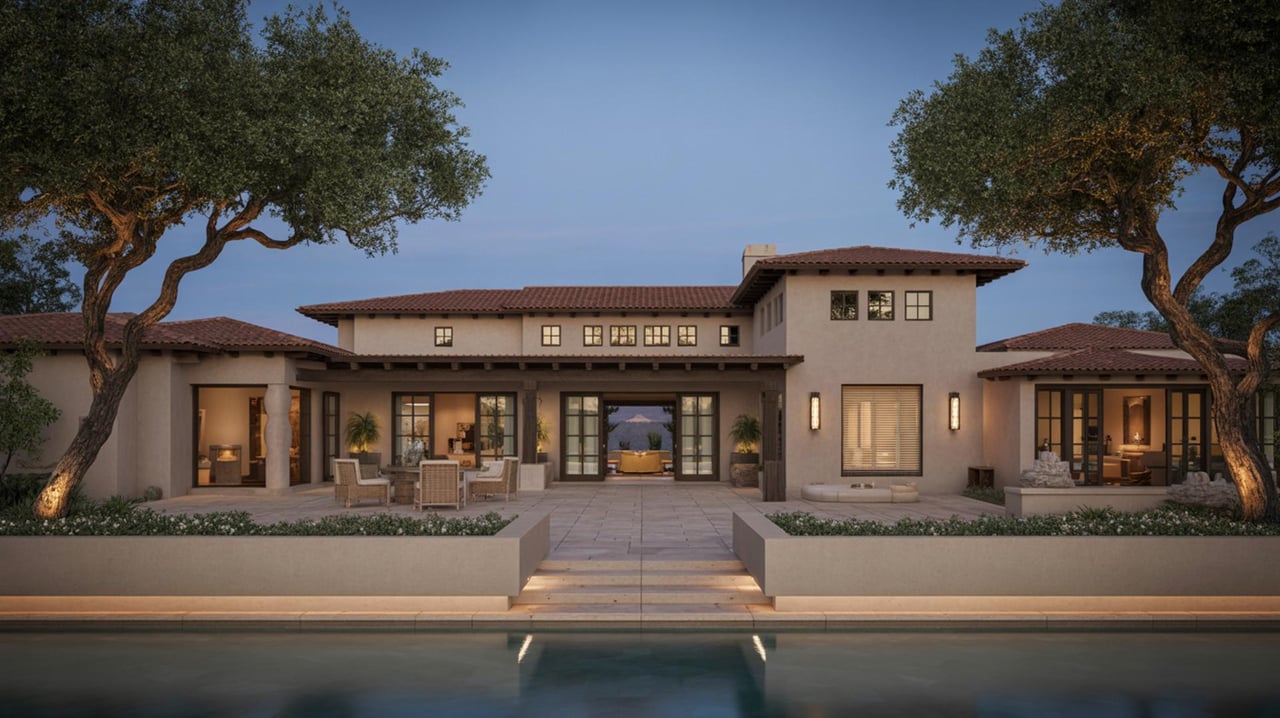
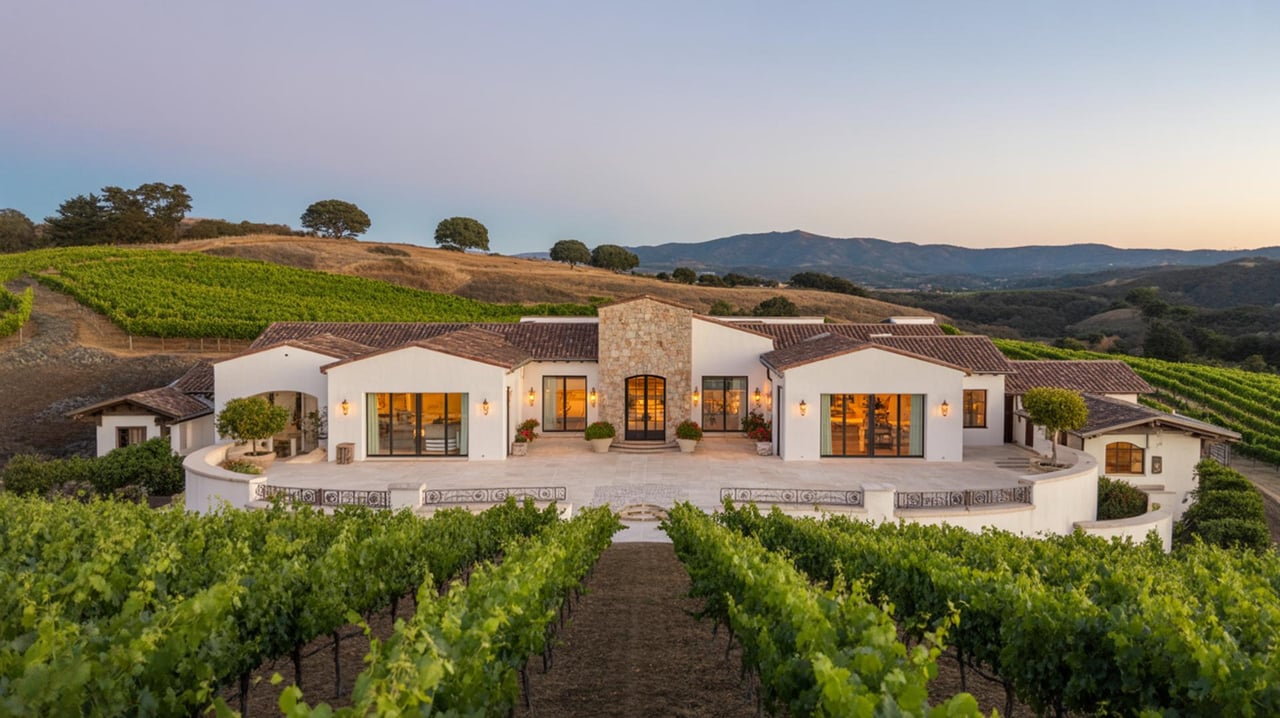
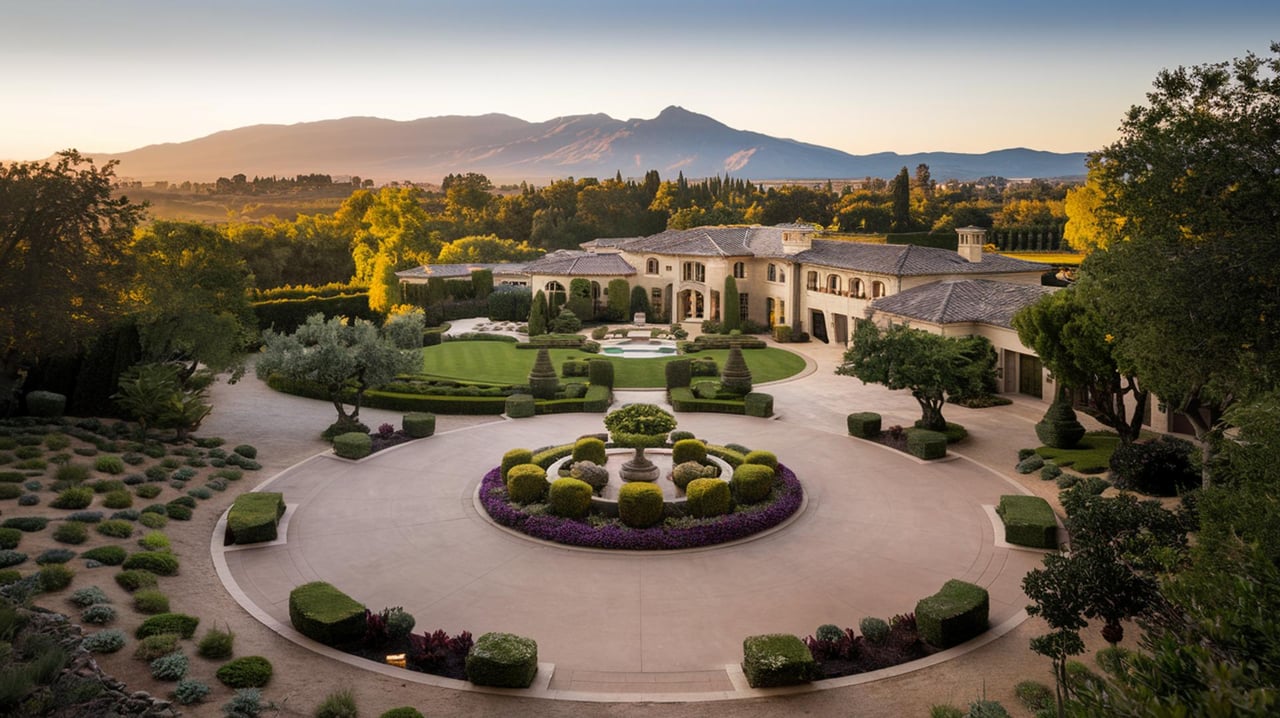
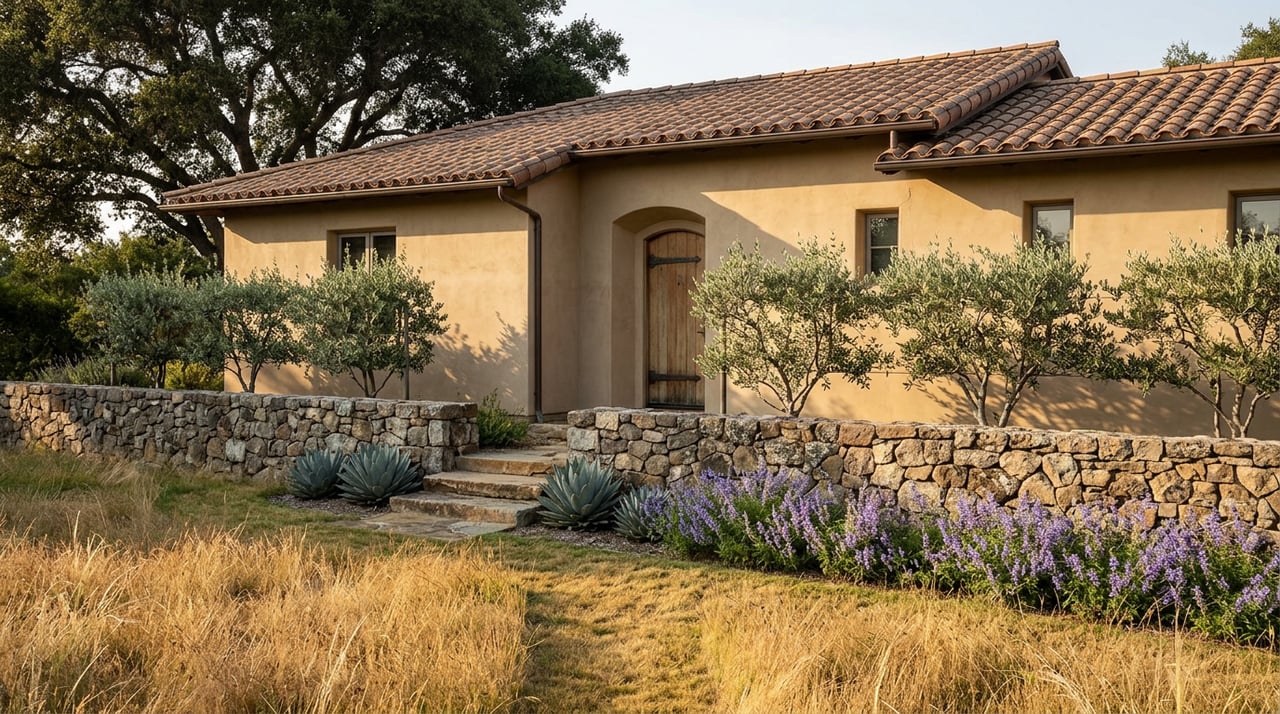
None of that is arbitrary bureaucracy. It is the reason a stucco wall and a clay tile roof in the Covenant still look like they belong to the same century as the ones built when Lilian Rice laid out the original Spanish Colonial vision for the Inn in 1923.
The rule that changed, and who it changed for
Here is the asymmetry the January resolutions created. Under the Protective Covenant as written, if the Art Jury objects to a homeowner's project, the board can only overturn that decision with a four-fifths supermajority vote and specific findings that the Jury's call caused hardship, lowered community standards, or reflected bias. That is a high bar by design. It exists so that one applicant, even a well-connected one, cannot simply argue its way past an independent design check.
The Association just built itself a different door. One resolution created a separate review process for Association-sponsored projects, distinct from what every homeowner follows under the Covenant when remodeling a kitchen or adding a wing. The second shifted more Art Jury authority to Building Department staff. The Association's own project now caps at three review rounds, ideally two, and the board can move forward even if the Jury has unresolved concerns, because the board is both the applicant and the body that would hear any appeal. As the resolution's critics put it in local reporting at the time, that is one set of rules for members and a more flexible set for the Association.
| Homeowner remodel or addition | Association capital project | |
|---|---|---|
| Reviewed by | Art Jury, meeting roughly every three weeks | Same Art Jury, under the January 2026 fast-track process |
| If the Jury objects | Board can override only with a four-fifths supermajority and documented findings | Board can proceed within a capped review, with or without full Art Jury sign-off |
| Appeal path | Mediation and a public hearing are available | Board acts as both applicant and decision maker |
The practical lesson for anyone touching Covenant real estate is not that the Association is acting in bad faith. It is that the paperwork trail for a project depends entirely on who filed it. You cannot assume a building matches its file just because it looks finished.
What this means when you are the one in escrow
This is where the governance story becomes a transaction story. Diligence guides for Covenant properties consistently flag the same issue: unapproved exterior changes are one of the more common disclosure and title problems that surface during a sale. A pool, a guest house, or a fence built without Art Jury sign-off does not disappear from the property just because nobody objected at the time. It sits there as an open question a buyer's attorney or lender may raise later, and as a seller you want to know the answer before you list, not after an offer comes in.
Two other verification points matter more in Rancho Santa Fe than in most San Diego County neighborhoods. Art Jury approval and county approval are separate tracks and one does not substitute for the other. A project can carry a full county building permit and still be out of compliance with the Covenant, or the reverse. Second, utility service is not uniform across the Covenant. Some parcels connect to public sewer and to the Santa Fe Irrigation District's potable and recycled water service, while others rely on private wells and septic systems. A septic system's permitted capacity can directly limit whether an additional bathroom, guest house, or pool gets approved, so confirming what is actually installed, tested, and permitted on a specific parcel matters more than assuming it matches the house next door.
The dues that fund the Association's Building Department and Art Jury staff are worth knowing too. For fiscal year 2026, which runs from July 2025 through June 2026, the general assessment sits at fifteen cents per hundred dollars of county-assessed property value. That is a small fraction of the one percent property tax rate, but it is a real, recurring line that should show up clearly in any disclosure package, alongside any record of open violations or pending enforcement.
The Silvergate lesson: approved is not the same as finished
If you want proof that "Art Jury approved" is one gate among several rather than a finish line, look at the Silvergate senior living project. AmeriCare Health and Retirement has spent roughly three years in entitlement planning and design review for a senior campus at the corner of Calzada del Bosque and Via de la Valle. Over that period the developer made about 25 design changes and shrank the footprint from around 29 acres to 23, in direct response to Art Jury feedback. In March 2026 the Art Jury finally voted unanimously to approve the design, and even then the unit count kept moving. The Jury's own decision to let the memory care building rise two stories instead of one pushed the total back up after earlier revisions had brought it down.
That vote did not end anything. The project still needs plan review from the Rancho Santa Fe Association board and a major use permit from San Diego County, and a resident group has pushed the board to treat any substantive change as a formal covenant amendment requiring a two-thirds membership vote. Whatever you think of the project itself, the sequence is the point: even a unanimous Art Jury approval sits inside a longer chain of sign-offs, not at the end of it. Homeowners planning a remodel should expect the same layering on a smaller scale, and buyers evaluating a home with recent work should ask which of those layers actually got completed.
What to actually pull before you write an offer
- Request the recorded CC&Rs, the Regulatory Code, and any Art Jury approvals tied specifically to the parcel, not just the neighborhood
- Ask for as-built plans and confirm they match what the county permit history shows
- Confirm whether the property is on sewer or septic, and identify which water district serves it
- Check for open violations or unresolved enforcement actions with the Association before removing contingencies
- If the home includes a pool house, guest unit, barn, or arena, get the specific approval and inspection records rather than assuming a finished look means a finished file
A few straight answers
Does Art Jury approval replace a county building permit? No. They are separate tracks. Rancho Santa Fe is unincorporated, so San Diego County still issues building, grading, and septic or sewer permits regardless of what the Association approves.
What if the seller can't produce Art Jury records for past work? Missing approvals do not necessarily mean the work is illegal, but they create the kind of uncertainty that buyers and lenders tend to discount. Resolving them, or at least documenting the gap, before listing is generally worth the effort.
How long should I expect design review to take? The Art Jury meets roughly every three weeks, and straightforward projects can clear in a round or two. Larger additions that require story-pole staging and neighbor notice, or that touch bulk and mass on a visible site, routinely take longer. Build that into any remodel timeline before you commit to a closing date on financing tied to the work.
Buying or selling inside the Covenant means reading two rulebooks at once, and now, thanks to the board's own January vote, being clear about which one actually applies to the property in front of you. If you want a local read on a specific Rancho Santa Fe parcel before you write an offer or list a home with unfinished paperwork, Shay Realtors can walk through what the disclosure package should say and what it is missing.