In the three months ending in June 2026, the median sale price for a home in Carlsbad Village came in at $2.0 million, down 11 percent from the same window a year earlier. That sounds like a market cooling off. Then you look at the other number sitting next to it: homes in the Village are now taking an average of 127 days to sell, up from 27 days the year before. A price that eased slightly and a selling timeline that nearly quintupled are not the same story, and a single blended Carlsbad median cannot tell you which one you're actually buying into.
Only 14 homes closed in the Village that June, up from 8 the year before, so treat the percentages with some caution. Small sample sizes swing hard on a handful of unusual sales. But the split itself, high price holding while velocity collapses, is worth sitting with, because it points at something specific about this particular stretch of coastline that a citywide number was never built to capture.
The Same City, Two Very Different Markets
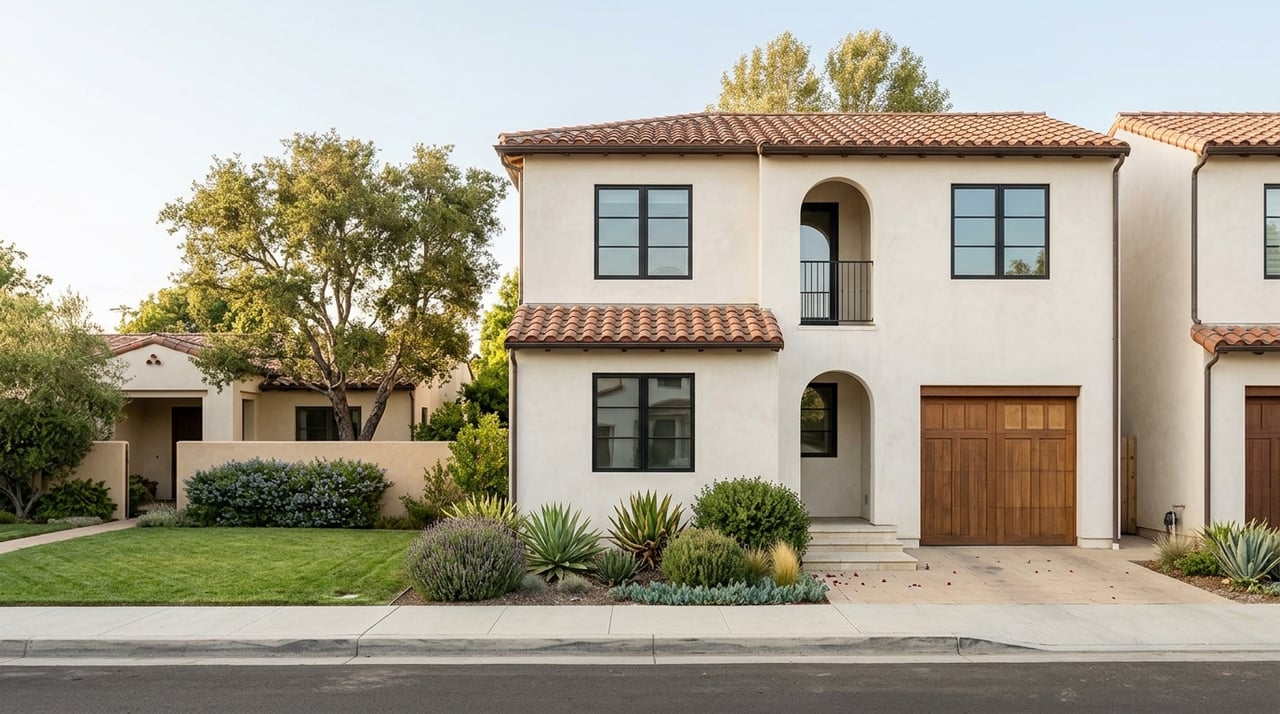
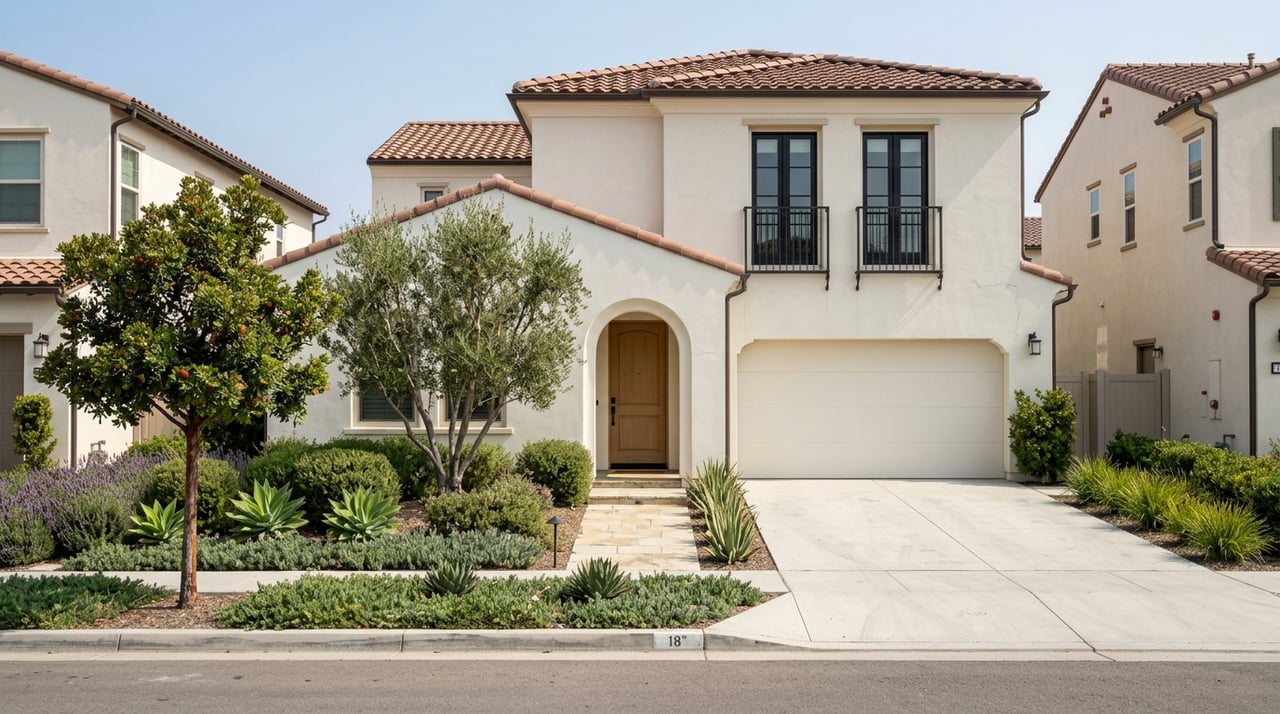
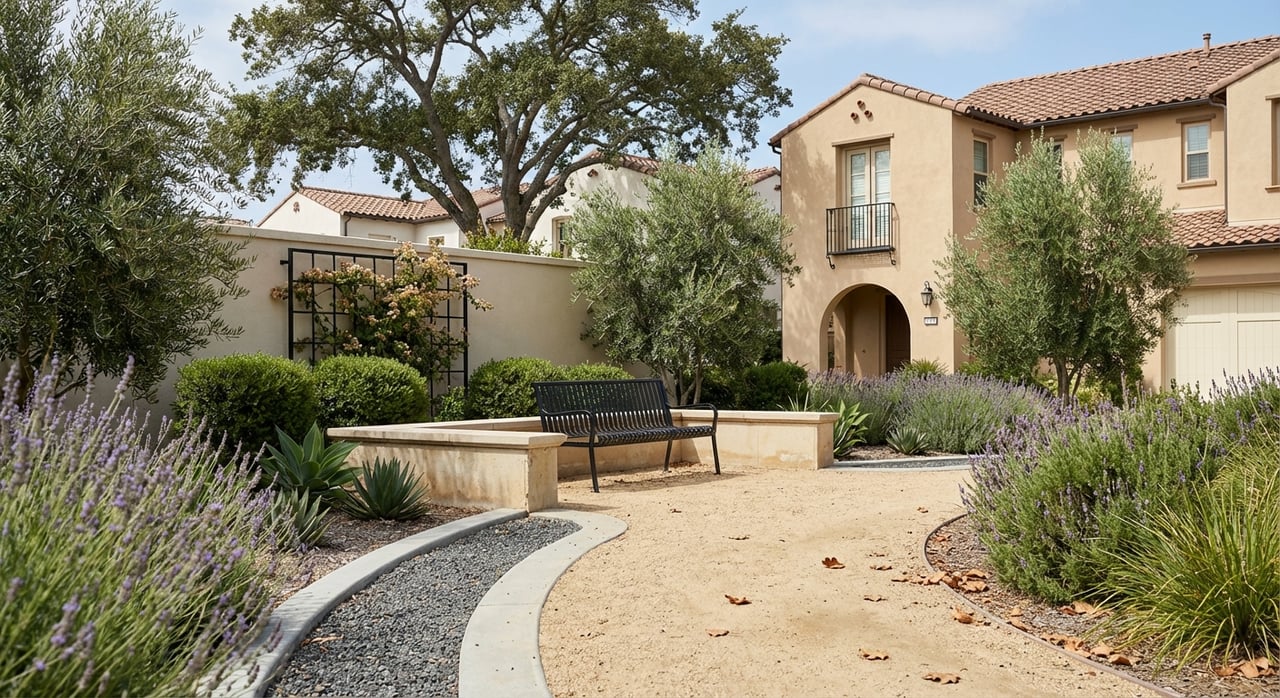
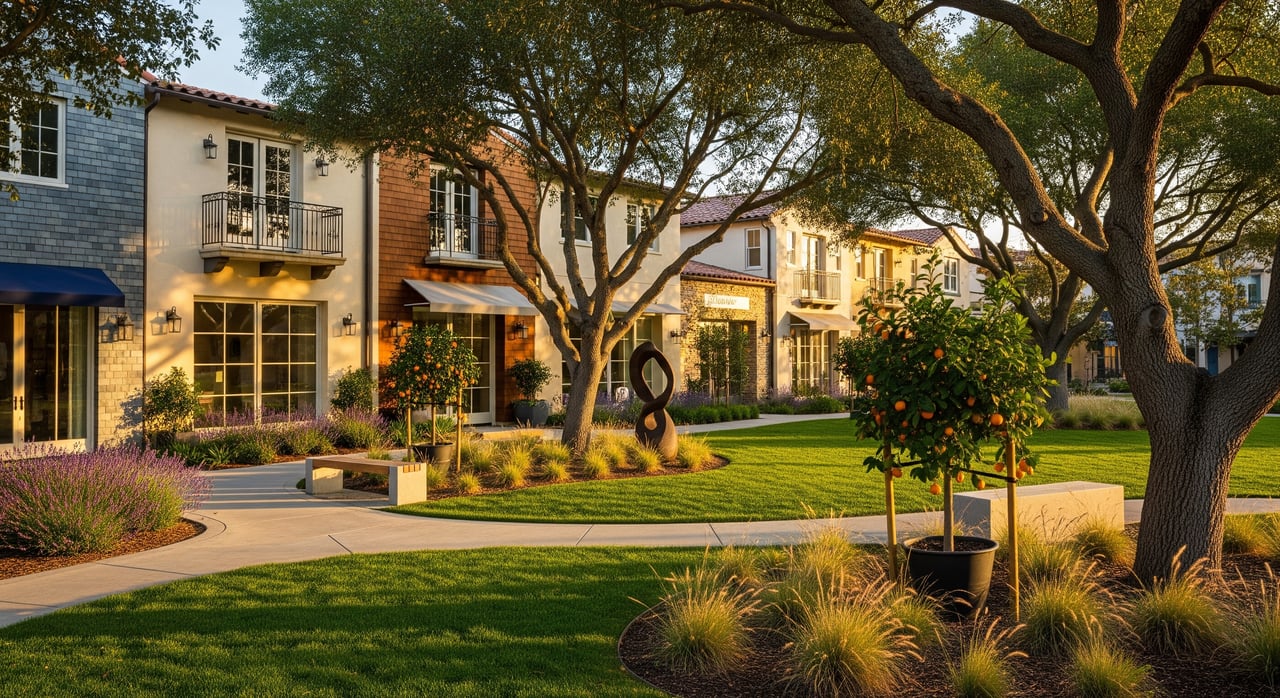
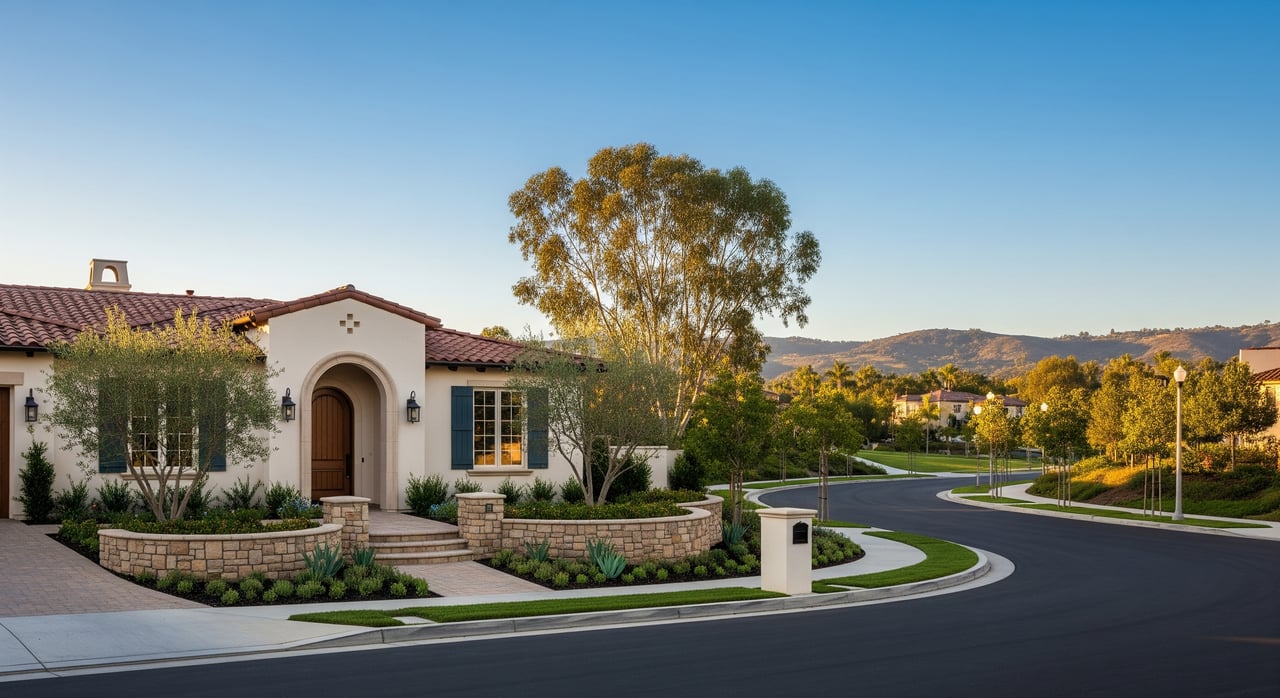
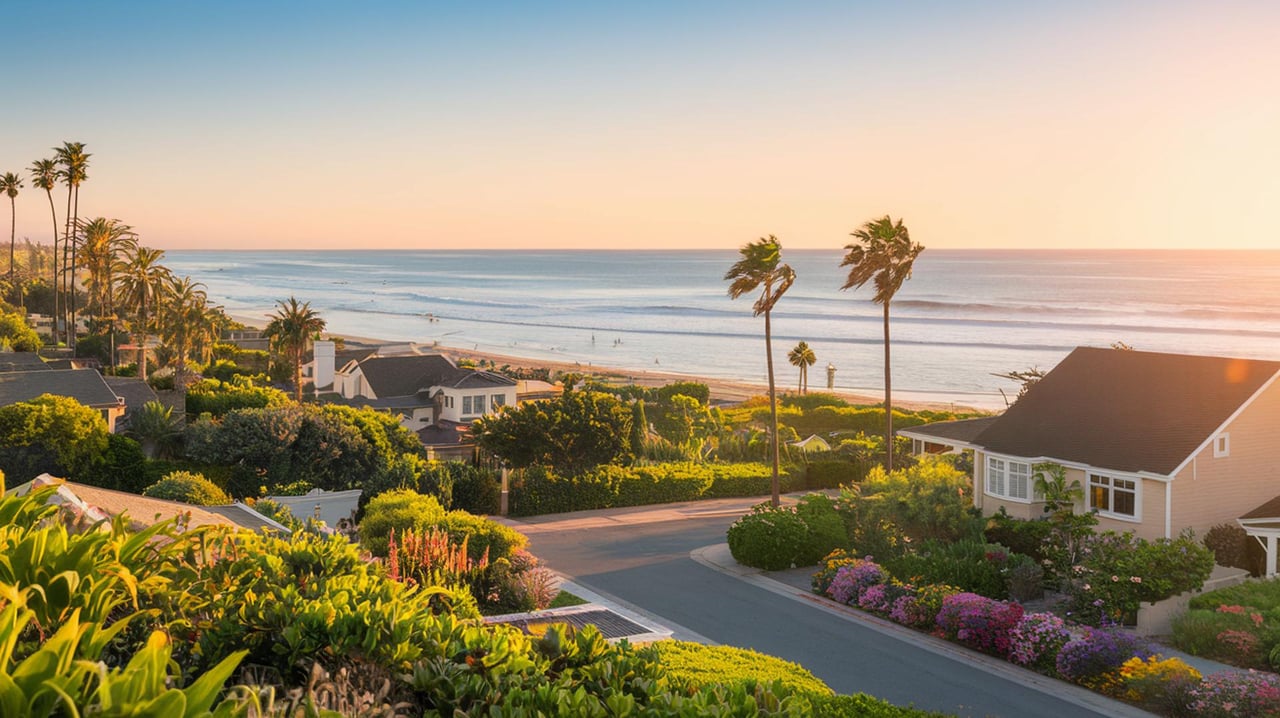
Carlsbad isn't one housing market wearing one zip code. It's a walkable coastal core bordered by the ocean and the railroad, plus a ring of inland master-planned communities, Aviara, Bressi Ranch, La Costa, Calavera Hills, Rancho Carrillo, that trade beach proximity for space, newer infrastructure, and quiet streets. Citywide figures reported by national home-value trackers this year have ranged anywhere from roughly $1.4 million to $1.69 million depending on which source and which month you're reading, and that spread alone tells you the "median" is doing a lot of averaging across neighborhoods that don't behave alike.
Local agents covering the inland pockets describe them as acting almost like a separate asset class: even as broader Carlsbad inventory rose sharply this year, homes in top school zones around Aviara and Bressi Ranch kept selling briskly and holding price. Meanwhile the Village, the most walkable and arguably the most desirable address on paper, is the one place in the city where days on market stretched out this dramatically. If you're comparing a Village listing to a comparable-priced home in La Costa, the citywide median is not going to warn you that you're actually looking at two different risk profiles.
What's Actually Running Through the Middle of the Village
Here's the detail that doesn't show up in a listing photo. Carlsbad Village and its neighbor, the Barrio, are the city's two oldest neighborhoods, and the railroad runs through both of them at street level. When a train approaches, gates come down and cars, cyclists, and pedestrians simply wait. There is no quiet zone here. Under the federal Train Horn Rule, codified at 49 CFR Part 222, locomotive engineers are required to sound the horn, two long blasts, one short, one long, for 15 to 20 seconds before every public grade crossing, at a volume between 96 and 110 decibels, unless the local public agency has formally petitioned for and been granted a quiet zone with the safety upgrades that go with it. Carlsbad hasn't done that. Only a public authority can request one, and it has to accept liability for the crossings once the horn stops sounding.
That's not a temporary condition tied to construction. It's the current, ongoing legal default for every home within earshot of Chestnut Avenue, Tamarack Avenue, and the other at-grade crossings running through the Village and Barrio, and it will stay the default until the city petitions for a quiet zone or the tracks are physically separated from the street.
The Fix Has Been in Motion Since 2014, and It's Still in Design
Carlsbad has been trying to solve this for over a decade. The City Council first passed a resolution supporting double-tracking with grade crossing elimination back in 2014, appropriating $250,000 toward the effort. In late 2019, the city, SANDAG, and the North County Transit District held a public workshop at the Harding Community Center and met with groups including the Carlsbad Chamber of Commerce, the Army and Navy Academy, the Carlsbad Village Association, and Friends of the Barrio to weigh two design options. In 2023, the council appropriated another $5.22 million and directed staff to pursue a state Railroad Crossing Elimination Grant through SANDAG.
The real momentum came this year. On March 27, 2026, the SANDAG Board of Directors approved $20.8 million in State Transportation Improvement Program funding for the project's preliminary engineering and environmental clearance, split across three fiscal years. In February 2026, the city learned that a federal appropriations bill had been signed into law carrying an additional $1 million for the project, secured at the request of Congressman Mike Levin. Combined with the city's local match, the project is now considered fully funded through the environmental clearance phase, according to Carlsbad's own project page. A draft environmental document is projected for July 2027.
That's real progress, and it's also worth being precise about what it means and doesn't mean. Preliminary engineering and an environmental document are the steps before a design is finalized, before construction funding is secured, and before anyone breaks ground. SANDAG separately projects that train traffic through this corridor will roughly double by 2035 as Amtrak, Metrolink, COASTER, and freight service all expand. The horn noise a buyer hears at a Village open house today is not a problem on the verge of disappearing. It's a documented, decade-plus process that has only recently cleared its funding hurdle for the next planning phase.
The two design alternatives on the table also don't treat every block the same way:
| Short Trench | Long Trench | |
|---|---|---|
| Trench extent | Stops north of Tamarack Avenue | Stops south of Tamarack Avenue |
| Chestnut Avenue | Pedestrian and bicycle overpass | Pedestrian and bicycle overpass |
| Tamarack Avenue | Stays at street level for cars, bikes, and pedestrians | Overpass for cars, bikes, and pedestrians |
A buyer near Tamarack Avenue has a materially different long-term outcome riding on which alternative eventually gets built than a buyer near Chestnut Avenue does, and that decision hasn't been made yet.
What To Actually Do With This If You're Comparing the Village to Inland Carlsbad
None of this makes the Village a place to avoid. It makes it a place to price accurately, with eyes open about a specific, named, documented condition rather than a vague sense that "it's near the tracks." Before writing an offer on anything in the Village or the Barrio, a few things are worth confirming directly:
- How many public crossings sit between the home and the beach, and how close is the nearest one. Distance from a crossing changes horn exposure more than distance from the coastline does.
- Whether the property falls inside the short trench or long trench study area, since that affects whether Tamarack Avenue traffic would ever be grade-separated for vehicles or only for pedestrians and cyclists.
- That no quiet zone currently exists and that establishing one requires the city, not the railroad, to initiate the process and accept the liability that comes with it.
- That the current timeline points to an environmental document in mid-2027, with design and construction funding still to be secured after that. Treat any relief from the noise as a long-range possibility, not a near-term one.
If daily quiet matters more to you than walking to State Street, the inland pockets, Aviara, Bressi Ranch, La Costa, are the more direct answer, and the data backs that up: those areas have been the ones holding both price and pace while the coastal core's velocity slowed. If the walkability and the ocean proximity are worth the tradeoff, that's a legitimate call too, as long as it's made knowing what the tradeoff actually is.
Three Questions Worth Asking Before You Compare Neighborhoods
Is the Village's slower selling pace only about the train tracks? No single factor explains a jump from 27 to 127 days on market, and the sample size this year is small enough that some of the swing is noise rather than signal. Price point, financing conditions, and buyer hesitation at the top of the range all likely play a role. The tracks are one documented, disclosable condition among several, not the sole explanation.
Will Carlsbad ever get a quiet zone? It's possible, but it hasn't happened yet, and it isn't automatic. The city would need to formally petition, fund the required safety upgrades at each crossing, and accept liability for the zone. As of now, no such petition has resulted in a quiet zone here.
Does the double-track trench project mean construction is coming soon? Not on the timeline most buyers plan around. The project just secured funding for preliminary engineering and environmental review, with a draft environmental document expected in July 2027. Design and construction funding are separate steps that haven't been secured yet.
Comparing Carlsbad pockets on price alone will always miss the parts of the story that actually determine how a home lives day to day. If you're weighing the Village against La Costa, Aviara, or Bressi Ranch and want a straight read on what a specific block or a specific crossing means for you, Shay Realtors can walk the comparison with you street by street. Talk to a local expert and schedule your free neighborhood consultation.